5 Free Zoomcamps From Data Pipelines to AI Agents
Our take
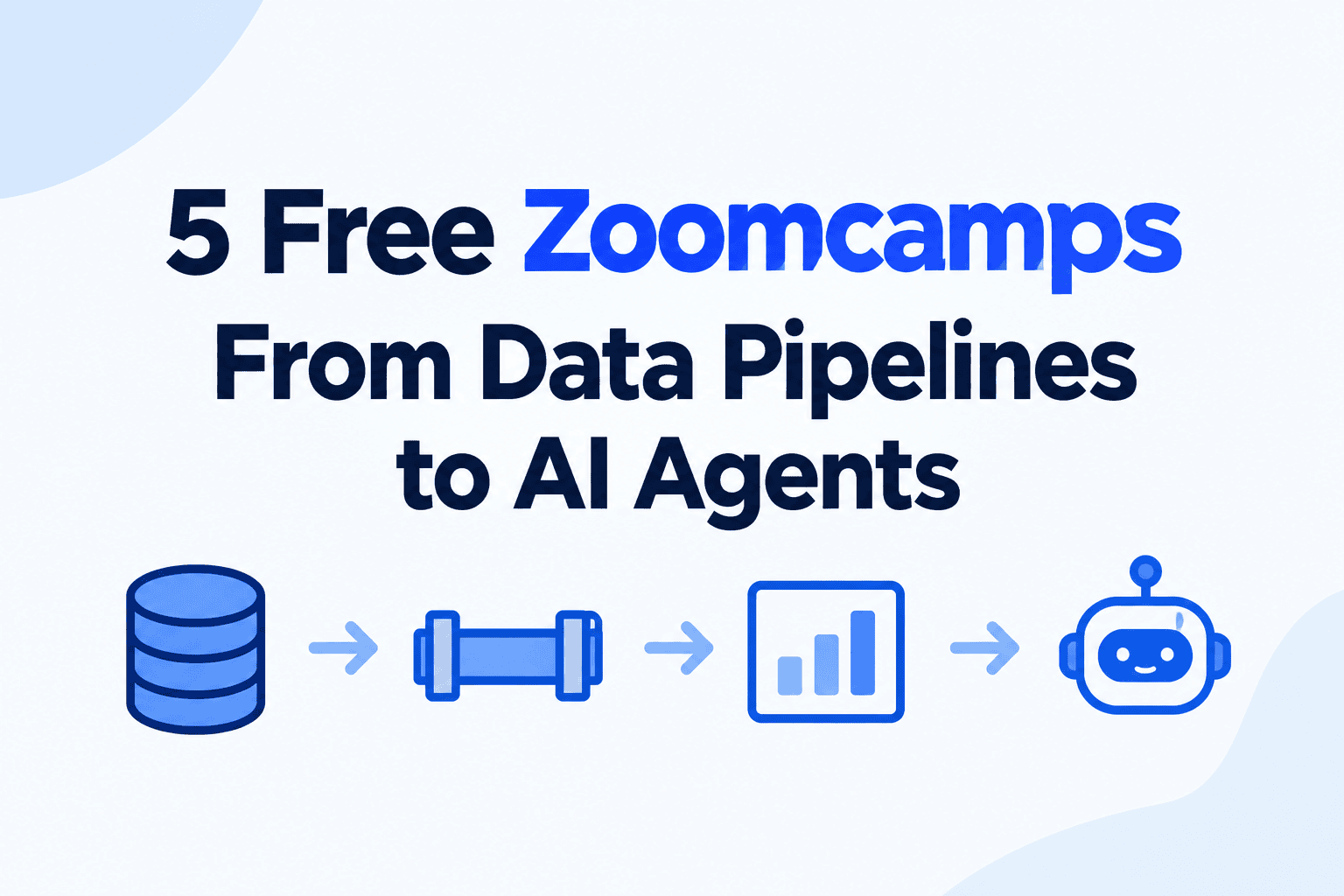
The proliferation of accessible AI education is a welcome trend, and Zoomcamp’s offering of five free workshops—spanning data pipelines to AI agents—is a particularly compelling example. The sheer breadth of topics covered—data engineering, machine learning, MLOps, Large Language Models (LLMs), AI agents, and AI development—demonstrates a recognition of the increasingly interconnected nature of modern AI workflows. It's no longer sufficient to simply understand a single component; building effective AI solutions demands a holistic view. This echoes the sentiments expressed in our previous piece, Demystifying MLOps, which highlighted the critical importance of operationalizing machine learning models and moving beyond isolated experimentation. Similarly, the focus on AI agents aligns with the growing interest in autonomous systems and their potential to transform various industries—a theme explored in The Rise of the AI Agent. Providing this level of practical, hands-on learning, especially without cost barriers, is a significant step towards democratizing AI expertise.
The structure of the workshops—practical lessons, homework, projects, and a community-based learning environment—is particularly noteworthy. Simply providing theoretical knowledge is rarely enough to foster genuine understanding and skill development. The inclusion of hands-on projects, coupled with a supportive community, encourages experimentation, problem-solving, and collaborative learning. This model directly addresses a common challenge in the AI education space: the gap between academic understanding and practical application. Many aspiring AI practitioners find themselves struggling to translate theoretical concepts into real-world solutions. The Zoomcamp format seems designed to bridge that gap, providing a structured pathway from foundational knowledge to practical proficiency. The emphasis on community is also key; peer-to-peer learning and support can be invaluable for overcoming challenges and accelerating progress. This resonates with the broader shift toward collaborative learning environments that are becoming increasingly prevalent across various industries.
The significance of this development extends beyond simply offering free education. It signifies a broader trend towards empowering individuals and organizations to build their own AI capabilities, rather than relying solely on pre-packaged solutions. While large language models and AI platforms are becoming increasingly powerful, the ability to customize and adapt these tools to specific needs remains crucial. These workshops equip individuals with the skills necessary to navigate the complexities of the AI landscape and contribute meaningfully to innovation. Furthermore, the inclusion of data engineering fundamentals is especially vital. Too often, AI initiatives falter due to poor data quality or inadequate data infrastructure. Addressing this foundational element upfront significantly increases the likelihood of success. It’s a recognition that building intelligent systems requires not just sophisticated algorithms, but also robust and reliable data pipelines.
Looking ahead, it will be interesting to observe the long-term impact of these free workshops on the AI talent pool. Will they lead to a significant increase in the number of skilled AI practitioners? Will they empower organizations to build more diverse and inclusive AI teams? Perhaps the most compelling question is: how will the rise of accessible, practical AI education like this reshape the traditional roles and responsibilities within data science and engineering teams? The lines are already blurring, and initiatives like Zoomcamp suggest that the future of AI development will be more collaborative, more democratized, and more focused on practical outcomes than ever before.
Read on the original site
Open the publisher's page for the full experience