5 Powerful Python Decorators to Build Clean AI Code
Our take
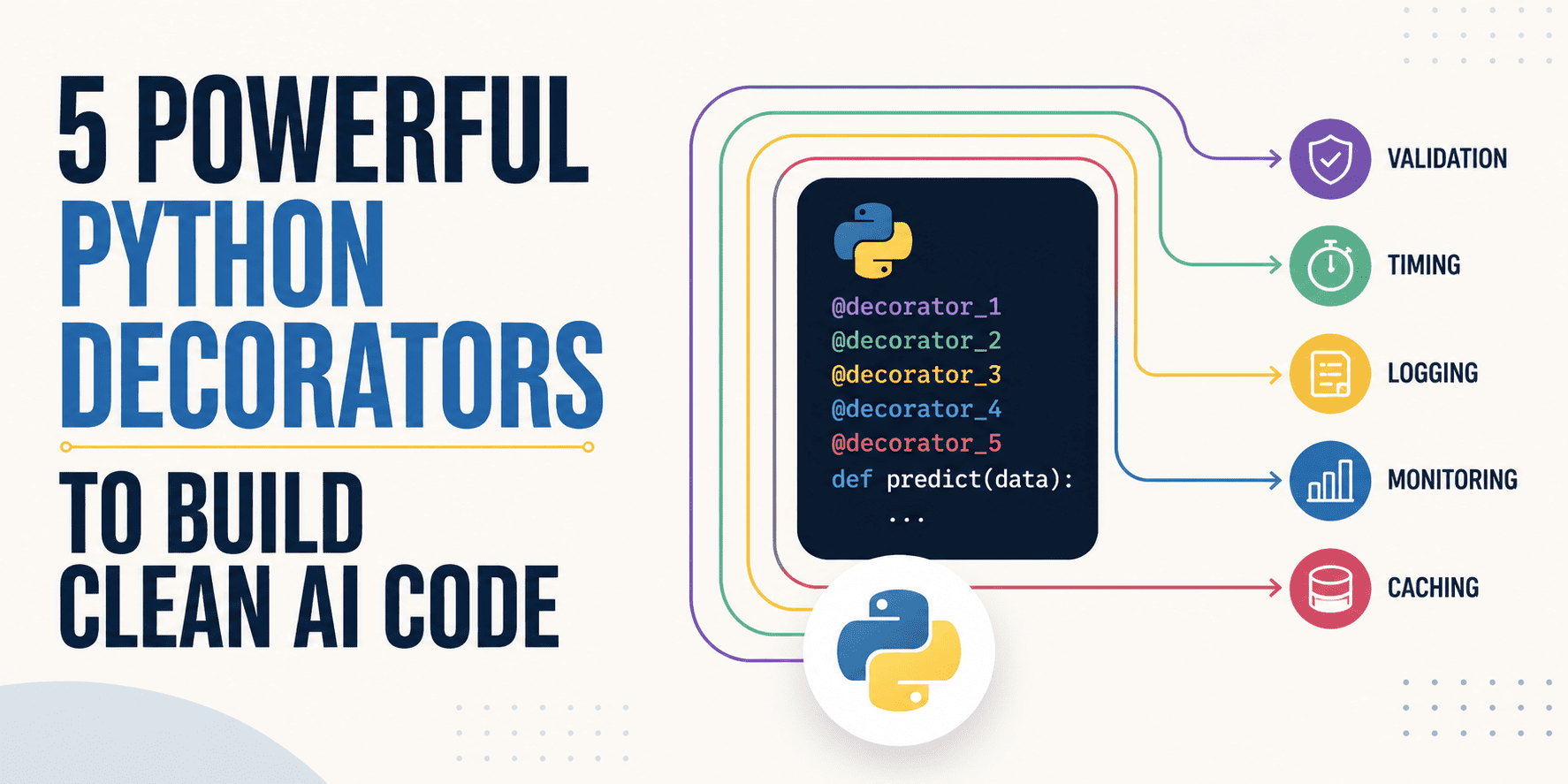
In the fast-evolving world of AI development, the ability to write clean, efficient code is paramount. Python decorators, as outlined in the article "5 Powerful Python Decorators to Build Clean AI Code," serve as a powerful tool for developers striving to enhance the readability and functionality of their code. By encapsulating behavior and reducing redundancy, these decorators not only streamline the coding process but also contribute to building robust AI applications. For those looking to delve deeper into practical applications of decorators, our piece on 5 Powerful Python Decorators for Robust AI Agents offers further insights into how these techniques can mitigate common coding headaches and enhance productivity.
The significance of using decorators in AI code cannot be overstated. They allow developers to apply cross-cutting concerns, such as logging, authentication, and performance measurement, without cluttering the core logic of the application. This separation of concerns is essential in AI development, where the complexity of algorithms can often lead to convoluted codebases. When developers utilize decorators effectively, they not only improve the maintainability of their projects but also empower their teams to work more collaboratively, as the standardized use of decorators can make it easier for others to understand and contribute to the code. As the article suggests, the practical knowledge of these decorators is rooted in real-world experience, making their adoption not just beneficial but necessary for those looking to enhance their coding practices.
Moreover, the five decorators mentioned in the article reflect a broader trend in software development: the push towards cleaner, more efficient coding practices. As AI applications grow more complex, the need for clarity and simplicity in code becomes increasingly critical. The trend is not only about writing code that works but also about creating code that can be easily read, modified, and extended. This shift is indicative of a maturity in the AI development community, where the focus is gradually moving towards sustainable coding practices that prioritize long-term project viability. The insights from this article align with our commitment to fostering a culture of innovation and efficiency within the tech community.
Looking ahead, the implications of adopting such practices extend beyond individual projects. As more developers embrace the use of decorators and other clean coding techniques, we may witness a significant transformation in how AI systems are built and maintained. This shift could lead to a new standard for code quality that prioritizes not just functionality but also readability and ease of use. It raises an important question for developers and organizations alike: How can we further cultivate this culture of clean coding in the face of rapid technological advancements? As we navigate this evolving landscape, the responsibility lies with each developer to contribute to a more efficient and sustainable coding environment.
In conclusion, the article on Python decorators is more than just a list of tools; it is a call to action for developers to embrace practices that will define the future of AI coding. By understanding and implementing these decorators, developers can not only enhance their own productivity but also contribute to a broader movement towards cleaner, more maintainable code in the AI realm. As we move forward, it will be fascinating to observe how these practices evolve and shape the landscape of AI development.
Read on the original site
Open the publisher's page for the full experience