5 Small Language Models for Agentic Tool Calling
Our take
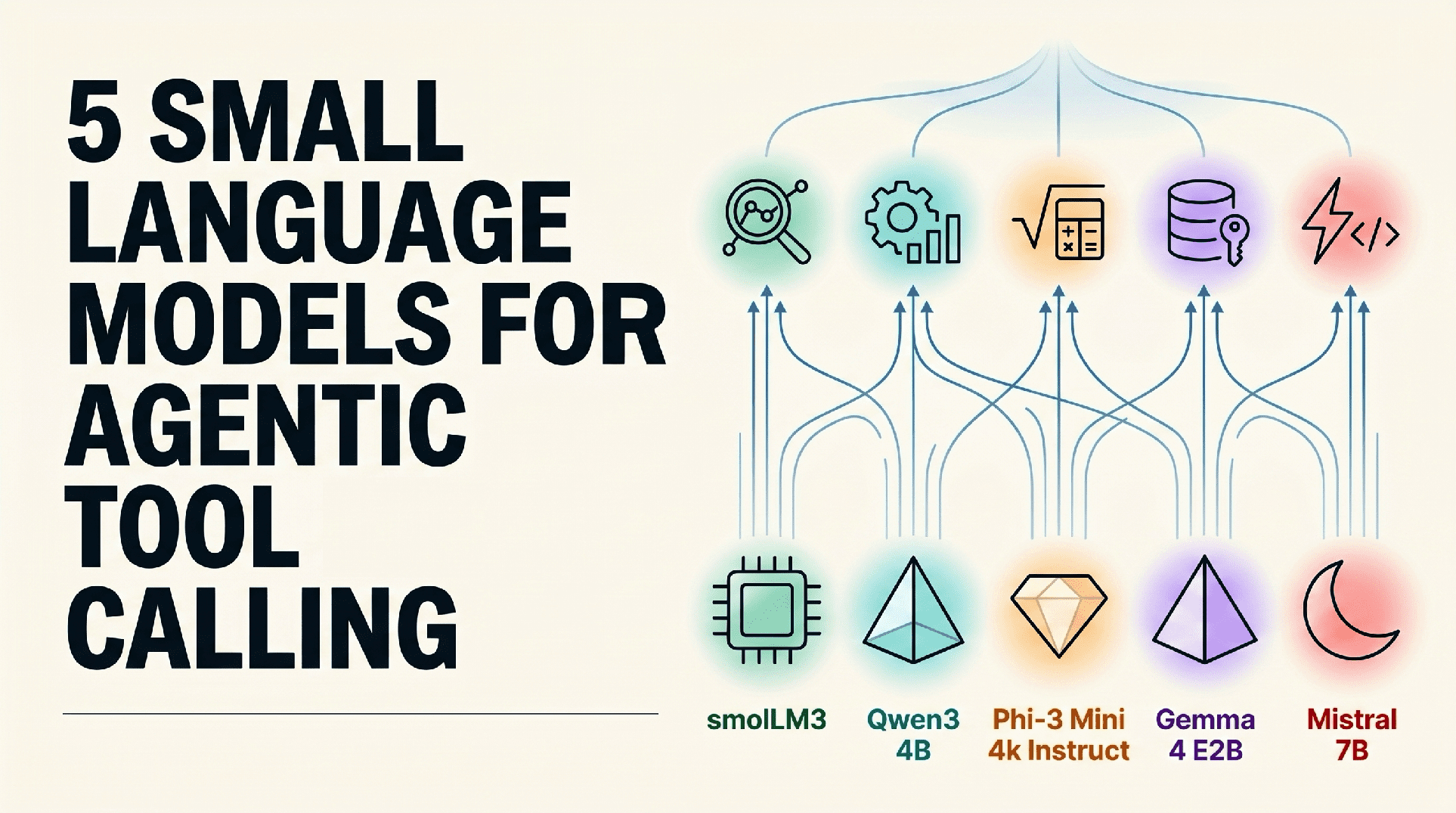
The emergence of smaller language models that support structured tool calling marks a significant shift in the landscape of AI technology. As highlighted in the article "5 Small Language Models for Agentic Tool Calling," these models are designed to be both compact and open-weight, making them more accessible for developers and businesses looking to integrate AI capabilities into their workflows. By focusing on structured tool calling, these models enable users to leverage their functionality in a way that feels intuitive and efficient, aligning perfectly with the ongoing trend towards more user-friendly AI solutions. This evolution is vital as it not only democratizes access to advanced AI features but also enhances productivity by simplifying complex interactions.
This development resonates with our previous discussions around the AI-native workflow, as explored in the article I Let CodeSpeak Take Over My Repository. The transition towards more compact models reflects a broader movement towards efficiency and practicality in AI applications. As organizations grapple with large-scale AI integrations, smaller models can serve as entry points, allowing teams to experiment and innovate without the burden of extensive resources. This flexibility is crucial as businesses aim to enhance their capabilities while managing costs and operational overheads.
Moreover, the significance of these small language models extends beyond mere functionality; they represent a shift in how businesses approach AI adoption. The ability to call tools in a structured manner means that users can expect more reliable and predictable outcomes, fostering a sense of confidence in AI-assisted decision-making. This is particularly relevant given the insights shared in The Next AI Bottleneck Isn’t the Model: It’s the Inference System. As organizations begin to realize that the effectiveness of AI is not solely dependent on the sophistication of the model itself, but also on how well these models can be integrated into existing systems, the role of smaller, structured models becomes even more critical.
As we consider the future of data management and AI, the introduction of these small language models signals a transformative opportunity for businesses looking to empower their teams. By adopting these tools, organizations can pave the way for a more innovative and efficient approach to problem-solving, allowing for greater agility in responding to market needs. The trend towards compact models also invites a re-examination of how we view AI capabilities; rather than relying on monolithic solutions, businesses can benefit from a more modular approach that emphasizes adaptability and user empowerment.
Looking ahead, it will be essential to monitor how these small language models evolve and the impact they will have across various sectors. As more organizations explore their potential, questions about scalability, interoperability, and user experience will become increasingly relevant. Will these models redefine the standards for AI integration, or will they merely serve as a stepping stone towards more sophisticated systems? The answers will undoubtedly shape the future of AI technology and its role in enhancing our daily work and decision-making processes.
Read on the original site
Open the publisher's page for the full experience