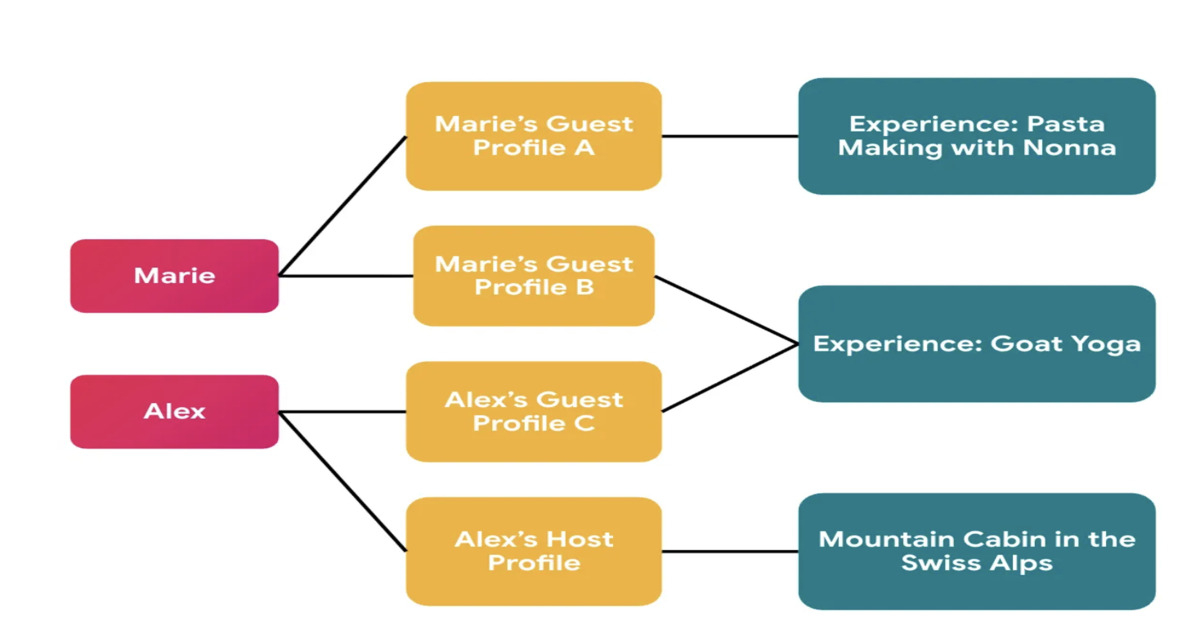
Airbnb's recent overhaul of its identity system to support privacy-first social features in Experiences marks a significant step forward in addressing privacy concerns in the digital landscape. By introducing context-specific profiles that segregate users’ global identities from externally visible profiles, Airbnb is not just enhancing user privacy; it is redefining how social interaction occurs in digital platforms. This development resonates with ongoing conversations around data privacy, particularly as consumers grow increasingly wary of how their information is utilized and shared. As data management evolves, tools that prioritize user privacy will likely become indispensable. This shift aligns with broader trends in technology, echoing themes discussed in articles like Exploring Patterns of Survival from the Titanic Dataset, which highlight the importance of data integrity and ethical usage.
By leveraging automated auditing, manual validation, and AI-assisted refactoring, Airbnb is not only enforcing correct identity usage across services but also setting a precedent for other platforms. This meticulous approach to identity management showcases how technology can be harnessed to protect user privacy while still fostering meaningful connections among users. The migration to this new model emphasizes the need for transparency and autonomy in online interactions, which is increasingly relevant in a world where data breaches and misuse are common. As the digital landscape evolves, ensuring that users have control over their identities is paramount, making Airbnb's initiative both timely and essential.
Moreover, this development signals a shift in user expectations. Consumers are no longer content with platforms that merely promise privacy; they seek tangible solutions that empower them to manage their identities effectively. Airbnb's new context-aware identity model positions the company as a leader in this movement, urging competitors to reevaluate their approaches to user privacy. As more companies recognize the importance of privacy-first solutions, we may witness a ripple effect that leads to widespread changes in how identity is managed across various digital services. This is reminiscent of discussions in How to Filter in Pivot Table, where data management practices directly influence user experience.
Looking ahead, the broader implications of Airbnb's initiative extend beyond user privacy. As platforms adopt similar strategies, we could see an evolution in collaborative features and social dynamics within digital environments. The emphasis on context-specific profiles may facilitate more tailored user experiences, enabling individuals to interact with content and communities that align with their interests without compromising their privacy. This approach could also open avenues for innovation, allowing developers to create more nuanced features that cater to diverse user needs.
As we reflect on Airbnb's advancements, it prompts an essential question: how will other platforms respond to this shift towards privacy-first solutions? The growing demand for transparency and user control presents an opportunity for innovation in user identity management. It will be fascinating to observe how this trend unfolds and whether it leads to a new standard in the digital landscape, where user privacy is not just an afterthought but a fundamental design principle.