Amazon, Meta join fight to end Google Pay, PhonePe dominance in India
Our take
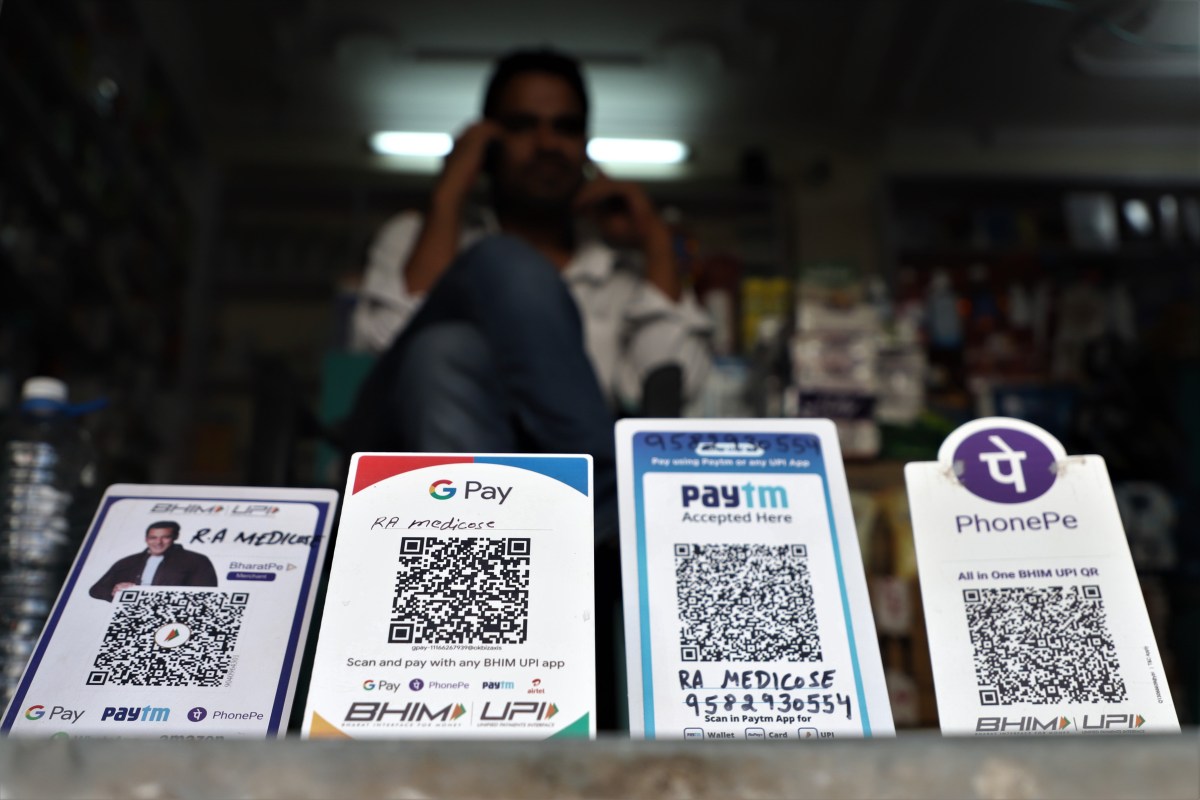
The recent announcement that Amazon and Meta are joining forces to challenge the dominance of Google Pay and PhonePe in India's UPI (Unified Payments Interface) instant payments network marks a significant moment in the evolution of digital payment systems in the region. Currently, Google Pay and PhonePe control an astounding 80% of this burgeoning market, raising concerns about competition and consumer choice. As rivals prepare to lobby regulators for restrictions, the implications of this power struggle extend far beyond financial transactions; they touch on innovation, user experience, and the future landscape of digital services in India. This scenario echoes broader themes we’ve explored, such as the complexities of technological integration in workplaces, highlighted in articles like Job has me doing a needlessly complicated task, where users seek simpler, more efficient solutions.
The dominance of Google Pay and PhonePe has raised flags among industry stakeholders who argue that such a concentration of power could stifle innovation and limit consumer options. With a large majority of the market under the control of these two players, new entrants may struggle to gain a foothold, ultimately leading to a stagnation of service offerings. This is particularly concerning in an era where digital payment solutions are expected to evolve rapidly, adapting to user needs and technological advancements. The push for regulatory intervention not only reflects a desire to create a more level playing field but also highlights a growing recognition of the importance of fostering competition in the tech space. As we've seen in our piece on Build AI Financial Models in Sourcetable, innovation thrives when multiple entities can contribute diverse perspectives and solutions.
From a user-centric viewpoint, this shift is promising. Increased competition can lead to better services, lower fees, and enhanced security features, ultimately benefiting consumers. With tech giants like Amazon and Meta entering the fray, we can anticipate a wave of innovative offerings that prioritize user experience. This could transform how consumers interact with digital payment platforms, making them more intuitive and user-friendly. Furthermore, it emphasizes the need for technology to be accessible, empowering users to navigate their financial transactions without feeling overwhelmed by complexity.
As the situation unfolds, it raises an essential question: how will consumers respond to these emerging alternatives? Will they embrace new players like Amazon and Meta, or will the familiarity and established trust of Google Pay and PhonePe continue to dominate? The battle for market share in India's digital payment landscape is not merely about transactions; it reflects a broader shift in how technology companies view user engagement and service delivery.
Looking ahead, it will be interesting to observe how regulatory bodies respond to these lobbying efforts and what measures they might implement to promote fair competition. The outcome of this struggle could significantly influence the trajectory of digital payments not only in India but also in other emerging markets grappling with similar concentrations of power. As we navigate this evolving landscape, the call for innovative, accessible, and user-centered solutions will only grow louder, shaping the future of digital finance in profound ways.
Read on the original site
Open the publisher's page for the full experience