Anonymizing Production Data for Data Science with Mimesis
Our take
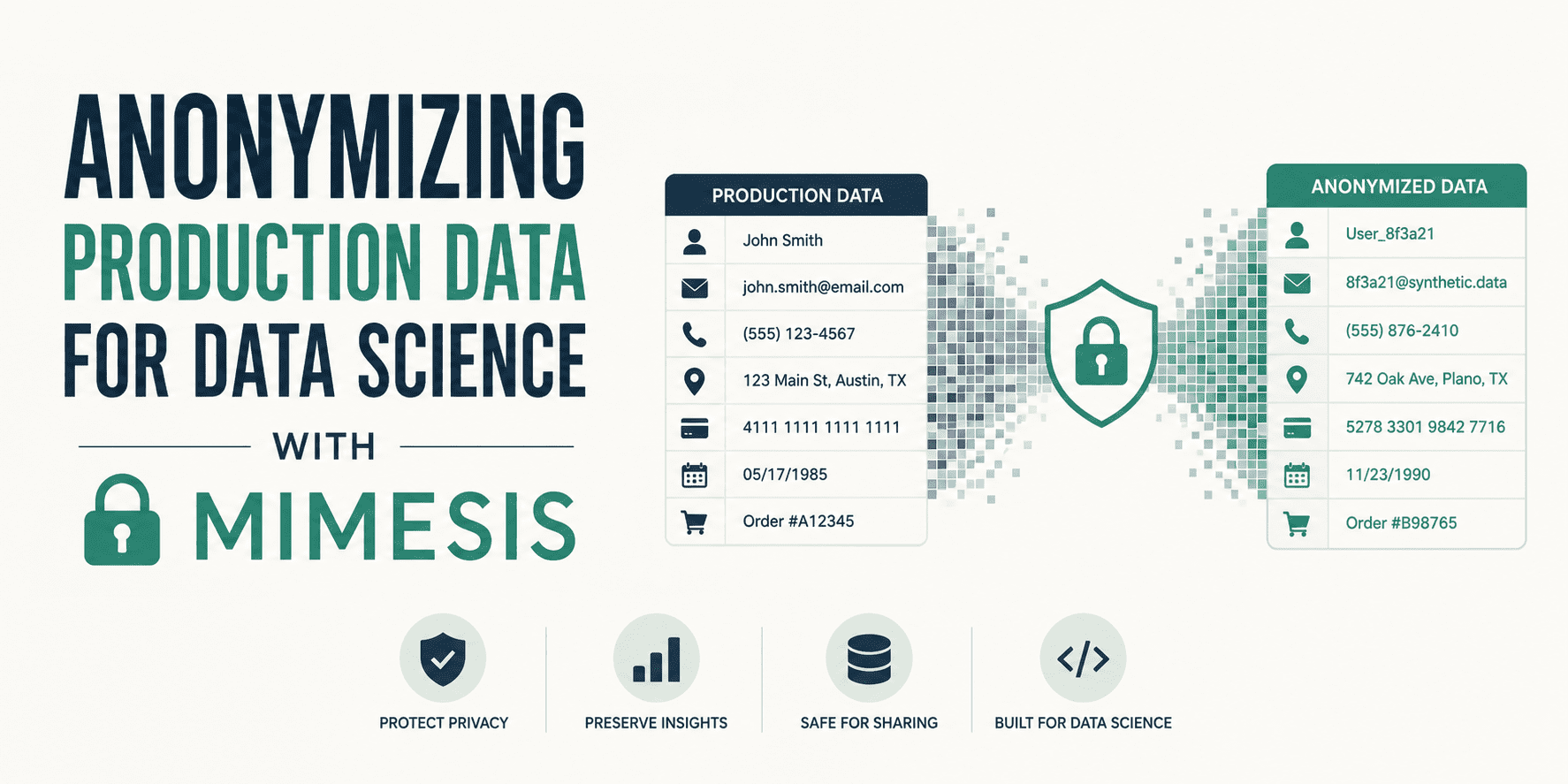
In an age where data privacy is more crucial than ever, the ability to anonymize sensitive production data has become a cornerstone of responsible data science. The article on utilizing Python's Mimesis library for anonymization provides a practical guide for organizations looking to safeguard their information while still harnessing its power for analysis. This aligns perfectly with the ongoing discourse around ethical AI practices and data management, as seen in related discussions like From Possible to Probable AI Models and How to Safely Run Coding Agents. As we venture deeper into the realm of data science, understanding how to securely handle data must become a priority for professionals at all levels.
The significance of Mimesis extends beyond mere technical capability; it represents a proactive approach to data privacy that acknowledges the responsibilities that come with data stewardship. In a world increasingly characterized by stringent regulations and public scrutiny, employing anonymization techniques allows organizations to mitigate risks associated with data breaches and compliance violations. By exploring how Mimesis can mask sensitive information while maintaining utility, data scientists can continue to innovate without compromising ethical standards. This balance between accessibility and security is essential, especially as companies navigate a complex landscape of data legislation.
Furthermore, the implementation of such tools is a reflection of the broader trend towards democratizing data science. Mimesis simplifies the anonymization process, making it accessible even for those who may not have extensive technical backgrounds. This is particularly relevant as organizations strive to empower diverse teams to engage with data effectively. By removing barriers and enabling users to anonymize data independently, we foster a culture of innovation and accountability. As we have discussed in our piece on Optimizing AI Agent Planning with Operations Research and Data Science, integrating user-friendly tools that prioritize ethical considerations is essential for sustainable growth in data science.
Looking forward, the implications of adopting anonymization practices such as those offered by Mimesis are vast. As organizations increasingly rely on data-driven decision-making, the ability to protect sensitive information while reaping the benefits of analytics will be paramount. With the rise of AI and machine learning, the need for clean, reliable data is more pressing than ever. The challenge will be to maintain a balance between innovation and privacy, ensuring that as we explore new horizons in data science, we do so with a commitment to responsible practices.
Ultimately, the path ahead will require ongoing dialogue about the ethical dimensions of data usage. As tools like Mimesis continue to evolve, how will organizations adapt their practices to incorporate these innovations responsibly? The future of data science hinges not only on technological advancements but also on a collective commitment to ethical stewardship. As we embrace these changes, we invite our readers to reflect on their data practices and consider how they can contribute to a more secure and innovative future in data management.
Read on the original site
Open the publisher's page for the full experience