Arcturus could halve the grid’s electrical losses using its nano-infused metals
Our take
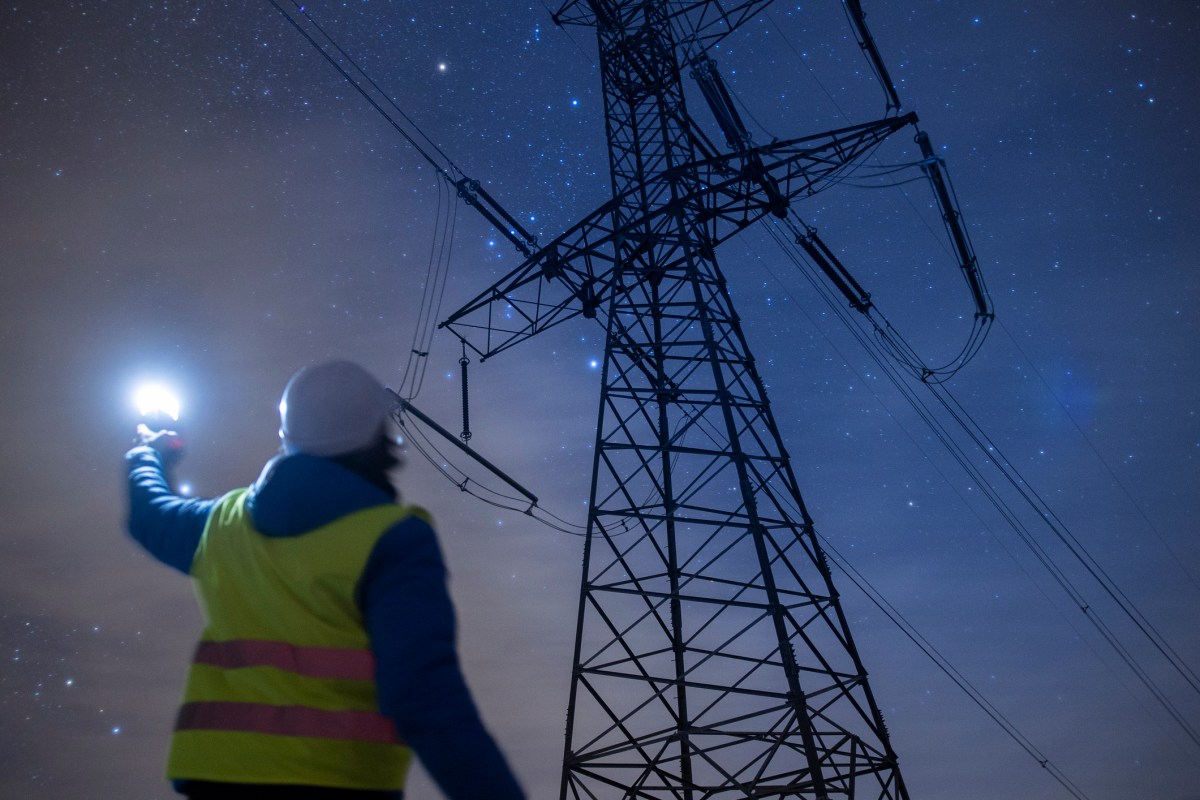
Arcturus's recent announcement regarding its nano-infused metals and their potential to halve electrical grid losses is a compelling development, particularly when considered alongside the broader wave of innovation we’re seeing in AI-adjacent hardware. The energy grid, a foundational element of modern society, suffers from significant inefficiencies; estimates place electrical losses at around 5-10% globally. Reducing this even marginally has a monumental impact on sustainability and cost savings. Arcturus’s approach, utilizing lasers to embed carbon nanomaterials into copper, offers a potentially scalable and relatively cost-effective solution compared to overhauling existing infrastructure. It’s interesting to note this development arrives amidst a surge of companies exploring novel hardware applications fueled by AI. We’ve recently seen Acti putting AI agents directly into your smartphone keyboard Acti puts AI agents directly into your smartphone keyboard, demonstrating the increasing integration of AI into everyday devices, and Pocket raising funds for its AI note-taking devices Pocket raises $11M in bet on rising demand for AI note-taking. This suggests a broader trend of leveraging AI not just for software enhancements, but for fundamentally improving the physical components that underpin our digital world.
The technical details surrounding Arcturus’s process are intriguing. The laser infusion method appears to allow for precise control over the nanomaterial distribution, which is crucial for maximizing conductivity without compromising the structural integrity of the copper. This stands in contrast to some earlier attempts at nanomaterial integration, which often struggled with scalability and consistency. What makes this particularly promising is the potential for retrofitting existing grid infrastructure. Rather than necessitating a complete replacement of copper wiring, Arcturus’s technology could be applied to existing lines, significantly reducing the upfront investment required for modernization. The implications for developing nations, where grid infrastructure is often outdated and inefficient, are particularly noteworthy. Imagine the possibilities if this technology could be deployed to improve energy access and reliability in underserved communities. This mirrors the broader ambition of many current startups: to find practical, scalable solutions to global challenges, often by creatively applying emerging technologies. The challenges faced by Proception, a robot hand company, in gathering training data highlights the complexities of applying AI to physical systems Robot hand company settles Tesla trade secret suit and announces $11M raise, reminding us that while the potential is immense, real-world implementation can be fraught with unexpected obstacles.
However, several factors warrant careful consideration. The scalability of Arcturus’s laser-based process remains to be fully demonstrated. While the initial results are promising, transitioning from a lab setting to mass production will undoubtedly present challenges. Furthermore, the long-term durability and performance of the nano-infused copper under real-world grid conditions need to be rigorously tested. Electrical grids are exposed to a wide range of environmental stressors, including temperature fluctuations, humidity, and corrosive agents. Ensuring that the nanomaterial integration doesn’t degrade over time is essential for the technology’s viability. The economic feasibility of the process also hinges on the cost of the lasers and the nanomaterials themselves. While Arcturus claims a cost-effective approach, a detailed analysis of the manufacturing costs will be crucial for determining its competitiveness against existing solutions, such as upgrading existing copper conductors or transitioning to alternative materials like aluminum.
Ultimately, Arcturus’s technology represents a compelling step forward in the quest for a more efficient and sustainable electrical grid. While challenges remain, the potential benefits – reduced energy waste, lower costs, and improved grid reliability – are significant. The convergence of AI and materials science, as exemplified by Arcturus’s work, is a trend worth watching closely. As AI continues to permeate various aspects of our lives, it's likely we’ll see more innovative applications emerge, pushing the boundaries of what’s possible in hardware and infrastructure. The key question now becomes: can Arcturus successfully scale its technology and navigate the regulatory hurdles necessary to bring this transformative solution to the market?
Read on the original site
Open the publisher's page for the full experience