Auditing Model Bias with Balanced Datasets with Mimesis
Our take
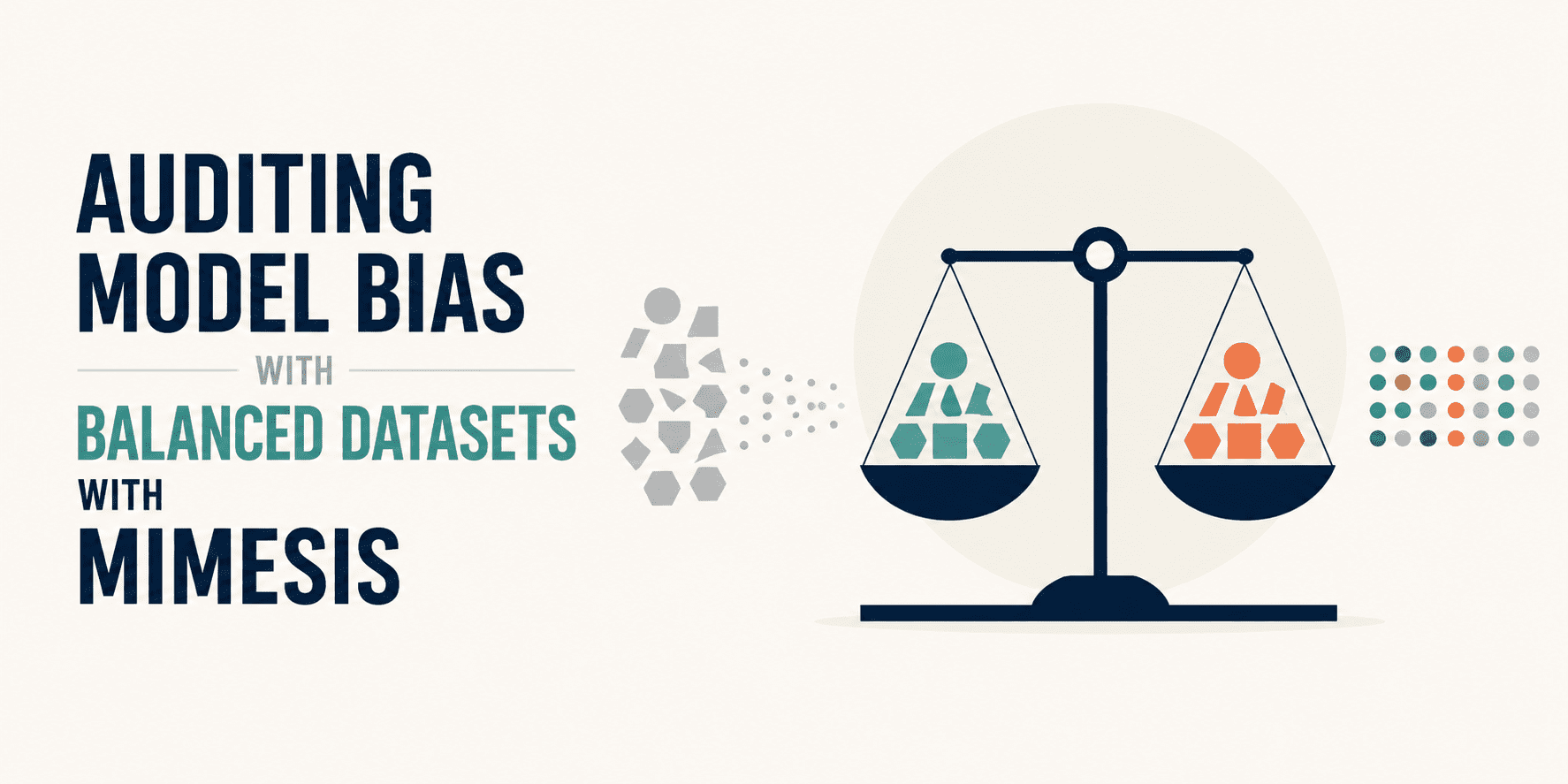
In an era where data ethics and model accountability are more critical than ever, the introduction of the Mimesis library for generating balanced, counterfactual datasets represents a significant advancement in the field of AI. As we explore the implications of this tool, it's essential to consider how it impacts our understanding of model bias and the broader landscape of data management. With the increasing scrutiny on algorithmic decision-making, tools like Mimesis empower data scientists and analysts to address potential biases proactively, ensuring that their models are not only effective but also equitable.
The ability to create balanced datasets is paramount in a world where skewed data can lead to misinformed decisions and perpetuate existing inequalities. By utilizing Mimesis, users can generate datasets that counteract inherent biases within their models, leading to a more nuanced understanding of how data influences outcomes. This approach aligns with the progressive vision we advocate for—one that recognizes the limitations of traditional methods and embraces innovative solutions to enhance productivity and fairness. As highlighted in our earlier articles, such as How do I convert a Train Timetable into an Excel Document? and Does Excel 2024 have the switch to change the color of the spreadsheet to true black?, the evolution of tools available to analysts is crucial for driving forward-thinking data practices.
As organizations increasingly rely on data-driven insights to guide their strategies, the importance of balanced datasets cannot be overstated. The Mimesis library provides a framework that not only aids in the identification of bias but also facilitates the creation of more representative datasets. This move towards balanced datasets is a critical step in ensuring that AI models reflect the diversity of the real world and do not inadvertently reinforce stereotypes or biases. It encourages a shift from merely reacting to bias when it occurs to proactively designing systems that prioritize fairness and inclusivity from the ground up.
Moreover, the significance of Mimesis extends beyond data generation; it catalyzes a broader conversation about responsibility in AI development. As users of this library begin to implement its capabilities, they are not just enhancing their modeling processes but also contributing to a culture of accountability within the tech industry. The recognition that data can shape societal outcomes necessitates a commitment to ethical practices, aligning with a human-centered approach that prioritizes user outcomes over mere technical specifications.
Looking forward, the question remains: how will the adoption of tools like Mimesis influence the future of data management and model development? As more organizations integrate these practices, we can expect to see a shift in how data is perceived—not just as a resource but as a powerful instrument that can foster fairness and equity. The journey toward more responsible AI is still in its early stages, and the collective efforts of data practitioners will play a pivotal role in shaping a future where technology serves all individuals equitably. As we explore these developments, we encourage our readers to consider how they can leverage innovative tools to contribute to a more just data landscape.
Read on the original site
Open the publisher's page for the full experience