Build an AI-Powered Learning Management System That Actually Trains People
Our take
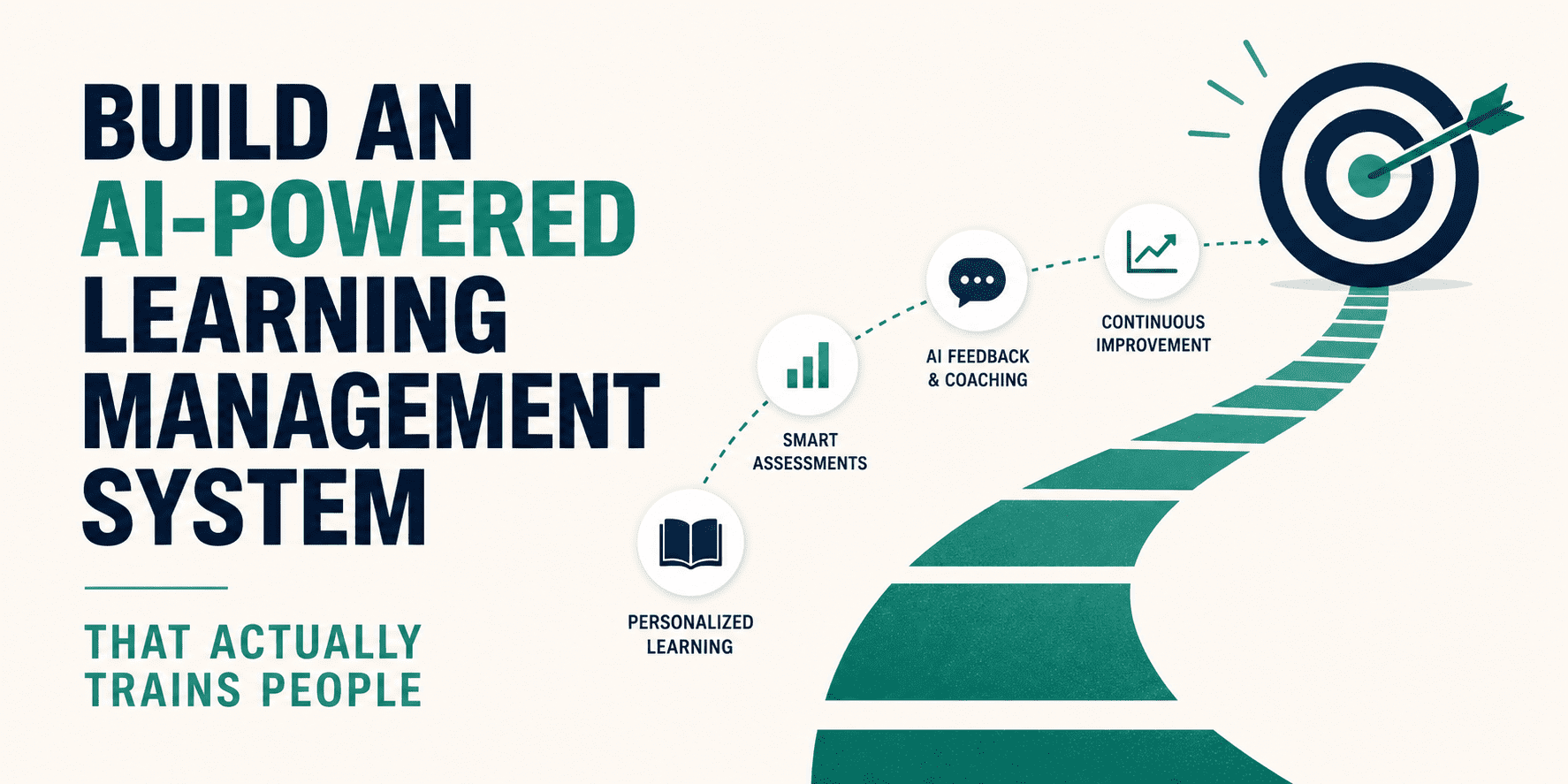
In today’s fast-paced digital landscape, the demand for effective training solutions is greater than ever. As organizations seek to enhance their workforce's skills, the need for an AI-powered Learning Management System (LMS) becomes increasingly relevant. The article "Build an AI-Powered Learning Management System That Actually Trains People" outlines a practical approach for developers—beginner and intermediate alike—to construct an LMS using Ollama, FastAPI, and React. This guide offers a valuable resource for those looking to leverage artificial intelligence to create a more dynamic and engaging training experience. In a world where traditional training methods often fall short, this new approach promises to bridge the gap between knowledge and application.
The significance of integrating AI into learning systems cannot be overstated. As highlighted in the recent Google adds Gemini-powered Dictation to Gboard, which could be bad news for dictation startups article, technology is evolving rapidly, and companies must adapt to stay competitive. By utilizing AI, organizations can create personalized learning experiences that cater to individual user needs, thus driving engagement and retention. The step-by-step methodology presented in the LMS article empowers developers to create systems that not only educate but also adapt to the unique learning styles of users, making training more effective.
Furthermore, the transformation of platforms like TikTok into transaction layers, as discussed in TikTok now wants to be the place you book the trip you just saw on TikTok, illustrates how the lines between content consumption and actionable learning are increasingly blurring. In this context, an AI-powered LMS serves as a crucial tool for organizations looking to foster a culture of continuous improvement and adaptability. By embracing such innovative solutions, companies position themselves not only to enhance employee capabilities but also to establish a more agile workforce that can respond to evolving market demands.
Building an AI-powered LMS from scratch may seem daunting, but the comprehensive guide provides a roadmap for developers to follow. The use of technologies like FastAPI and React ensures that the systems are not only robust but also user-friendly. This focus on accessibility is essential, as it encourages wider adoption among organizations that might otherwise shy away from complex technical solutions. By simplifying the development process, the article champions a future where organizations can quickly deploy training solutions that are both effective and learner-centric.
Looking ahead, the potential for AI in education and training is immense. As companies continue to explore innovative solutions, the question remains: how will organizations leverage these advancements to cultivate a more skilled and adaptable workforce? As we witness the integration of AI into various sectors, the implications for learning management systems could redefine how we approach training and development. The evolution of this technology will be a space worth watching as it fundamentally alters the landscape of employee education and productivity.
Read on the original site
Open the publisher's page for the full experience