The dating app landscape is poised for another significant shift as Bumble prepares to eliminate its signature swipe mechanism entirely. This move represents more than a simple interface change—it signals a fundamental reimagining of how people connect online. As Bumble's paying users are slipping as it bets on an overhaul later this year demonstrates, the company is making a calculated gamble that the swiping model has become stale and ineffective at fostering meaningful connections. The timing couldn't be more critical, as user engagement metrics suggest that traditional swipe-based matching often fails to translate into actual dates, leaving users frustrated with superficial interactions that rarely progress beyond the screen.
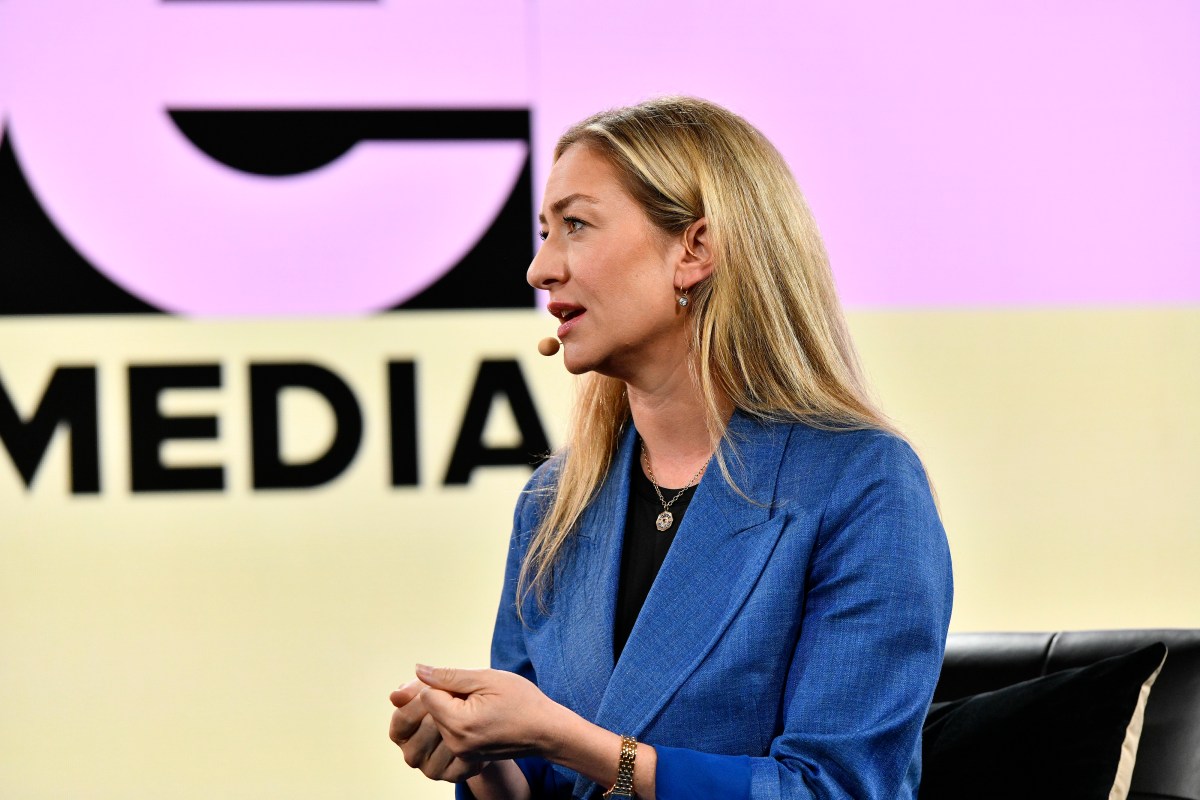
What makes this transition particularly noteworthy is Bumble's strategic pivot toward artificial intelligence integration. The company's development of Bee, an AI dating assistant, aligns with CEO Whitney Wolfe Herd's vision of using technology to enhance rather than replace human connection. This approach acknowledges a fundamental truth about modern dating: people are seeking more thoughtful, intentional ways to meet potential partners. By leveraging AI to facilitate better matches and streamline communication, Bumble is positioning itself as a platform that prioritizes quality over quantity—a departure from the endless scrolling mentality that has defined dating apps for over a decade.
The implications extend beyond Bumble's bottom line, representing a broader evolution in how we think about digital intimacy and relationship formation. Traditional swiping created a gamified experience that often reduced potential partners to mere photos and brief bios, fostering a culture of instant judgment and disposable connections. Removing this mechanic forces users to engage more deeply with profiles and personalities, potentially leading to more meaningful initial conversations. When combined with AI assistance that can help craft better opening messages or identify compatible matches based on deeper behavioral patterns, this shift could transform dating apps from time-wasting distractions into genuine relationship catalysts.
However, success will depend on Bumble's ability to strike the right balance between technological enhancement and authentic human connection. While Bumble's paying users are slipping as it bets on an overhaul later this year highlights the risks of major platform changes, the company's bet on AI-driven matching could ultimately prove prescient if it addresses the fundamental disconnect between online matching and offline chemistry. The question worth watching is whether users will embrace this more guided approach to dating, or if they'll resist what could be perceived as algorithmic interference in matters of the heart. The answer may determine whether AI becomes a genuine supercharger for love, as promised, or simply another layer of complexity in an already complicated digital landscape.