Cloudflare Builds High-Performance Infrastructure for Running LLMs
Our take
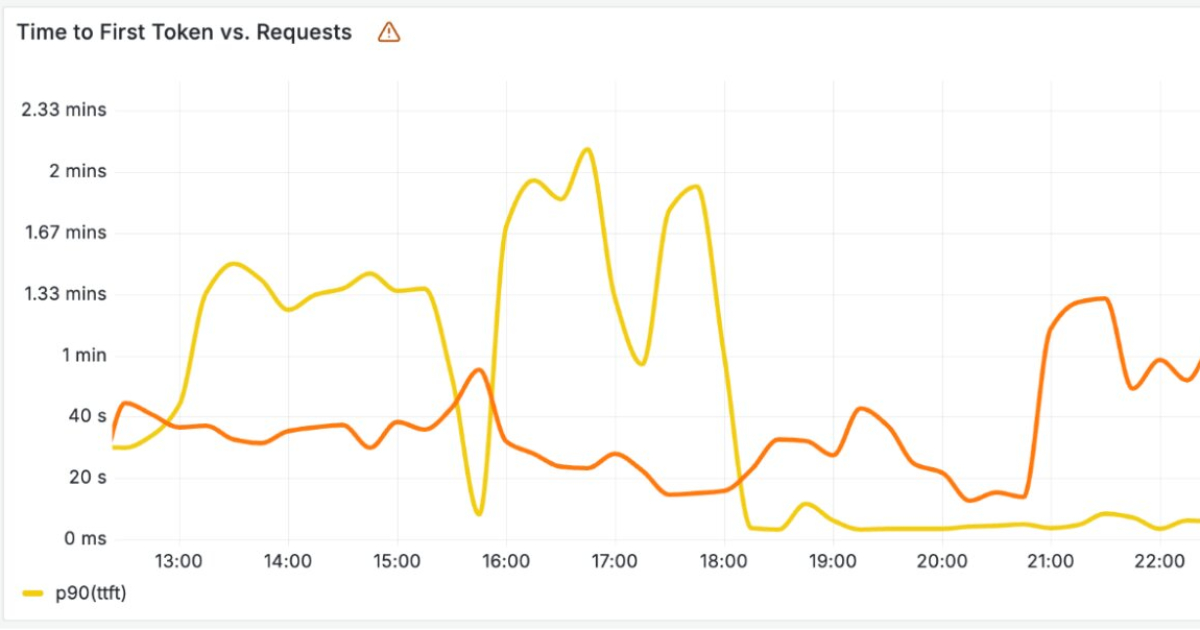
Cloudflare's announcement of specialized infrastructure for running large language models across its global network represents a significant step forward in addressing the practical challenges of AI deployment. By decoupling input processing from output generation into optimized systems, they tackle the core issues of costly hardware and massive text handling that often constrain organizations. This approach resonates deeply with professionals navigating complex data workflows, like those frustrated by inefficient systems described in Job has me doing a needlessly complicated task, where legacy tools create bottlenecks rather than enable productivity. Cloudflare's strategy isn't just about raw power; it's about engineering efficiency at scale, a critical consideration as demand for AI capabilities grows, similar to the evolving policies seen with Anthropic's stance on third-party agent usage Anthropic reinstates OpenClaw and third-party agent usage on Claude subscriptions — with a catch.
The technical elegance of this separation lies in its pragmatism. Running LLMs effectively requires balancing immense computational load with real-time responsiveness. Cloudflare’s approach allows them to dedicate specialized resources to each phase—ingesting and parsing user inputs versus generating coherent responses—optimizing for both cost and performance. This mirrors the kind of focused optimization seen in specialized AI models, like transformer-based chess systems trained for human-like play [Trained transformer-based chess models to play like humans (including thinking time) [P]](/post/trained-transformer-based-chess-models-to-play-like-humans-i-cmp4q98y704gjp2q5id9vkavq), where specific architectural decisions yield tangible results. For users, this translates to more reliable and faster AI interactions without the prohibitive expense of replicating monolithic, high-cost hardware everywhere. It democratizes access to high-performance AI by leveraging the inherent distributed nature of the cloud.
This infrastructure advancement underscores a broader shift towards practical, accessible AI solutions. Cloudflare isn't chasing vague revolutionary claims; they are engineering tangible improvements in how AI models are deployed and utilized, focusing on user outcomes like enhanced productivity and simplified workflows. By making high-performance LLM infrastructure more approachable and cost-effective, they empower organizations to move beyond theoretical potential and integrate powerful AI capabilities into their daily operations. This human-centered approach addresses the friction points that often stall AI adoption, transforming complex technology into a reliable tool for progress. As this model of optimized, distributed AI infrastructure evolves, the key question becomes: how will this reshape the competitive landscape and accelerate the integration of AI into essential business processes globally?
Cloudflare has recently announced new infrastructure designed to run large AI language models across its global network. As these models rely on costly hardware and must handle large volumes of incoming and outgoing text, Cloudflare separated the model's input processing and output generation onto different optimized systems.
By Renato LosioRead on the original site
Open the publisher's page for the full experience