Confluent Moves Schema IDs to Kafka Headers to Simplify Schema Governance
Our take
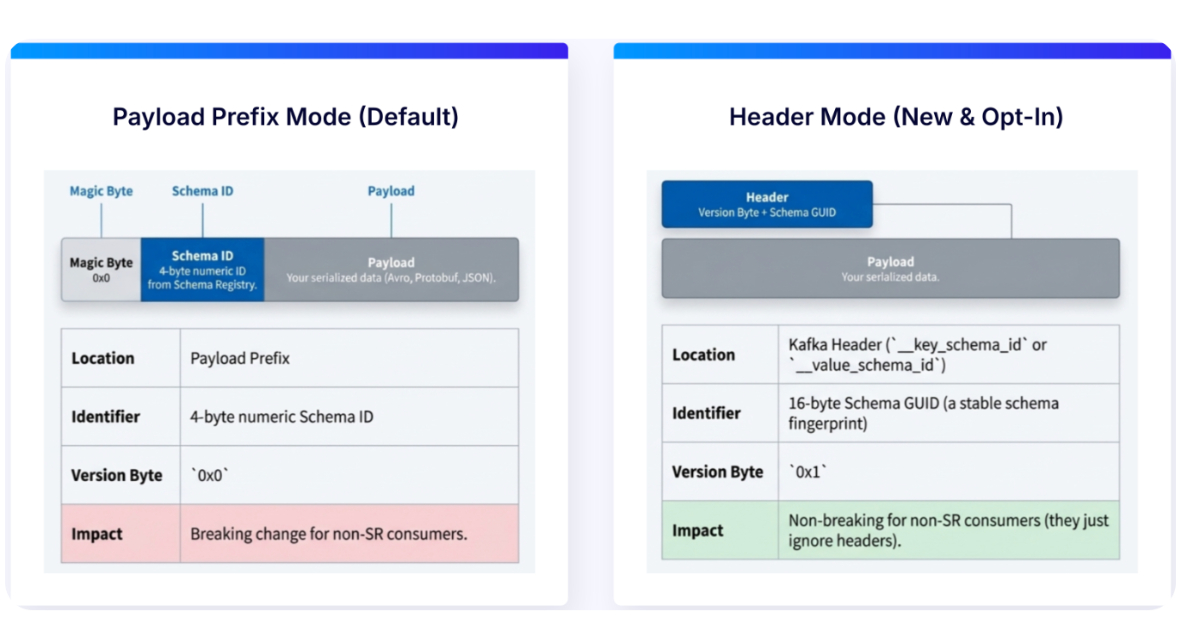
In a significant move that underscores the evolving landscape of data management, Confluent has announced a shift in how schema governance is handled within Apache Kafka. By relocating schema IDs from message payloads to record headers, this update not only simplifies schema governance but also enhances compatibility across serialization formats. This development is crucial for organizations that rely on event-driven architectures, as it reduces the coupling between data and metadata, allowing for more efficient data flows. As data ecosystems become increasingly complex, solutions like these are vital for maintaining agility and responsiveness in data operations. For those interested in the complexities of modern data management, this change echoes themes explored in related discussions such as the challenges of using SharePoint in streamlined workflows, as outlined in Job has me doing a needlessly complicated task.
The integration with Schema Registry further emphasizes Confluent’s commitment to enhancing the user experience. By providing a more organized and accessible framework for managing schemas, users can expect to spend significantly less time grappling with the intricacies of schema evolution. This is particularly relevant for organizations that have historically struggled with the complexities of schema management, often leading to inefficiencies and errors in data processing. The new approach aligns with a broader trend where accessibility and user empowerment are prioritized, steering clear of the barriers that legacy systems often impose. This shift is reminiscent of discussions in our article on building AI financial models in Build AI Financial Models in Sourcetable, where simplifying complex tasks through innovative tools can significantly boost productivity.
Confluent's update also presents an opportunity to reflect on the importance of progressive data governance strategies in an era defined by rapid technological advancement. As organizations increasingly adopt event-driven architectures, the need for seamless integration and governance becomes paramount. The move to header-based schema IDs not only streamlines the process but also prepares organizations for future scalability. This forward-thinking approach means that companies can evolve their data strategies without the fear of disrupting existing processes, fostering a culture of innovation rather than one of stagnation. For organizations still tethered to outdated practices, this update serves as a reminder that embracing change is not only beneficial but necessary.
Looking ahead, the implications of this shift extend far beyond Confluent and Apache Kafka. As other data management platforms observe the benefits of enhanced schema governance, we could see a ripple effect leading to similar changes across the industry. This raises an important question: How will organizations adapt their data strategies in response to these developments? As the landscape of data management continues to evolve, staying informed and agile will be crucial for businesses aiming to harness the full potential of their data. As we navigate this transformative era, the ability to simplify and innovate will define not just individual organizations, but the industry as a whole.
Confluent introduces a new approach in Apache Kafka that moves schema IDs from message payloads to record headers, aiming to simplify schema governance and evolution. The update integrates with Schema Registry, improves compatibility across serialization formats, and reduces coupling between data and metadata in event-driven architectures.
By Leela KumiliRead on the original site
Open the publisher's page for the full experience