Designing a Multi-Agent System for Engineering Support at Scale: A Case Study From Grab
Our take
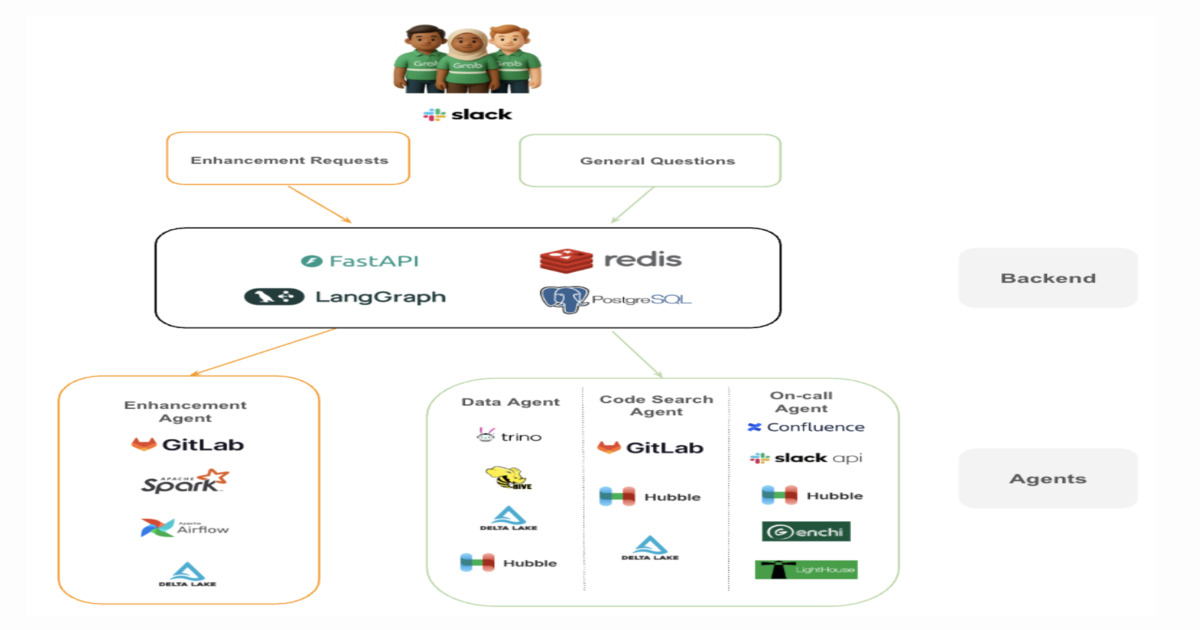
In a recent article by Leela Kumili, we gain insight into how Grab's Central Data Team has taken a significant step forward in the realm of engineering support through the implementation of a multi-agent AI system. By automating repetitive tasks within their data warehouse platform, Grab not only addresses operational inefficiencies but also redefines the role of engineering teams. This innovative approach separates investigation from enhancement workflows, allowing specialized agents to function within a coordinated orchestration layer. The implications of this development resonate throughout the tech landscape, suggesting a shift in how organizations can leverage AI to streamline operations and enhance productivity.
The significance of Grab's initiative cannot be overstated. In today's fast-paced digital environment, where data management is crucial, organizations often find themselves overwhelmed by the sheer volume of operational tasks. Traditional approaches frequently lead to engineers spending valuable time on firefighting rather than on strategic platform development. Grab's multi-agent system exemplifies a forward-thinking solution that reallocates engineering efforts towards more impactful work. This transition not only promises to improve resolution speed but also inspires a culture of innovation. As organizations consider their own workflows, they may find themselves questioning legacy practices and exploring new avenues for efficiency, much like the insights shared in articles such as 10 GitHub Repositories to Master Quant Trading, where the focus is on leveraging cutting-edge tools for tangible results.
Moreover, this development underscores a growing trend in the tech industry where automation and AI are becoming indispensable. As we’ve seen in other contexts, such as in discussions around SQL and its applications, the evolution of these technologies often leads to a reimagining of roles within organizations. The traditional boundaries of engineering and data management are blurring, and the ability to adapt to these changes is crucial for future success. By embracing systems that automate routine tasks, organizations can create environments where human intelligence and creativity can thrive. This perspective aligns with the themes explored in SQL Window Functions Beyond Basics: Solving Real Business Problems, which emphasizes the importance of practical applications in driving business value.
Looking ahead, the question remains: how will organizations across various sectors adopt similar models to enhance their operational frameworks? As competitors begin to implement their own multi-agent systems, we may witness a broader shift toward AI-driven efficiencies that transcend traditional boundaries. The ability to not only automate but also intelligently orchestrate tasks could redefine productivity standards within the tech landscape. As we continue to observe these developments, it will be vital to consider how organizations can maintain a human-centered approach while embracing technological advancements. The journey towards a more efficient and innovative future is just beginning, and those who are willing to explore and transform their strategies will likely find themselves at the forefront of this evolution.
Grab’s Central Data Team built a multi-agent AI system to automate repetitive engineering support tasks across its data warehouse platform. The system separates investigation and enhancement workflows using specialized agents coordinated via an orchestration layer. It reduces operational load, improves resolution speed, and shifts engineering effort from firefighting to platform engineering work.
By Leela KumiliRead on the original site
Open the publisher's page for the full experience