Forget ‘TechnoKing’: Elon Musk will really be king at SpaceX
Our take
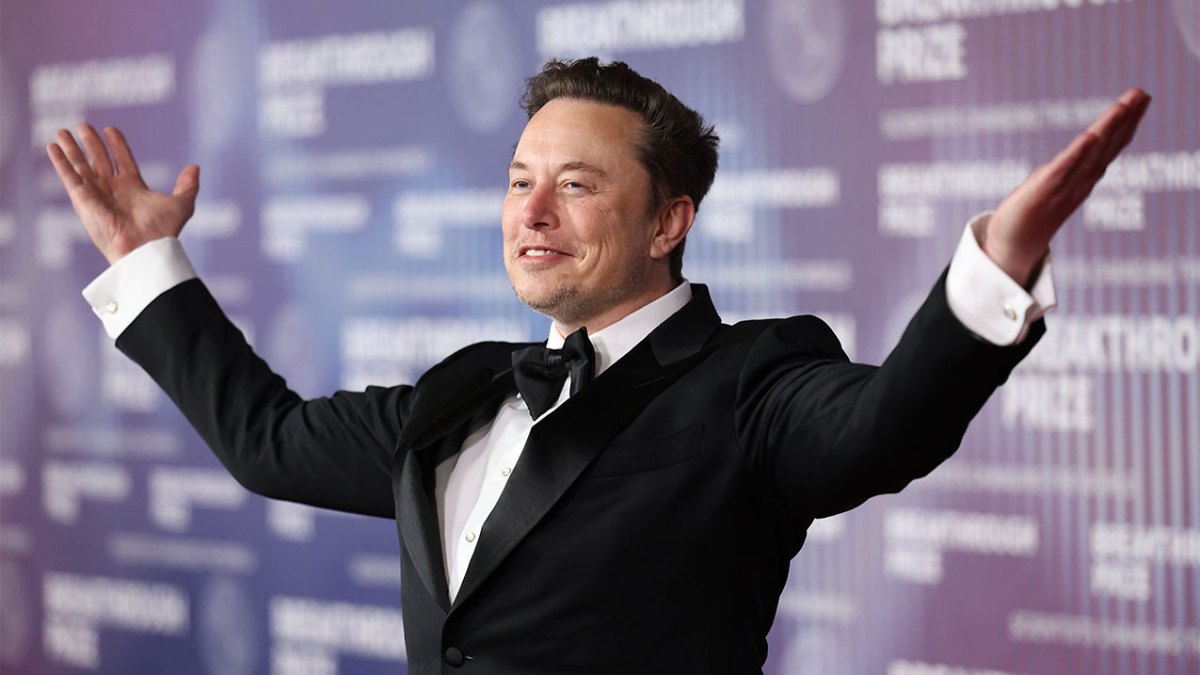
Elon Musk's impending control over SpaceX in its transition to a publicly traded entity marks a pivotal shift in the dynamics of corporate governance within the tech industry. With more than 50% of the voting power, Musk is poised to exert a level of influence that far surpasses the standard power held by tech founders in public companies. This scenario invites serious scrutiny, especially when we consider the implications for stakeholders and the broader market. As noted in our related article, Who will benefit most from SpaceX IPO? Mostly Elon — and a few from his inner circle, Musk's substantial stake in SpaceX positions him uniquely, suggesting that the IPO may serve primarily his interests and those of a select few, rather than a diverse shareholder base.
This concentration of power could redefine how corporate governance is perceived in high-stakes industries like aerospace and technology. Unlike traditional models that prioritize shareholder democracy, Musk's control could lead to a monarchical structure that prioritizes his vision and strategies without the checks and balances typically associated with public companies. Such a framework raises concerns about accountability and transparency, especially in a sector that is already rife with complexities. As we have seen with companies like OpenAI, which is also navigating the IPO landscape, the debate over leadership structure and influence is becoming increasingly relevant. The article, OpenAI barrels toward IPO that may happen in September, further illustrates how these dynamics play out in tech firms, as they grapple with the balance between innovation and investor interests.
Moreover, Musk's unique position could set a dangerous precedent for future tech companies. Control concentrated in the hands of a single individual can stifle diversity in decision-making and innovation. This situation is particularly critical in industries with far-reaching implications for society, such as space exploration and technology. Musk's vision for SpaceX involves ambitious plans for colonizing Mars and advancing satellite technology, but the question remains: who will ultimately steer these initiatives? The potential for unilateral decision-making could lead to a misalignment between the company's strategic goals and the expectations of its investors, raising the stakes for all involved.
The broader significance of Musk's grip on SpaceX extends beyond corporate governance; it touches on critical themes of innovation, accountability, and the ethical responsibilities of tech leaders. As we move forward, it will be essential to observe how this dynamic unfolds and its impact on the industry landscape. The concentration of power in a single individual may yield rapid advancements in technology, but it also necessitates a discussion about the implications for governance and public trust. As we watch this space, one question looms large: will Musk's leadership style and vision for SpaceX serve as a model for future tech enterprises, or will it serve as a cautionary tale of the risks associated with monolithic control in an increasingly complex and interconnected world?
Read on the original site
Open the publisher's page for the full experience