Fox to acquire Roku in $22B deal
Our take
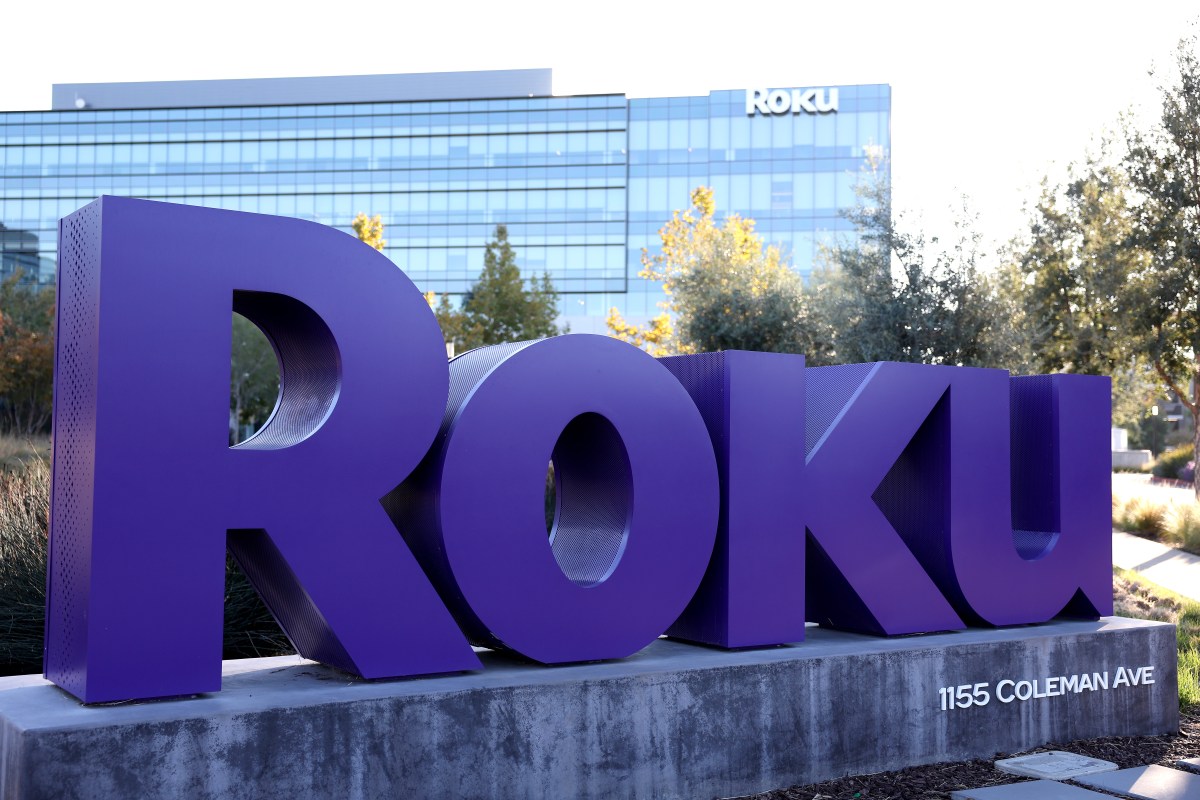
The proposed acquisition of Roku by Fox for $22 billion signals a significant realignment within the media and streaming landscape, one that deserves close scrutiny from anyone working with data-driven content strategies. While the immediate impact is the creation of the third-largest television company in the United States, the underlying forces at play are far more profound. This isn’t simply a merger of two entities; it’s a strategic maneuver to navigate the shifting sands of audience consumption, advertising revenue, and the ongoing battle for control of the living room. For our users, those building models and analyzing trends within the entertainment sector, this deal highlights the accelerating need to understand the interplay between traditional media assets and the rapidly evolving world of streaming platforms. Consider the recent analysis on the challenges of ad-supported streaming Streaming Ad Revenue Growth Slows and how this acquisition might attempt to address those pressures. Similarly, understanding the complexities of bundling and subscription fatigue is critical, as demonstrated in this report on The Future of Bundling.
The rationale behind Fox’s move is multi-faceted. Roku’s dominance as a streaming platform aggregator, providing access to countless channels and services through its devices and operating system, offers Fox a powerful distribution channel, particularly crucial as linear television viewership continues its decline. Integrating Fox’s valuable content library – including sports rights, news, and entertainment programming – directly into Roku's ecosystem presents a compelling value proposition for both consumers and advertisers. Furthermore, this acquisition could be viewed as a response to the increasing consolidation of power among other media giants, like Disney and Warner Bros. Discovery. By combining forces, Fox and Roku aim to create a stronger entity capable of competing effectively in a market increasingly defined by scale and reach. The potential for bundling Fox’s premium content with Roku’s ad-supported offerings is especially intriguing, offering a pathway to enhanced revenue streams and a more diverse subscriber base. It's a proactive step toward controlling distribution, rather than relying solely on third-party platforms who dictate terms and take a significant portion of advertising revenue.
However, the deal also presents significant challenges. Successfully integrating two distinct corporate cultures, technologies, and business models will be a complex undertaking. Roku’s open operating system, which allows for competition among streaming services, could clash with Fox’s desire to promote its own content and services. Regulatory scrutiny is also a major hurdle. Given the size and scope of the proposed merger, it's almost certain to face intense examination from antitrust regulators concerned about potential market dominance. Antitrust concerns are becoming increasingly prominent across the tech landscape, as evidenced by recent actions against other major players; navigating this regulatory environment will be paramount to the deal's success. The $22 billion price tag is also substantial, and Fox will need to demonstrate a clear return on investment to justify the expenditure, especially in a climate of economic uncertainty. The effectiveness of their combined advertising sales force, and ability to leverage Roku’s data insights for targeted advertising, will be a key performance indicator.
Looking ahead, the outcome of this acquisition hinges on Fox and Roku’s ability to effectively leverage their combined assets to deliver a compelling value proposition to both consumers and advertisers. Will they be able to successfully integrate their technologies and business models while maintaining Roku’s open platform? More importantly, can they navigate the increasingly complex regulatory landscape and demonstrate a clear path to profitability in a rapidly evolving market? The success of this deal could pave the way for a new era of integrated media and streaming, while failure could serve as a cautionary tale about the challenges of navigating the future of entertainment. The next few months will be critical in observing how Fox and Roku address these challenges and what strategies they employ to solidify their position in the industry.
Read on the original site
Open the publisher's page for the full experience