Get ready for the whisper-filled office of the future
Our take
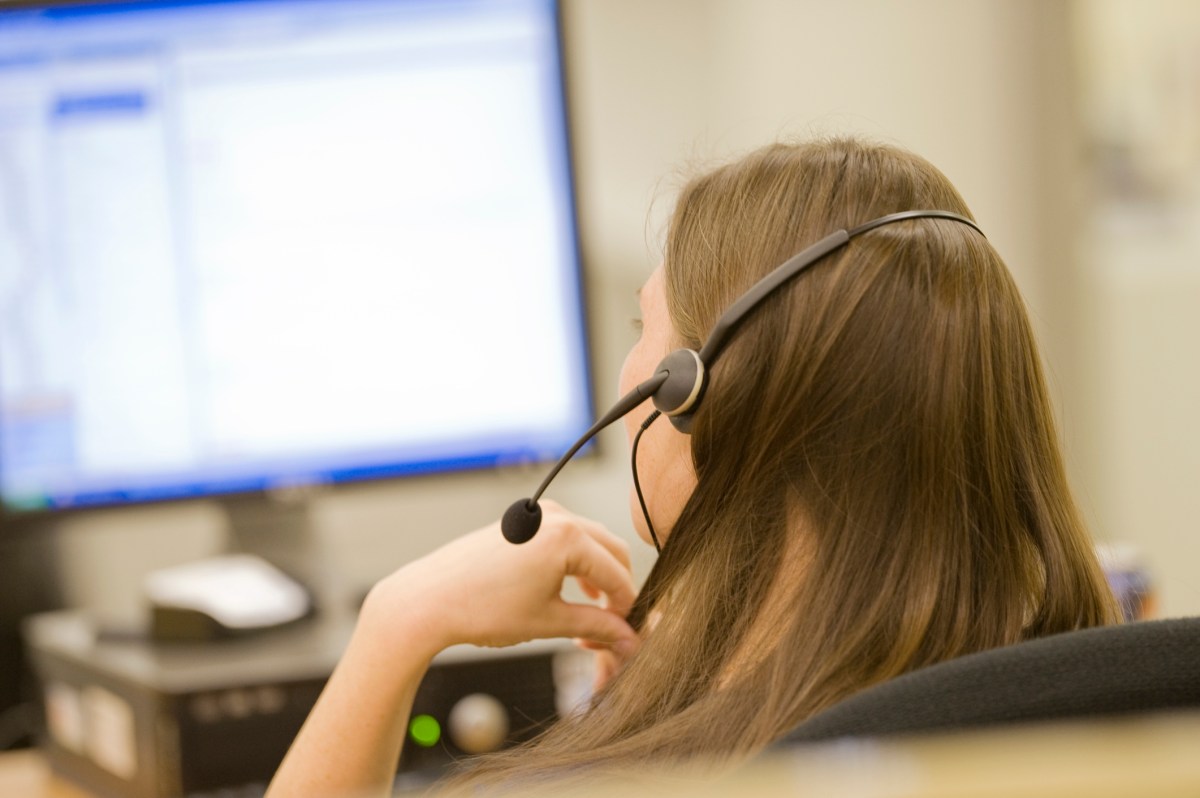
The office of the future is becoming quieter, but not in the way we might expect. As voice interfaces and AI assistants become integrated into our daily work routines, the traditional keyboard clatter and mouse clicks that defined the modern workplace are giving way to a new soundscape—one filled with whispered commands, spoken queries, and conversational exchanges with our computers. This shift represents more than a change in input methods; it signals a fundamental transformation in how we interact with data and accomplish professional tasks. The question is not whether voice-driven workflows will become mainstream, but how quickly they will reshape our expectations around productivity and what that means for the tools we rely on.
For professionals already navigating data-heavy workflows, this transition raises practical concerns that deserve serious attention. Consider the worker managing complex datasets who must now decide whether to type a complex formula or simply ask their system to generate it—a choice that seems convenient until that worker sits in an open-plan office surrounded by colleagues. The tension between efficiency and workplace etiquette becomes real, as does the need for solutions that accommodate both private reflection and collaborative environments. Those working with sensitive information face additional considerations about voice commands in shared spaces, making thoughtful implementation rather than wholesale adoption the more pragmatic path forward.
The articles in our community reflect this nuanced reality. From discussions about How to find missing data to questions about Unable to Remove Floating Copilot Button, it's clear that users are grappling with the practical integration of AI assistance into existing workflows. These aren't hypothetical concerns—they represent the friction points that will determine whether voice-driven interfaces succeed or become another promising technology that stalls in adoption. The answers won't come from vendors alone but from communities of users discovering what actually works in practice.
What makes this shift particularly significant is how it intersects with broader changes in how we conceptualize productivity itself. When we speak to our computers rather than click through menus, the nature of work becomes more fluid and potentially more accessible. Workers who struggle with traditional interface conventions—whether due to physical limitations, learning differences, or simply unfamiliarity with complex software—may find voice interaction lowers barriers to powerful functionality. Yet this democratization only works if the underlying systems are designed with genuine understanding of diverse user needs, not just the assumption that everyone will naturally adapt to speaking their tasks aloud.
The whisper-filled office is coming, but its form remains undetermined. Will it be a place of enhanced accessibility and streamlined workflows, or one marked by constant audio interference and new forms of digital fatigue? The answer depends on how thoughtfully we design these interfaces and how deliberately we as users and organizations establish norms around their use. What is certain is that the spreadsheet of tomorrow—and the broader productivity ecosystem—will need to accommodate voices as naturally as it currently accommodates keystrokes. The question worth watching is not whether we will speak to our computers, but whether we will do so in ways that genuinely serve our work and our wellbeing.
Read on the original site
Open the publisher's page for the full experience