GitHub Increased Instant Navigation from 4% to 22% by Rethinking Client Side Architecture
Our take
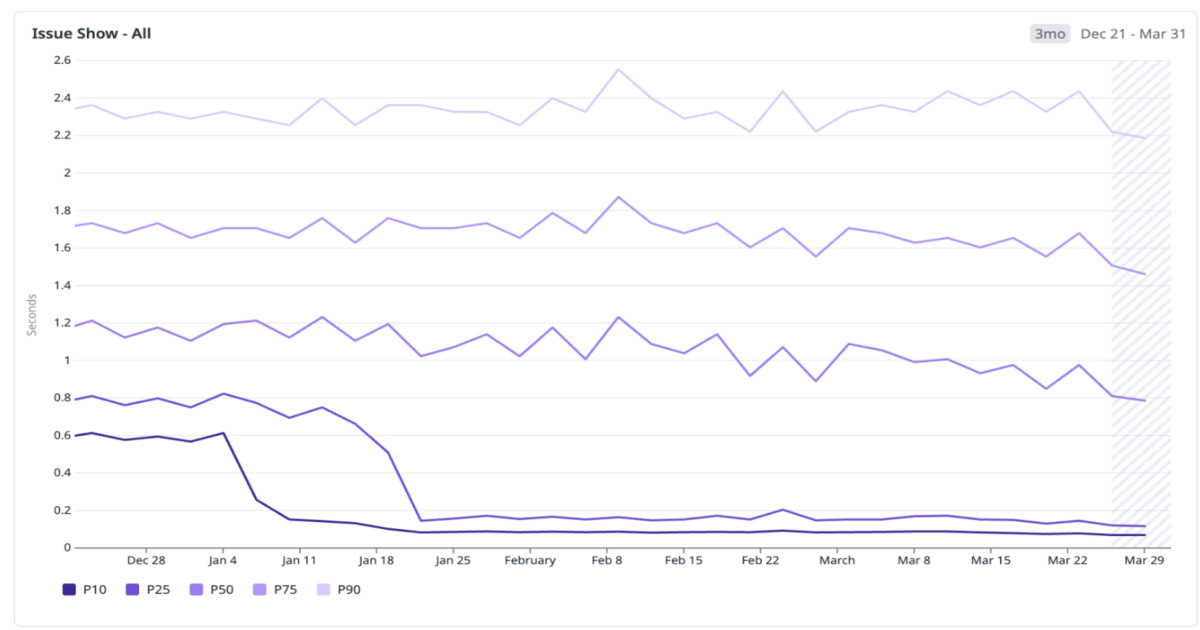
The recent announcement from GitHub detailing a significant overhaul of their Issues navigation—boosting instant navigation from 4% to 22%—isn't just a win for developers using the platform; it's a compelling case study in the power of client-side architecture for improving user experience in complex web applications. This transformation, achieved through a combination of caching strategies, predictive prefetching, and service workers, highlights a growing trend towards pushing more processing and data management responsibilities to the client. The implications extend far beyond GitHub, offering valuable lessons for anyone building data-intensive applications, especially those dealing with substantial datasets and real-time updates. As we’ve explored previously in The Rise of Edge Computing and discussed in relation to similar performance gains in financial trading platforms Optimizing Trading Platforms with Client-Side Logic, the shift towards client-side optimization is becoming increasingly crucial in a world demanding instant responsiveness.
GitHub's approach, leveraging IndexedDB, in-memory caching, and background synchronization, demonstrates a pragmatic and layered strategy. Instead of relying solely on server-side optimization, they’ve intelligently distributed the workload, anticipating user needs and serving data proactively. The use of IndexedDB, a powerful browser-based database, allows for persistent storage of data even when offline, further enhancing the perceived speed and reliability. This isn't a novel concept – the principles of progressive web apps (PWAs) have been around for some time – but GitHub's successful implementation at this scale underscores the real-world impact of these technologies. It's a potent reminder that improving perceived latency goes beyond simply shaving milliseconds off server response times; it's about designing systems that feel instantly responsive, regardless of network conditions or server load. This is particularly important given the increasing reliance on mobile devices and the prevalence of users working in areas with unreliable internet connectivity.
The significance of GitHub’s work also lies in its impact on the broader development landscape. Traditionally, spreadsheet-like data management has leaned heavily on server-side processing, often creating bottlenecks and frustrating users with delays. This shift towards a more distributed model opens up new possibilities for AI-native spreadsheet technologies. By empowering the client to handle more of the data manipulation and presentation, we can unlock a new level of responsiveness and interactivity. Imagine a spreadsheet application where complex calculations and data visualizations happen instantly, regardless of the size of the dataset—a future where the limitations of traditional server-bound models are a distant memory. The principles GitHub employed could be readily adapted for other data-heavy applications, from project management tools to collaborative document editing platforms, effectively transforming how users interact with data. Furthermore, the detailed technical explanation accompanying the announcement—effectively sharing their architectural blueprint—is a powerful example of fostering open innovation within the developer community.
Looking ahead, the question becomes: how far can we push this client-side architecture paradigm? As browsers continue to evolve and offer more powerful APIs, we can anticipate even more sophisticated client-side data management techniques. Will we see a future where the distinction between client and server blurs, with the client acting as a fully autonomous data processing and presentation engine? The increased computational power of modern devices, coupled with advancements in machine learning on the edge, suggests that this future is closer than many realize. It's worth watching how other large platforms respond to GitHub’s lead, and whether we see a widespread adoption of similar client-side optimization strategies across the web. The Future of Web Architecture remains a compelling area of exploration as we strive for faster, more responsive, and more accessible digital experiences.
GitHub redesigned GitHub Issues navigation using a client-side architecture that combines caching, predictive prefetching, and service workers to reduce perceived latency. The approach uses IndexedDB, in-memory caching, and background synchronization to serve data faster. GitHub reported instant navigation improvements from 4% to 22%, with latency reductions across multiple navigation
By Leela KumiliRead on the original site
Open the publisher's page for the full experience