How AI Agents Will Transform Data Science Work in 2026
Our take
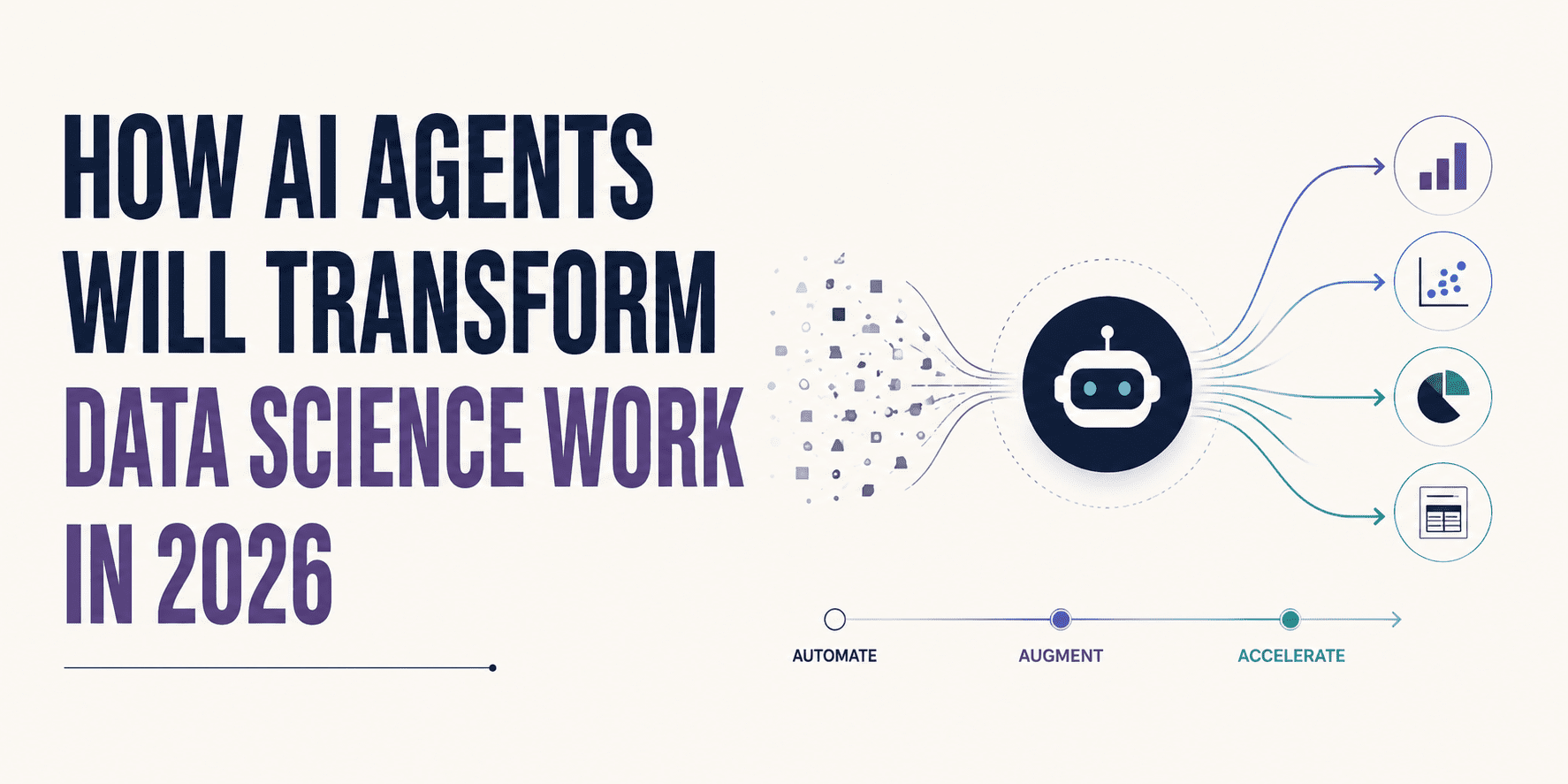
In the evolving landscape of data science, the anticipation surrounding AI agents and their potential impact by 2026 is palpable. As highlighted in the article, AI agents are poised to transform data science work, not by replacing human analysts, but by enhancing their capabilities. This shift signals a future where professionals can operate with greater efficiency and insight, allowing them to focus on strategic analysis rather than getting bogged down by repetitive tasks. For those interested in how technology is reshaping workflows, related discussions on migrating to AI-native systems, such as in I Let CodeSpeak Take Over My Repository, provide a compelling context for this transformation. Additionally, the ongoing development in multimodal data provision, as illustrated by Wirestock raises $23M to supply creative multimodal data to AI labs, underscores the growing importance of diverse data sources in AI applications.
The essence of the article lies in the notion that AI agents will serve as collaborative tools rather than as replacements for human intellect. This perspective is crucial; it alleviates fears of obsolescence that many professionals may harbor. Instead, the focus is on empowerment—AI will enable analysts to become faster, smarter, and more effective in their roles. By automating mundane tasks and providing intelligent insights, these AI agents will allow data scientists to engage in more creative and strategic thinking. This transformative potential aligns with the broader trend of integrating AI into various workflows, a trend that is echoed in our coverage of challenges faced by existing tools, such as the issues with Excel after Copilot integration in Excel Crashes w/ ODBC Query After Copilot Integration.
As we look toward 2026, it is essential for professionals in the field to embrace this shift and seek out training and resources that will allow them to effectively collaborate with AI technologies. The emphasis on "faster" and "smarter" analysis suggests that those who adapt will not only retain their relevance but will also find new avenues for innovation within their roles. This is particularly vital in an era where data is growing exponentially, and the demands for quick, actionable insights are ever-increasing. Organizations that foster a culture of learning and adaptability will be well-positioned to leverage AI agents, enhancing their data-driven decision-making processes.
Ultimately, the dialogue around AI agents is not just about technology; it’s about reimagining the future of work in data science. As we anticipate the capabilities of these agents, it’s worth considering how they might redefine our understanding of analysis and insight. Will AI agents pave the way for a new generation of data scientists who are less concerned with the mechanics of data manipulation and more focused on strategic decision-making? The next few years will undoubtedly be critical in shaping this narrative, and it will be fascinating to observe how the industry evolves in response to these advancements. As we move forward, the question remains: How will you prepare to harness the power of AI in your data science journey?
Read on the original site
Open the publisher's page for the full experience