How Figma Uses AI Agents for Security
Our take
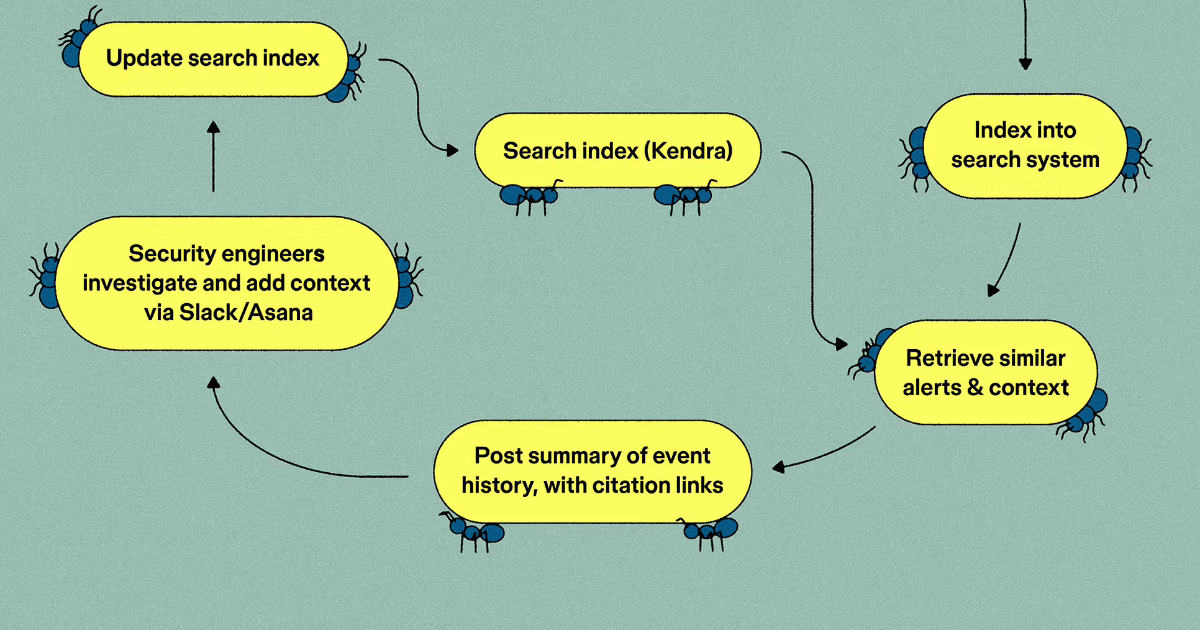
Figma’s recent deployment of AI agents to augment their security team’s workflow represents a significant step forward in how organizations are leveraging AI to address increasingly complex operational challenges. The 70% reduction in alert resolution time is a compelling metric, but the deeper story lies in the shift from reactive security measures to a more proactive and intelligent system. This isn't about replacing human security experts; it’s about empowering them to focus on higher-level strategic initiatives rather than being bogged down in repetitive tasks. We've seen similar discussions around AI’s role in DevOps, as explored in AI-Powered DevOps: A Practical Guide, and this application to security reinforces the trend of AI becoming an integral component of modern IT operations. The success Figma has achieved underscores the potential for AI to fundamentally reshape how security teams operate, moving beyond traditional rule-based systems to adaptive, learning models. The broader implications extend beyond security, suggesting a similar approach could be applied to areas like customer support, compliance, and even software development itself, freeing up human capital for more strategic work.
The key to Figma’s success appears to be the agents’ ability to learn from past investigations. This “learning loop” is crucial because it allows the AI to adapt to the specific nuances and patterns within Figma’s unique environment. Generic AI security tools often struggle with this level of customization, relying on broad datasets that may not accurately reflect a company’s specific risks and vulnerabilities. This focus on internal data and continuous learning distinguishes Figma’s approach from more off-the-shelf solutions. Moreover, the ability to automatically prepare code fixes, even in draft form, demonstrates a level of sophistication that goes beyond simple alert triage. This proactive element – identifying and suggesting remediation steps – is what truly elevates the system's value. It’s a far cry from the traditional model of identifying an issue and then manually assigning a developer to fix it, a process that can often be slow and inefficient. Related to this, our own recent piece on The Rise of the AI-Assisted Engineer highlights the growing trend of AI tools directly supporting developer workflows, and Figma’s security agent represents a compelling extension of that concept.
However, it’s important to acknowledge potential challenges and considerations. The effectiveness of these AI agents is directly tied to the quality and completeness of the historical data they are trained on. Biases in the data could lead to flawed conclusions or ineffective remediation strategies. Furthermore, the automation of code fixes, even in draft form, requires careful oversight and validation to prevent unintended consequences. Human review and validation will remain critical, at least for the foreseeable future. The ethical considerations surrounding AI-driven security decisions also warrant attention, particularly regarding potential impacts on privacy and fairness. Figma’s transparency in documenting their approach is commendable and sets a positive example for other organizations considering similar implementations; it fosters trust and allows for broader learning within the security community. As outlined in AI Security: Risks and Mitigation Strategies, a robust framework for ongoing monitoring and evaluation is essential to ensure the responsible and effective use of AI in security contexts.
Looking ahead, the most compelling question is whether we'll see a proliferation of similar AI agent-based systems across various industries and functions. Figma’s success suggests that the potential benefits are significant, but the barriers to entry – particularly the need for high-quality training data and skilled AI engineers – remain substantial. The future likely holds specialized AI agents, tailored to specific security domains or even individual roles within a security team. We can anticipate a shift from general-purpose AI tools to more focused, purpose-built solutions that seamlessly integrate into existing workflows. The evolution of these agents—their ability to not only learn from past incidents but also to anticipate future threats—will be a key indicator of the long-term impact of AI on the security landscape.
The engineering team at software company Figma recently documented how they built AI agents to help their security team investigate alerts, search past incidents, check company systems, and even prepare code fixes. The agents learn from previous investigations, reducing repetitive work and helping engineers resolve complex alerts about 70% faster.
By Renato LosioRead on the original site
Open the publisher's page for the full experience