How GitHub Is Securing Agentic Workflows in Modern CI CD Systems
Our take
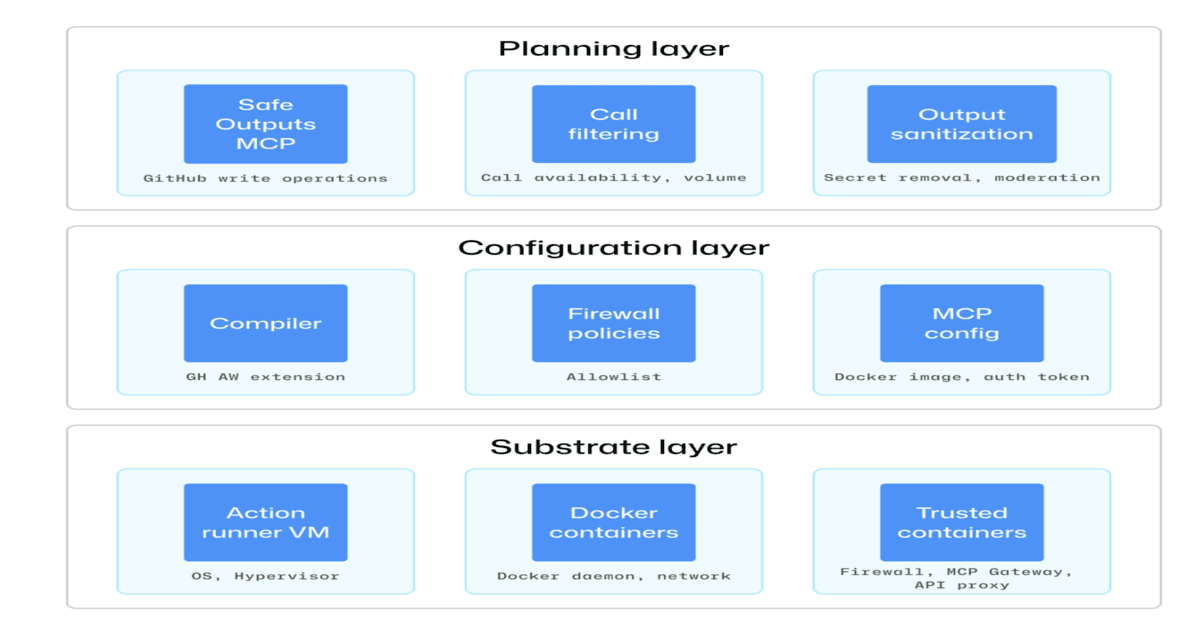
In the rapidly evolving landscape of software development, GitHub's recent insights into securing agentic workflows within CI/CD systems are both timely and critical. The company has outlined a robust defense-in-depth security architecture that emphasizes isolation, constrained execution, and auditability. This approach is particularly relevant as organizations increasingly integrate autonomous AI agents into their development pipelines. By addressing potential vulnerabilities such as prompt injection and privilege escalation through methods like sandboxed environments and restricted permissions, GitHub is not just responding to contemporary challenges but is also setting a precedent for the future of secure software practices. This is a vital area of focus, especially when considering the ongoing discussions around AI integration in various sectors, such as healthcare, where innovative solutions are sought to improve patient outcomes, as explored in our article on healthcare AI use cases.
The implications of GitHub's architectural choices extend beyond mere technical specifications. By prioritizing auditability and traceability within these workflows, GitHub is enhancing accountability. This is essential as teams aim to understand the actions taken by AI agents, ensuring these systems can be trusted and effectively managed. The move towards isolated execution environments means that organizations can run AI-driven processes without the fear of unintended actions affecting critical systems or data integrity. This aligns well with the need for businesses to maintain operational security while harnessing the power of AI, an area that is increasingly coming under scrutiny as organizations seek to find missing data and streamline their processes.
Furthermore, GitHub’s emphasis on mitigating risks associated with AI agents is a necessary counterbalance to the excitement surrounding AI capabilities. While the potential for automation and efficiency gains is significant, it is crucial that businesses do not overlook the importance of security and governance. The use of restricted permissions and full execution traceability not only safeguards against misuse but also empowers teams to leverage AI tools confidently. In this context, GitHub is advocating for a culture of responsible AI use, demonstrating that innovation and security can coexist. This is an essential message for teams working within CI/CD environments where the integration of new technologies must be managed with care.
Looking forward, it will be interesting to see how GitHub and similar platforms continue to evolve their security architectures in response to the growing adoption of AI in software development. As more organizations embrace these technologies, the demand for secure, transparent workflows will only increase. This raises a vital question: how will teams ensure that their use of AI remains ethical and responsible as capabilities expand? As we move toward a future where autonomous agents play a more significant role in development practices, the need for frameworks that balance innovation with security will be paramount. Keeping an eye on GitHub's developments in this space will provide valuable insights into how the industry navigates these challenges.
GitHub detailed a defense-in-depth security architecture for agentic workflows in CI/CD pipelines, focusing on isolation, constrained execution, and auditability. The design aims to safely integrate autonomous AI agents while mitigating risks like prompt injection, privilege escalation, and unintended actions, using sandboxed environments, restricted permissions, and full execution traceability.
By Leela KumiliRead on the original site
Open the publisher's page for the full experience