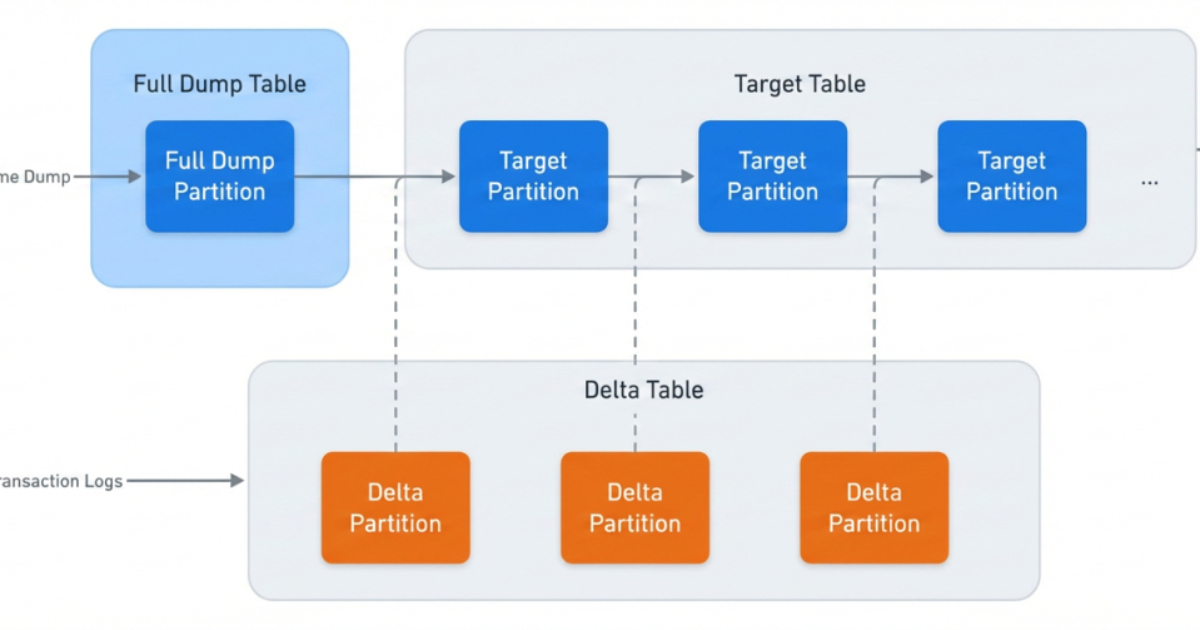
Meta's recent migration of its data ingestion platform showcases a monumental effort in enhancing operational efficiency and reliability at a scale that few organizations can fathom. By transferring several petabytes of MySQL social graph data daily, Meta's engineering team not only improved system performance but also ensured that users experienced zero downtime during the transition. Techniques like reverse shadowing and continuous checksum monitoring reflect a sophisticated approach to data management that prioritizes reliability in an era where data integrity is paramount. This development is particularly relevant when we consider similar challenges faced in the broader tech landscape, such as the recent Google Cloud Suspends Railway's Production Account, Causing Eight-Hour Platform-Wide Outage, where unexpected downtime can cripple operations and erode trust.
For many organizations, especially those utilizing traditional tools, the complexities of data management can feel overwhelming. Meta's innovative strategies not only highlight the need for robust systems but also serve as a compelling invitation for businesses to rethink their own data ingestion processes. The meticulous attention to detail in this migration speaks volumes about the urgency of adopting modern practices. It is a clear signal that legacy systems, which may have once sufficed, are increasingly becoming a liability in the face of growing data demands. For professionals grappling with data challenges, the question arises: how can they leverage similar methodologies to enhance their workflows? This is especially relevant for those in roles such as demand forecasting, as seen in articles like Quarterly Guest Demand Forecasting, where effective data management is critical for accuracy and efficiency.
The implications of Meta's advancements extend beyond their immediate operational benefits. As organizations worldwide strive to become more data-driven, the methodologies employed by Meta can serve as a blueprint for success. By embracing innovative techniques, companies can not only bolster their own data ingestion processes but also cultivate a culture that prioritizes agility and responsiveness. This is particularly important in an environment where data is increasingly viewed as a strategic asset rather than merely a byproduct of operations. The emphasis on continuous checksum monitoring as a safeguard against data corruption is a noteworthy example of this mindset, reinforcing the idea that proactive measures are essential for maintaining trust in data-driven decisions.
As we look to the future, it will be fascinating to observe how Meta's successful migration influences the broader industry. Will other companies adopt similar techniques to enhance their own data systems, or will they continue to rely on outdated methods? The landscape of data management is shifting, and organizations that fail to adapt may find themselves at a significant disadvantage. For users and decision-makers, the imperative is clear: to explore and adopt innovative solutions that not only streamline data management but also empower them to harness the full potential of their information assets. In a world where data is the lifeblood of successful organizations, staying ahead of the curve is not just beneficial; it is essential.