Indian Uber rival Rapido raises $240M at $3B valuation
Our take
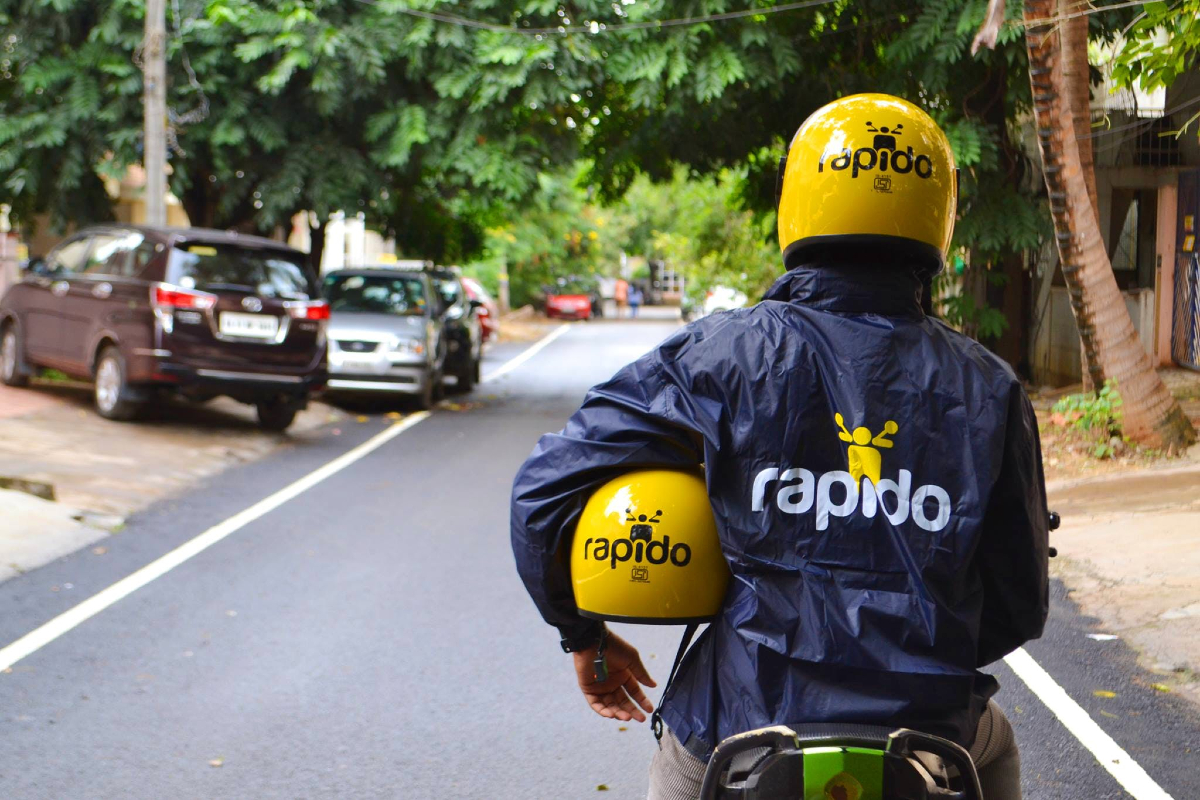
The recent announcement of Rapido raising $240 million at a $3 billion valuation marks a significant development in the ride-hailing industry, particularly within India's rapidly evolving transportation landscape. By focusing on lower-cost and more flexible modes of transport, such as motorbikes and autorickshaws, Rapido is not only carving out a niche for itself but also challenging traditional ride-hailing models dominated by larger players like Uber. This evolution speaks to a broader trend where consumers are increasingly seeking alternatives that align more closely with their economic realities and lifestyle needs.
Rapido's growth strategy highlights the importance of accessibility and affordability in transportation. By leveraging two-wheelers and autorickshaws, which are often more convenient for navigating congested urban areas, Rapido is addressing a critical gap in the market. This approach not only caters to budget-conscious consumers but also contributes to reducing traffic congestion and lowering emissions, thus aligning with urban sustainability goals. In a landscape where many users feel constrained by the limitations of traditional ridesharing options, platforms like Rapido are redefining what mobility looks like in India. This aligns with the ongoing discussions around data management and innovation, as seen in our piece on Applied Scientist Interview Prep, where the importance of adapting to evolving technology trends is paramount.
The implications of this funding round extend beyond just financial metrics. It signals investor confidence in the potential for alternative ride-hailing models to thrive, particularly in emerging markets. The focus on diverse transportation modes opens the door for more inclusive mobility solutions, which cater to varied demographics and geographic regions. This development also reflects a shift toward a more fragmented mobility ecosystem, where users might gravitate towards multiple platforms based on their real-time needs. As we continue to explore the complexities of data management in this new landscape, understanding the nuances of user behavior will be crucial. For more insights on related topics, consider our article on the process of rapidly ever improving differentiation between noise and signal patterns.
Furthermore, Rapido's success could serve as a catalyst for other start-ups in the mobility sector to innovate and refine their offerings. With the ride-hailing space becoming increasingly competitive, the emphasis on user-centric solutions could lead to a wave of transformative ideas aimed at enhancing the customer experience. For instance, the integration of technology to streamline operations and improve service reliability could emerge as focal points for future growth. This aligns with the ongoing discourse in our community regarding the need for practical solutions in technology, as highlighted in our inquiry about Emotion Cause Extraction models in our post on Does anyone know any ready-to-go Emotion Cause Extraction (ECE) model?.
Looking ahead, the question remains: how will traditional ride-hailing services adapt to this evolving landscape? As companies like Rapido gain traction, incumbent players must find ways to innovate while remaining accessible and relevant in the eyes of consumers. The future of urban mobility is likely to be characterized by an increasing diversity of options, necessitating a shift in how we think about transportation. This development invites us to remain vigilant about the next wave of innovation and its potential to reshape our understanding of mobility in urban environments.
Read on the original site
Open the publisher's page for the full experience