Laid-off Oracle workers tried to negotiate better severance. Oracle said no.
Our take
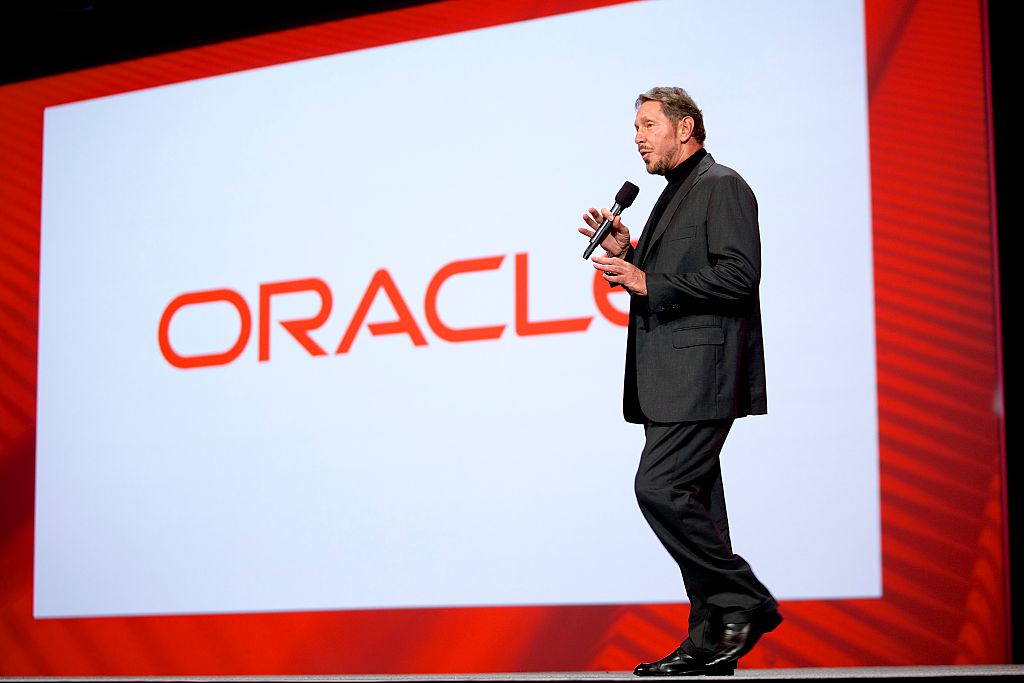
When large corporations reclassify employees as remote workers to circumvent legal protections, it reveals a fundamental tension between traditional employment structures and modern work arrangements. This dynamic isn't isolated to Oracle's layoff practices—similar patterns emerge across industries where AI and automation are reshaping workforce expectations. Consider how Healthcare (insurance, pop health, VBC) - actual AI use cases? demonstrates the healthcare sector actively navigating these transitions, or how teams struggle with basic data management tasks like finding missing information, highlighting the gap between technological capability and practical implementation. Even everyday user interface frustrations, such as being unable to remove floating interface elements, reflect the broader challenge of adapting legacy systems to new realities.
The Oracle situation illuminates a critical vulnerability in worker protections when corporate policies adapt faster than legal frameworks. By classifying employees as remote workers, the company effectively excluded them from the Worker Adjustment and Retraining Notification Act's requirement for advance notice of mass layoffs. This strategic reclassification transforms what might have been a two-month cushion into immediate displacement, leaving workers scrambling to understand their rights while the company avoids financial obligations. It's a playbook that prioritizes short-term cost avoidance over long-term relationship building, a approach that ultimately undermines trust and stability in an era where talent mobility increasingly defines competitive advantage.
What makes this particularly concerning is how it exploits the ambiguity surrounding remote work classifications. As more organizations embrace distributed teams, the lines between physical presence and employment status have become increasingly blurred. Yet the legal infrastructure protecting workers was built around geographic and operational assumptions that no longer align with contemporary work patterns. This creates a dangerous precedent where companies can unilaterally redefine employment relationships to avoid responsibilities, leaving employees vulnerable during transitions that could otherwise be managed more humanely.
The broader implication extends beyond individual layoffs to questions about how we structure workplace protections in an AI-driven economy. As organizations explore how to find missing data and implement new technologies, they must also consider the human infrastructure required to support these changes. The disconnect between policy intent and practical application becomes more pronounced as work becomes less tethered to physical locations. Companies that view compliance as a hurdle to overcome rather than a foundation for ethical treatment will find themselves increasingly isolated in a talent market that values transparency and mutual accountability.
The question moving forward isn't just whether other organizations will adopt similar tactics, but whether the legal framework can evolve to match the reality of modern work arrangements. As AI increasingly mediates both the tools we use and the decisions that affect our careers, ensuring that human-centered protections remain robust becomes even more critical.
Read on the original site
Open the publisher's page for the full experience