Larry Ellison cancels $7.5 billion sale of Oracle stock
Our take
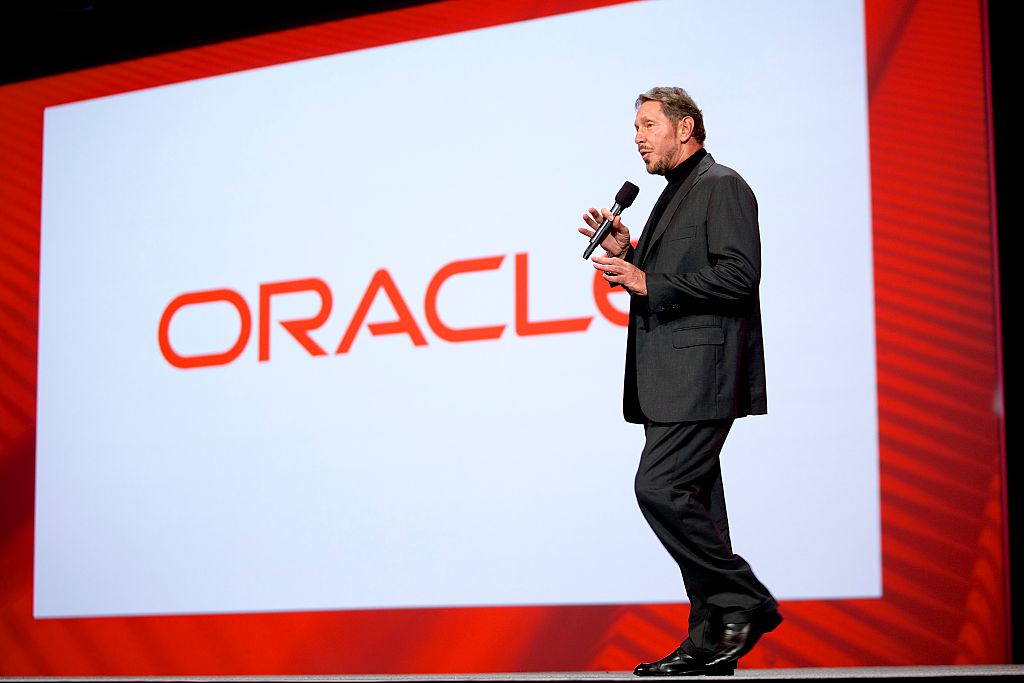
Larry Ellison's abrupt cancellation of his planned $7.5 billion stock sale is a significant event, signaling a complex interplay of confidence, market perception, and potentially, Oracle's evolving strategic outlook. The initial announcement, detailing the sale of 50 million shares, was widely interpreted as a move by Ellison to diversify his personal wealth. However, its reversal raises questions about his current assessment of Oracle's valuation and future prospects. It’s a move that, while seemingly sudden, could be a calculated response to recent market trends and competitor activity. The broader AI landscape is rapidly shifting, as evidenced by the substantial funding rounds being secured by emerging players like Mecka AI nears $500M valuation in Sequoia-led deal amid rush for robot training data, highlighting the intense competition for resources and talent in the sector. Similarly, the success of companies like Furo’s founders left Silicon Valley — and it’s paying off demonstrates that geographic location is becoming less of a barrier to securing investment and achieving growth, further complicating the traditional power dynamics of the tech industry.
The timing of this decision is particularly noteworthy. Oracle has been aggressively positioning itself within the generative AI space, investing heavily in its own AI cloud infrastructure and integrations. While Ellison has publicly expressed optimism about Oracle’s AI capabilities, the stock sale reversal suggests a possible hesitation regarding immediate market enthusiasm. It’s plausible that Ellison, a notoriously astute businessman, perceived a potential dip in Oracle’s stock price following the sale, and ultimately decided to retain his stake, believing the company's long-term value is currently underestimated. The fact that The Boring Company raises $3B in round led by UAE, demonstrates that significant capital is flowing into infrastructure projects, and Oracle's cloud infrastructure will be critical for supporting these developments. This could be a factor in Ellison’s decision to hold onto his shares. The cancellation effectively communicates a vote of confidence in Oracle’s future, a message that could reassure investors and potentially stabilize or even boost the stock price.
Beyond the immediate financial implications, Ellison's actions underscore a broader trend of tech leaders reassessing their personal investment strategies in light of evolving market dynamics. The era of seemingly limitless capital and rapid valuations appears to be moderating, forcing companies and their executives to exercise greater caution and strategic foresight. Oracle’s position within the enterprise software market is undeniably strong, but its success in the rapidly evolving AI landscape will be crucial for maintaining its competitive edge. The company's ability to effectively integrate AI into its existing product suite and attract top AI talent will be key determinants of its future performance. This decision could also be interpreted as a signal to Oracle's workforce, reinforcing a message of stability and long-term commitment to the company's vision.
Ultimately, Ellison’s reversal is a complex signal that warrants close observation. While it could simply reflect a change of heart regarding personal financial planning, it’s more likely a strategic maneuver intended to influence market perception and reinforce confidence in Oracle’s future. The broader question now becomes: will this action be perceived as a shrewd move demonstrating unwavering faith in Oracle’s potential, or will it be viewed as a sign of underlying concerns about the company's ability to navigate the increasingly competitive AI landscape? The next few quarters will be critical in determining the true impact of this decision and its implications for Oracle’s position within the tech ecosystem.
Read on the original site
Open the publisher's page for the full experience