Lime, the Uber-backed micromobility company, files for IPO
Our take
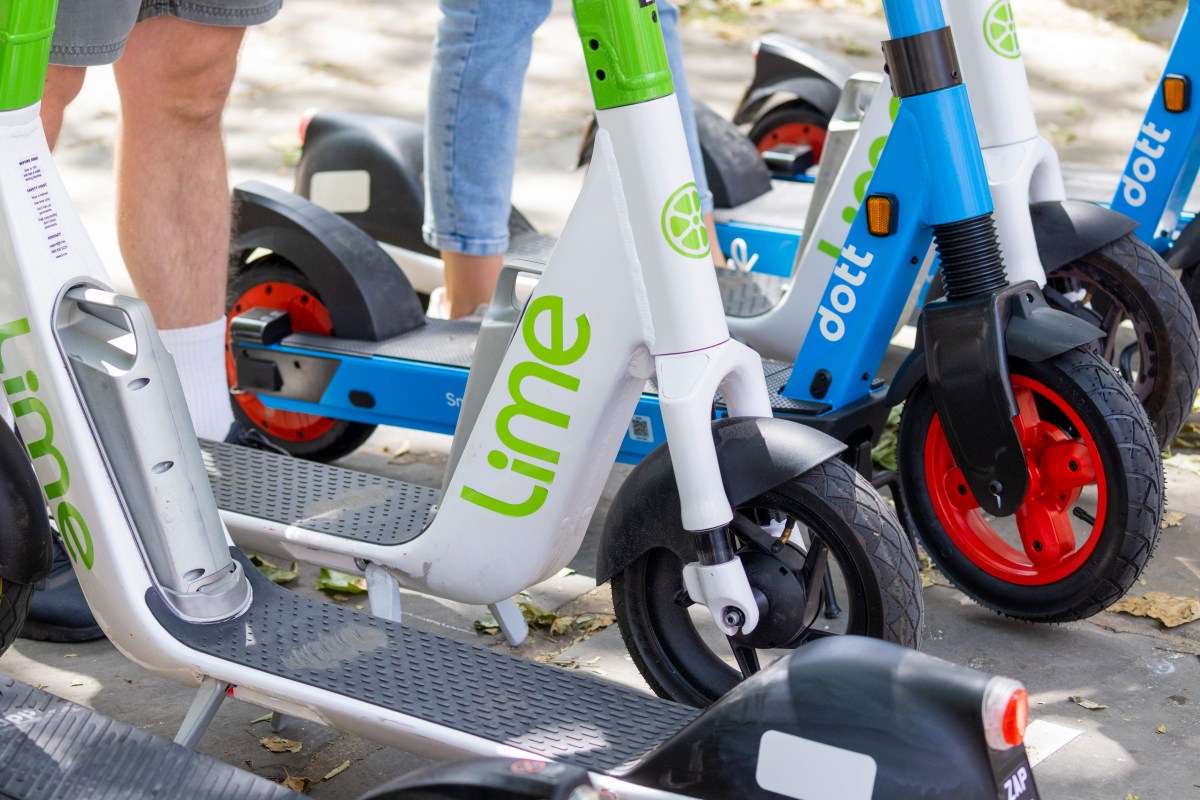
Lime’s decision to file for an initial public offering marks a pivotal moment for micromobility and the broader transportation ecosystem. After years of quiet preparation, the company is stepping onto a public stage that promises both scrutiny and opportunity. For readers who rely on data‑driven tools to manage complex projects, Lime’s move underscores how AI‑enhanced platforms can reshape legacy logistics and empower city planners, investors, and everyday riders alike. The filing also invites a closer look at the strategic partnership that has underpinned Lime’s growth—most notably Uber’s backing—and what that relationship signals for the future of integrated mobility services. To explore the broader implications, see the recent analysis in TechCrunch Mobility: Lime’s IPO gamble and the emerging role of AI in transportation covered in our coverage of AI‑driven mobility solutions.
From an operational perspective, Lime’s IPO is more than a financing event; it is a validation of the data‑centric model that powers its fleet management. The company’s AI engine continuously optimizes scooter placement, predicts demand spikes, and balances battery health across thousands of devices. By opening its books, Lime will be compelled to disclose the efficacy of these algorithms, offering a rare glimpse into how predictive analytics translate into tangible cost savings and service reliability. For professionals who manage spreadsheets laden with performance metrics, this transparency provides a benchmark for building their own AI‑enabled dashboards—transforming raw numbers into actionable insights without the need for deep technical expertise.
The market’s reaction will also reveal how investors assess the scalability of micromobility in a post‑pandemic world. While the sector has faced headwinds—regulatory hurdles, seasonal demand fluctuations, and competition from emerging e‑bike platforms—Lime’s extensive network and data infrastructure position it to navigate these challenges. The IPO proceeds are expected to fund expansion into underserved markets, upgrade charging infrastructure, and deepen integration with Uber’s ride‑hailing ecosystem. This strategic allocation of capital aligns with a progressive vision: moving beyond the perception of scooters as a novelty toward a durable, city‑level solution that reduces congestion and emissions. Readers who track corporate financials will find the upcoming prospectus a valuable case study in how AI‑driven operational efficiency can justify growth‑stage investment.
Equally important is the cultural shift that Lime’s public debut may inspire among legacy transportation providers. Traditional fleet operators have long depended on static spreadsheets and manual reporting, often lagging behind real‑time insights. Lime’s transparent use of AI to automate these processes demonstrates a pathway for legacy firms to modernize without abandoning their existing workforce. By showcasing a model where technology augments human decision‑making, Lime invites other industries to explore similar transformations—empowering teams to focus on strategic outcomes rather than data entry chores.
Looking ahead, the true test will be whether Lime can sustain its momentum as it scales and as regulatory landscapes evolve. Will the company’s AI framework adapt quickly enough to new city policies, or will compliance become a bottleneck that slows growth? As the IPO unfolds, watching how Lime balances rapid expansion with responsible data stewardship will be essential. The outcome could set a precedent for how AI‑native mobility platforms mature in public markets, offering a roadmap for any organization seeking to transform data‑intensive operations into forward‑focused, user‑centric services.
Read on the original site
Open the publisher's page for the full experience