LinkedIn Consolidates Hiring Data Pipelines to Power AI Driven Talent Systems
Our take
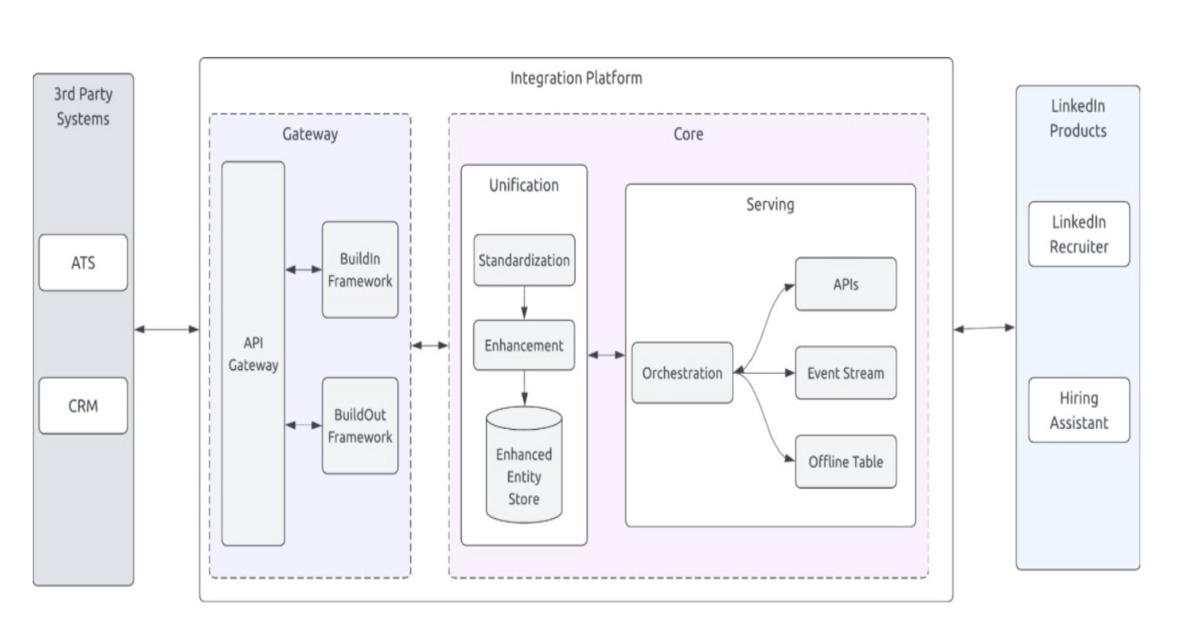
In an era where businesses are increasingly reliant on data-driven decision-making, LinkedIn's introduction of a unified integrations platform marks a significant advancement in the way hiring data is managed across systems. By streamlining and standardizing hiring data, LinkedIn has not only reduced onboarding time by an impressive 72% but also enhanced data consistency and completeness. This move represents a crucial step toward scalable, AI-driven hiring features that promise to revolutionize the recruitment landscape. As organizations look to maximize efficiency, solutions like these will be pivotal in enabling smoother operations and improved hiring outcomes.
The implications of this platform extend beyond mere operational efficiency. For companies, the ability to access reliable and well-organized data can dramatically improve talent acquisition strategies. When hiring processes are underpinned by standardized schemas and orchestration workflows, organizations can make faster, more informed decisions. This is particularly relevant in the context of discussions around simplifying processes, such as in our piece on simplifying a task assignment process, where 2000 tasks are broken up among 10 workers. Just as a clear structure can enhance task distribution, so too can a unified data platform streamline the complexities of hiring, allowing HR teams to focus on strategic initiatives rather than administrative burdens.
Moreover, the integration of AI into the hiring process is not merely a trend; it is a necessary evolution. As highlighted in the article, the platform facilitates scalable AI-driven features. This capability is essential as organizations increasingly seek to leverage artificial intelligence to enhance candidate matching and reduce bias in hiring. Such advancements can lead to more diverse and qualified candidate pools, addressing a long-standing challenge in recruitment. The potential for machine learning algorithms to analyze vast datasets in real time can transform not only how companies identify talent but also how they engage with candidates throughout the hiring journey. Readers interested in data visualization might find parallels in our article about only showing Yes percentages, where selective data representation can significantly impact decision-making.
Looking forward, the success of LinkedIn's unified integrations platform raises questions about the future of data management in hiring. Will other platforms follow suit, creating a competitive environment that prioritizes data integrity and accessibility? As businesses increasingly seek to harness the power of AI, the demand for standardized and centralized data solutions will likely grow. Companies that adapt to these changes will not only improve their hiring processes but also foster an environment ripe for innovation and growth. The real challenge lies in ensuring that these advancements are implemented thoughtfully, keeping the user experience at the core. As we embrace this future, it is essential to consider how we can empower users to navigate these new systems effectively, transforming the way talent is acquired and managed in an ever-evolving landscape.
LinkedIn introduced a unified integrations platform to standardize and reconcile hiring data across systems. The platform reduces onboarding time by 72%, improves data consistency and completeness, and enables scalable AI-driven hiring features through standardized schemas, orchestration workflows, and centralized data processing.
By Leela KumiliRead on the original site
Open the publisher's page for the full experience