Local Whisper Audio Transcription
Our take
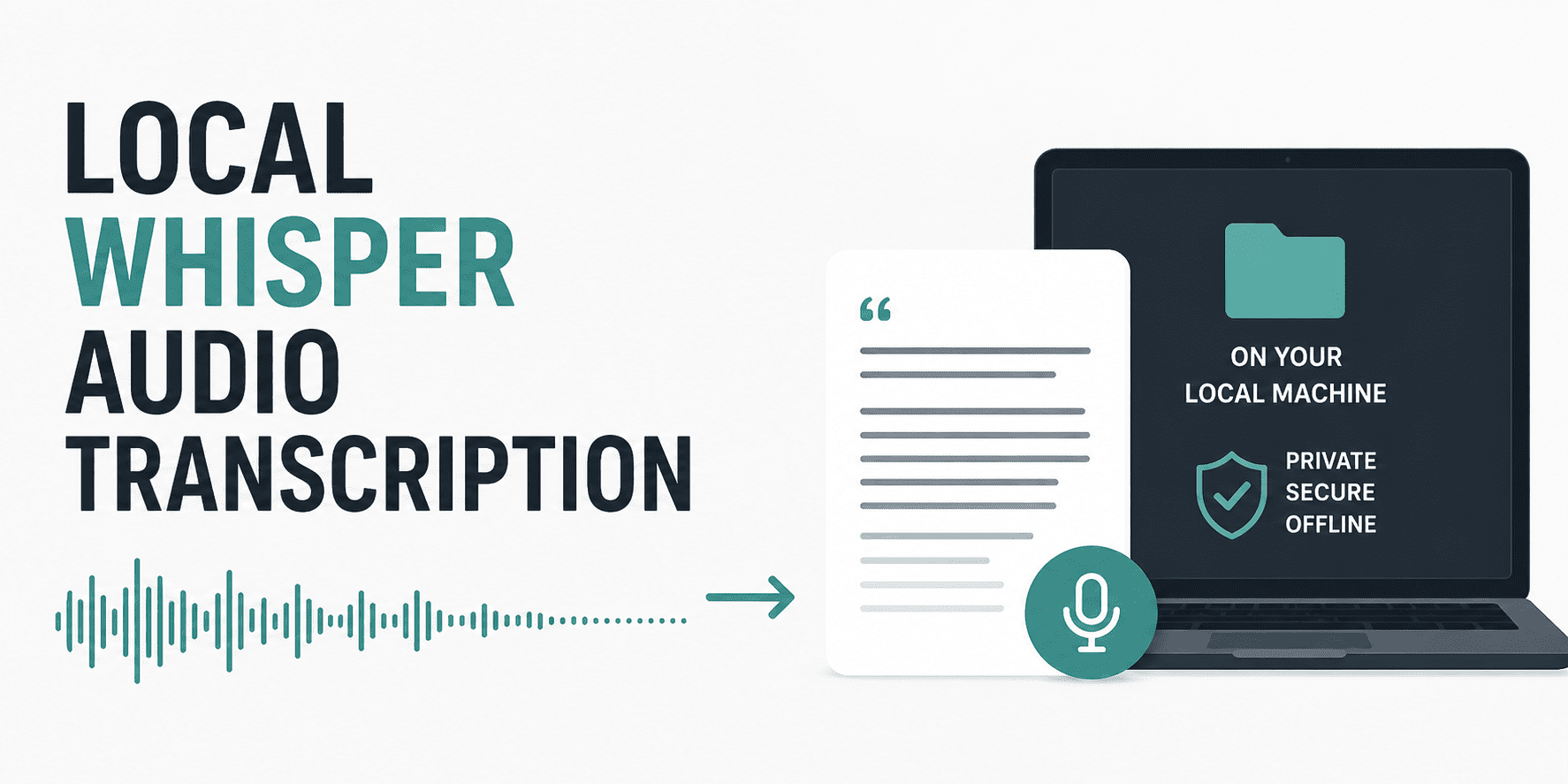
The recent article on **Local Whisper Audio Transcription** highlights a growing interest in privacy-focused technology, particularly in how we manage and process audio data. Utilizing Faster-Whisper and Python, this method allows users to transcribe audio locally, emphasizing a privacy-first approach that resonates strongly in our increasingly data-conscious society. As we delve into the implications of such innovations, it’s essential to consider not just the technology itself, but also its potential impact on productivity and user empowerment.
In an era where data privacy concerns are paramount, the ability to handle audio transcription locally can significantly enhance user confidence. By processing data on personal devices rather than relying on cloud services, users can protect sensitive information, an aspect that is becoming increasingly critical. This resonates with discussions around user experience found in related articles like Does anyone have issue of stock prices stopped updating?, where reliability and transparency in technology are crucial for user trust. This is particularly relevant in industries that deal with confidential information, where data breaches could have severe consequences.
Moreover, the integration of CPU/GPU capabilities into the transcription process highlights the progressive nature of modern computing. Users can leverage their existing hardware to achieve efficient performance, thus democratizing access to powerful tools without requiring specialized infrastructure. This aligns with the discussions in our article Your AI Use Is Breaking My Brain: Why 10 Minutes of Prompting Fries Us[D], which emphasizes the importance of user-friendly solutions in a complex digital landscape. The ability to utilize locally available resources speaks to a broader trend of empowering users, allowing them to take control of their data and workflows without being overwhelmed by complexities.
The implications of this technology extend beyond mere transcription. As users become more adept at handling audio data locally, we can anticipate a shift in how organizations approach data management and collaboration. The local processing of audio can streamline workflows, enabling more efficient communication and documentation practices. For example, teams can quickly transcribe meetings or brainstorming sessions, facilitating a more inclusive and productive environment. This potential for enhanced collaboration echoes the insights shared in Sorting a Sheet with Data inputs from a Power Query and XLookup, where integration and automation can lead to significant productivity gains.
As we look to the future, the development of tools like Faster-Whisper presents an exciting opportunity for users to redefine their interaction with audio data. The ability to transcribe locally not only addresses privacy concerns but also fosters a more intuitive and engaging user experience. It prompts us to question how we can further innovate in the realm of data management and whether we can harness such technologies to enhance productivity across various sectors. Will we see more widespread adoption of privacy-first tools, and how will this shape our understanding of data responsibility in the coming years? The answers to these questions could significantly influence the trajectory of technology in our daily lives.
Read on the original site
Open the publisher's page for the full experience