ML Intern in Practice: From Prompt to a Shipped Hugging Face Model
Our take
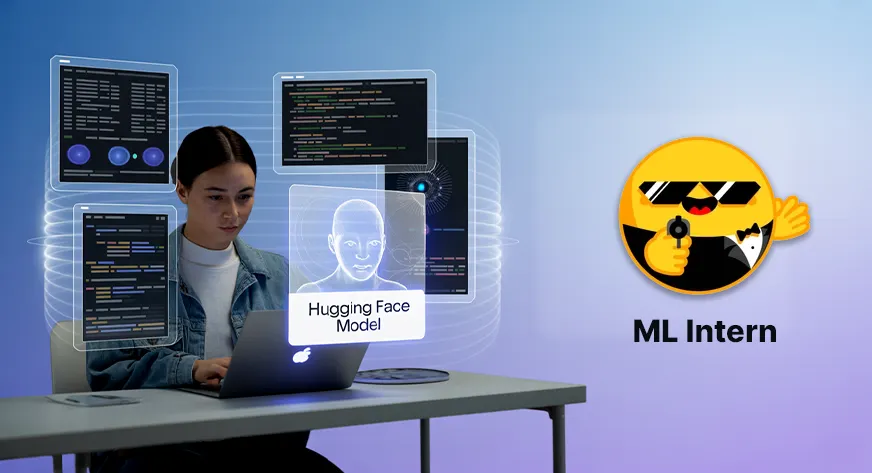
In the evolving landscape of machine learning (ML), a common misconception is that the choice of model is the decisive factor for success. However, as highlighted in the article "ML Intern in Practice: From Prompt to a Shipped Hugging Face Model," the reality is far more intricate. The challenges that arise in the "messy middle"—which includes dataset selection, usability checks, and debugging—are often the culprits behind project failures. This nuanced understanding is crucial for practitioners and organizations aiming to leverage ML effectively. As we delve deeper into this topic, it's clear that tools like ML Intern are essential for streamlining these complex processes, transforming how teams approach model deployment.
The importance of addressing the messy middle cannot be overstated. Many organizations have invested heavily in selecting advanced algorithms without realizing that the groundwork—like curating the right datasets or ensuring the model's outputs are reliable—can make or break a project. This insight resonates with discussions in our recent piece, How AI Agents Will Transform Data Science Work in 2026, where we explore the potential of AI agents to alleviate these burdens. By focusing on the foundational elements of ML projects, practitioners can enhance their productivity and outcomes significantly, moving beyond the initial excitement of model selection into the practicalities that ensure a successful deployment.
ML Intern exemplifies a progressive approach to these challenges by offering an integrated solution that not only automates model selection but also guides users through the intricate details of model training and evaluation. This aligns with the broader trend of making advanced technologies accessible to a wider audience, empowering users to take control of their ML projects without getting bogged down in complexity. As organizations increasingly seek to harness the power of AI, tools that simplify the process of moving from concept to execution will be invaluable. This focus on usability reflects a human-centered ethos that prioritizes user experience and productivity, essential elements in driving innovation forward.
Looking ahead, the question remains: how will the integration of tools like ML Intern shape the future of data science? As we witness a shift towards more accessible ML practices, it’s likely that organizations that embrace these transformative solutions will gain a competitive edge. This evolution will not only enhance project outcomes but also democratize access to advanced ML capabilities, allowing a wider range of users to contribute to innovation in the field. The ongoing developments in AI and machine learning will continue to reshape how we understand data management, and staying ahead of these trends will be key for professionals and organizations alike. The journey from prompt to model deployment is just the beginning; it opens the door to a future where data-driven decisions are more intuitive and effective than ever before.
Most ML projects do not fail because of model choice. They fail in the messy middle: finding the right dataset, checking usability, writing training code, fixing errors, reading logs, debugging weak results, evaluating outputs, and packaging the model for others. This is where ML Intern fits. It is not just AutoML for model selection and […]
The post ML Intern in Practice: From Prompt to a Shipped Hugging Face Model appeared first on Analytics Vidhya.
Read on the original site
Open the publisher's page for the full experience