Moove raises $250M to become the backbone of the robotaxi industry
Our take
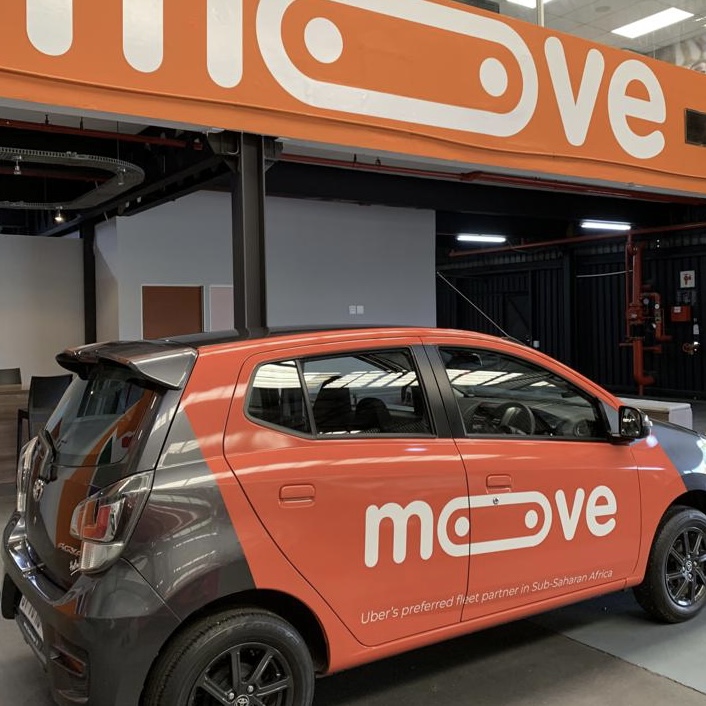
Moove’s recent $250 million funding round, focused on scaling its autonomous vehicle fleet management business with an eventual ambition to own Waymo robotaxis, signals a significant shift in the rapidly evolving landscape of autonomous transportation. While much of the current narrative around self-driving vehicles centers on the technology itself – the sensors, the algorithms, the AI – Moove’s strategy highlights the critical, and often overlooked, importance of the operational backbone required to deploy and manage these fleets at scale. This isn't just about building a self-driving car; it's about building the infrastructure and processes to keep those cars running reliably, efficiently, and profitably. The financing underscores the growing recognition that fleet management—including charging, maintenance, remote monitoring, and dynamic routing—represents a massive opportunity, and one that requires specialized expertise distinct from the core autonomous driving development. For those wanting to delve deeper into the challenges of AV deployment, consider exploring The Road to Robotaxis from McKinsey and this analysis of AV Fleet Management Challenges on Forbes.
The move from simply *managing* robotaxi fleets to aspiring to *own* them is particularly insightful. Currently, many AV companies rely on partnerships with existing fleet operators or traditional ride-hailing services. Moove’s ambition suggests a belief that owning and controlling the entire operational stack—from vehicle procurement to maintenance to dispatch—will ultimately be more profitable and offer greater control over the user experience. This vertical integration strategy mirrors the approaches seen in other tech-driven industries, where companies seek to capture more value by managing more of the supply chain. It also hints at a potential future where specialized AV fleet management companies become key players, effectively acting as the "operating system" for autonomous transportation services, regardless of which company developed the underlying self-driving technology. The implications for Waymo, and other AV developers, are substantial; they could find themselves increasingly reliant on companies like Moove for deployment and scaling, potentially shifting the power dynamic within the industry.
Beyond the specific players involved, Moove’s success underscores a broader trend toward a more pragmatic, operational focus within the autonomous vehicle space. The initial hype around fully autonomous vehicles achieving widespread adoption within a few years has largely subsided, replaced by a more realistic understanding of the technological, regulatory, and logistical hurdles involved. Companies are now recognizing that incremental progress, focusing on specific use cases (like robotaxis in geofenced areas) and building robust operational capabilities, is the most likely path to achieving sustainable growth. This shift away from pure technological ambition towards operational excellence is essential for unlocking the true potential of autonomous vehicles and moving beyond the pilot programs and limited deployments that have characterized the industry thus far. Think of it as moving from the "dreaming phase" to the "building phase"—and building requires more than just clever algorithms; it requires meticulous planning, efficient logistics, and a relentless focus on execution.
Looking ahead, the key question will be whether Moove can successfully navigate the complexities of scaling a robotaxi fleet management business, particularly as autonomous technology matures and regulatory frameworks evolve. Achieving profitability in this space will depend not only on operational efficiency but also on securing favorable partnerships, navigating insurance liabilities, and demonstrating a commitment to safety. Ultimately, Moove’s journey will serve as a crucial test case for the viability of the AV fleet management model, and its success or failure will shape the future of autonomous transportation—potentially creating a new tier of specialized companies that become indispensable to the broader industry. Will Moove's ambition to own Waymo robotaxis become a reality, or will it remain a strategic aspiration as the competitive landscape continues to shift?
Read on the original site
Open the publisher's page for the full experience