NTSB launches probe into fatal Texas Tesla crash
Our take
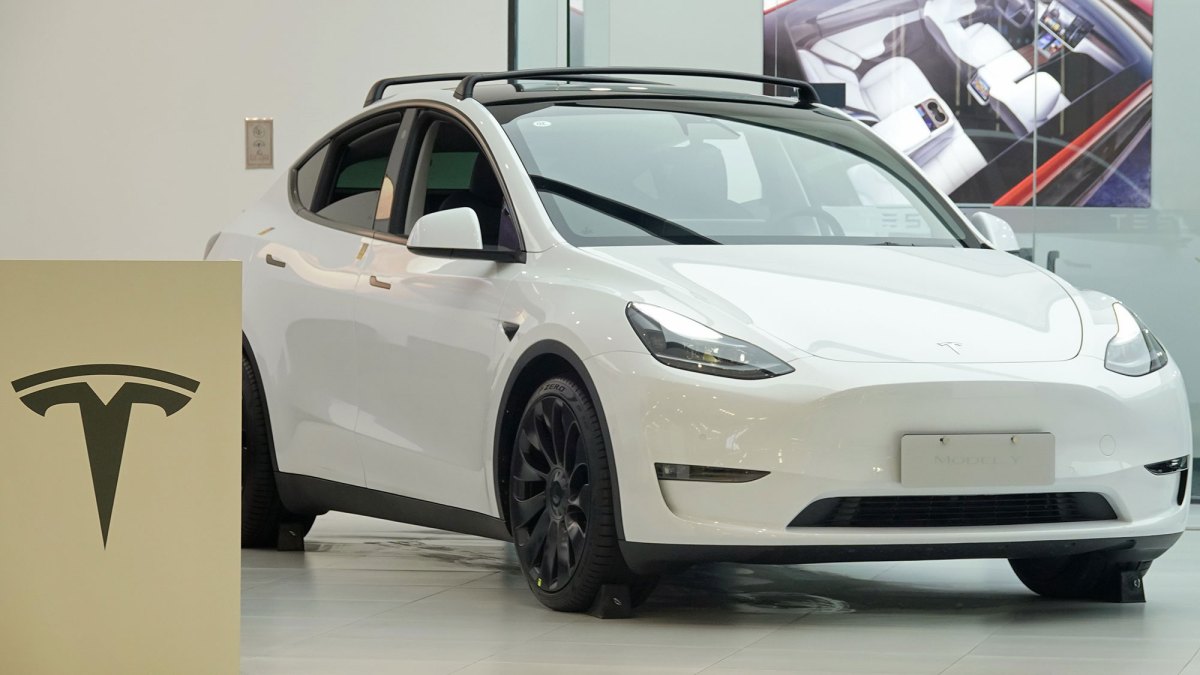
The National Transportation Safety Board’s (NTSB) investigation into the fatal Tesla crash in Texas is a significant development, underscoring the ongoing complexities surrounding autonomous vehicle technology and its integration into our lives. The NTSB’s reputation for meticulous and thorough investigations lends considerable weight to this inquiry, and its parallel probe with the National Highway Traffic Safety Administration (NHTSA) suggests a seriousness of concern that extends beyond a single incident. It’s a reminder that while AI continues to advance at a rapid pace, as evidenced by tools like [Facebook rolls out an AI companion app for creators], the practical application of that technology in safety-critical scenarios demands rigorous scrutiny. The increasing reliance on AI for tasks previously handled by human drivers necessitates a deeper understanding of the potential risks and a proactive approach to mitigation. This isn't just about one car crash; it's about setting precedents and establishing robust safety protocols for a future increasingly shaped by autonomous systems.
The context here is crucial. We’re seeing a convergence of factors – increasing adoption of advanced driver-assistance systems (ADAS), the ongoing development of fully autonomous vehicles, and a growing public awareness of both the potential benefits and inherent risks. The debate around cloud GPU providers for LLM inference, as discussed in [What's your biggest pain point when choosing between cloud GPU providers for LLM inference?[R]], highlights the computational demands of AI, and these demands directly impact the performance and reliability of systems like Tesla’s Autopilot. The performance of these systems hinges on constant data processing and real-time decision making, and any failure in that chain, whether due to hardware limitations, software glitches, or inadequate training data, can have catastrophic consequences. Moreover, the rapid evolution of research and tools, like the updates showcased in [Some new updates to Papers with Code [P]], means safety protocols need to be constantly revisited and adapted to accommodate new capabilities.
The implications of this investigation stretch far beyond Tesla. Regardless of the ultimate findings, it will undoubtedly influence regulatory frameworks, industry standards, and consumer perceptions of autonomous vehicle technology. It will likely spark renewed debate around the role of human oversight in ADAS, the adequacy of current testing procedures, and the ethical considerations surrounding the deployment of these systems. The focus shouldn't solely be on assigning blame but on extracting actionable insights that can prevent future incidents. A thorough examination of the vehicle’s data logs, the driver’s actions, and the surrounding environmental conditions will be essential to understanding the chain of events that led to the crash. Transparency in the NTSB’s findings will be equally important to maintaining public trust and fostering a responsible approach to the development and deployment of autonomous driving technology.
Ultimately, this incident serves as a critical reminder that AI is a tool, and like any tool, it must be wielded with caution and a deep understanding of its limitations. The pursuit of innovation shouldn’t come at the expense of safety. As we move forward, it will be vital to prioritize rigorous testing, robust safety protocols, and ongoing monitoring to ensure that autonomous vehicles can truly deliver on their promise of safer and more efficient transportation. One pertinent question remains: how can we best balance the drive for technological advancement with the need to guarantee public safety in an era of increasingly sophisticated AI-driven systems?
Read on the original site
Open the publisher's page for the full experience