Presentation: Accelerating LLM-Driven Developer Productivity at Zoox
Our take
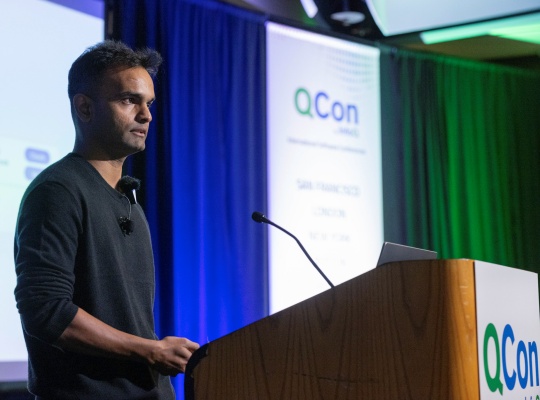
Amit Navindgi's insightful presentation on the transformation at Zoox encapsulates a significant shift in how organizations approach documentation and development through the lens of AI. By transitioning from fragmented documentation to an AI-driven ecosystem with the introduction of "Cortex," Zoox is not only embracing innovation but also setting a precedent for industry-wide change. This evolution reflects a broader movement towards integrated, user-friendly systems that prioritize developer productivity. The strategies outlined, including the encouragement of AI champions and the organization of hackathons, are practical steps that can resonate across various sectors, as seen in other recent developments such as I Let CodeSpeak Take Over My Repository and Wirestock raises $23M to supply creative multimodal data to AI labs.
The heart of Navindgi's argument lies in the transition from deterministic workflows to autonomous agents. This shift is not merely a technical upgrade; it represents a fundamental change in how developers interact with their tools. The integration of RAG (Retrieval-Augmented Generation) and multi-modal LLMs (Large Language Models) into a secure platform signifies a movement towards more intelligent, responsive systems that empower users rather than constrain them with outdated methodologies. By fostering an environment where AI can assist in the development process, Zoox is effectively reducing the cognitive load on developers, allowing them to focus on creativity and problem-solving.
What makes this discussion particularly relevant is the emphasis on user adoption strategies. The role of AI champions and community-driven initiatives like hackathons can catalyze this shift in mindset, encouraging a culture of experimentation and innovation. These strategies are crucial, as they not only facilitate the transition to new technologies but also help demystify AI for everyday users. This approach resonates with the challenges faced by many organizations today, where the integration of AI solutions can often feel overwhelming or intimidating. As highlighted in the piece about Excel Crashes w/ ODBC Query After Copilot Integration, the path to adoption can be fraught with technical hurdles, making the human-centered focus of Zoox's strategy all the more essential.
Looking ahead, the implications of this shift extend beyond just Zoox. As more organizations recognize the value of AI-driven ecosystems, we may see a broader reevaluation of how documentation and development processes are structured. The future holds promise for a more seamless integration of AI technologies into everyday workflows, leading to enhanced productivity and creativity. However, the success of these initiatives will largely depend on how effectively organizations can cultivate a culture of innovation and adaptability among their teams. As we witness this evolution, it raises an important question: How will businesses continue to support and empower their workforce to embrace these transformative tools while navigating the complexities of AI?
Amit Navindgi discusses the systematic shift at Zoox from fragmented documentation to an AI-driven ecosystem. He explains how they built "Cortex," a secure platform integrating RAG, multi-modal LLMs, and contributor-friendly agent APIs. He shares practical strategies for driving adoption through AI champions and hackathons, emphasizing the move from deterministic workflows to autonomous agents.
By Amit NavindgiRead on the original site
Open the publisher's page for the full experience