•1 min read•from InfoQ
Presentation: Local First – How To Build Software Which Still Works After the Acquihire
Our take
In "Local First – How To Build Software Which Still Works After the Acquihire," Alex Good examines the vulnerabilities of modern cloud-dependent applications. He presents a compelling roadmap for "local-first" software, detailing how to transition from fragile client-server models to robust systems where data resides directly on devices. By utilizing a Git-like Directed Acyclic Graph (DAG) structure and Automerge, Good highlights the benefits of technical implementation, rich-text merging, and how this innovative infrastructure can streamline engineering workflows, empowering developers to create resilient applications.
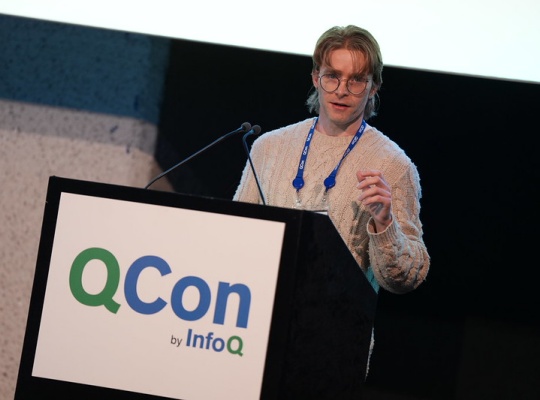
Alex Good discusses the fragility of modern cloud-dependent apps and shares a roadmap for "local-first" software. By leveraging a Git-like DAG structure and Automerge, he explains how to move from brittle client-server models to resilient systems where data lives on-device. He explores technical implementation, rich-text merging, and how this infrastructure simplifies engineering workflows.
By Alex GoodRead on the original site
Open the publisher's page for the full experience