Presentation: The Time It Wasn't DNS
Our take
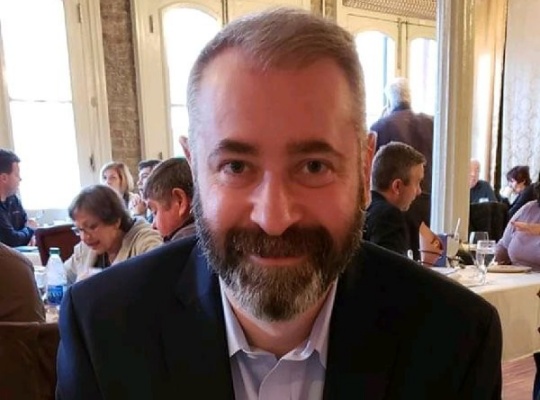
Sean Klein’s presentation on the Azure WAN outage and the pitfalls of attributing incidents to "human error" offers a vital corrective to a pervasive and ultimately unproductive approach to system reliability. The traditional “Five Whys” investigation, while seemingly thorough, often stops at the individual action that triggered an event, failing to address the underlying systemic vulnerabilities that allowed that action to have such widespread consequences. Klein’s focus on moving beyond blame and toward a deeper understanding of procedural and architectural weaknesses resonates strongly with the broader industry’s growing awareness of the limitations of solely focusing on individual performance. It’s a perspective mirrored in the ongoing discussions around agent-based systems, such as those explored in Sakana Fugu: Multi-Agent System as a Model, which highlight the complexities of managing distributed systems and the need for more resilient architectures. Similarly, the recent release of AWS Blocks, AWS Launches Blocks, an Open-Source TypeScript Framework Designed for AI Agents to Build Backends, underscores the increasing reliance on agent-based architectures and the need for frameworks that simplify backend development and improve overall system robustness.
The Azure outage serves as a powerful case study for why viewing incidents solely through the lens of individual fallibility is dangerous. It creates a culture of fear, discourages open reporting, and inhibits the crucial process of learning from mistakes. By instead prioritizing the identification of systemic weaknesses – inadequate monitoring, insufficient automated safeguards, or poorly defined operational procedures – engineering leaders can foster a culture of continuous improvement. This isn’t merely about preventing future incidents; it’s about building more resilient systems that actively protect engineers from making mistakes in the first place. Klein’s emphasis on designing systems with built-in safety nets, rather than relying on individuals to consistently avoid errors, reflects a progressive and ultimately more effective approach to system reliability. This shift aligns with the broader industry push for automation and observability, moving away from manual processes that are inherently prone to human error.
The implications of Klein’s message extend far beyond large cloud providers like Azure. Any organization managing complex systems, from financial institutions to healthcare providers, can benefit from adopting a more systemic approach to incident analysis. The challenge lies in overcoming the ingrained habit of seeking a single point of failure and instead embracing a more holistic perspective. This requires a cultural shift, one that prioritizes learning and improvement over assigning blame. It also necessitates investment in robust monitoring tools, automated safeguards, and well-defined Standard Operating Procedures. The effort to streamline processes and reduce complexity, as demonstrated by Lucide’s recent release of version 1.0, Lucide Releases Version 1.0, Removing Brand Icons and Cutting Bundle Size for Millions of Projects, exemplifies a proactive approach to reducing potential points of failure.
Ultimately, Sean Klein's presentation highlights a critical evolution in how we approach system reliability. Moving beyond the simplistic notion of "human error" to embrace a more nuanced understanding of systemic vulnerabilities is not just a best practice—it's a necessity in an increasingly complex technological landscape. As systems continue to grow in scale and complexity, the ability to design resilient systems that protect engineers, not just from themselves, but from unforeseen interactions and cascading failures, will become paramount. The question now is: how can organizations effectively implement these principles across their entire engineering ecosystem, fostering a culture of proactive resilience rather than reactive blame?
Sean Klein discusses why "human error" is a dangerous myth in complex systems. Sharing the inside story of Azure’s 2023 global WAN outage, he explains how modern incident analysis looks past the "Five Whys" to uncover systemic issues. Learn how engineering leaders can move away from blame, improve Standard Operating Procedures, and design resilient systems that actively protect their engineers.
By Sean KleinRead on the original site
Open the publisher's page for the full experience