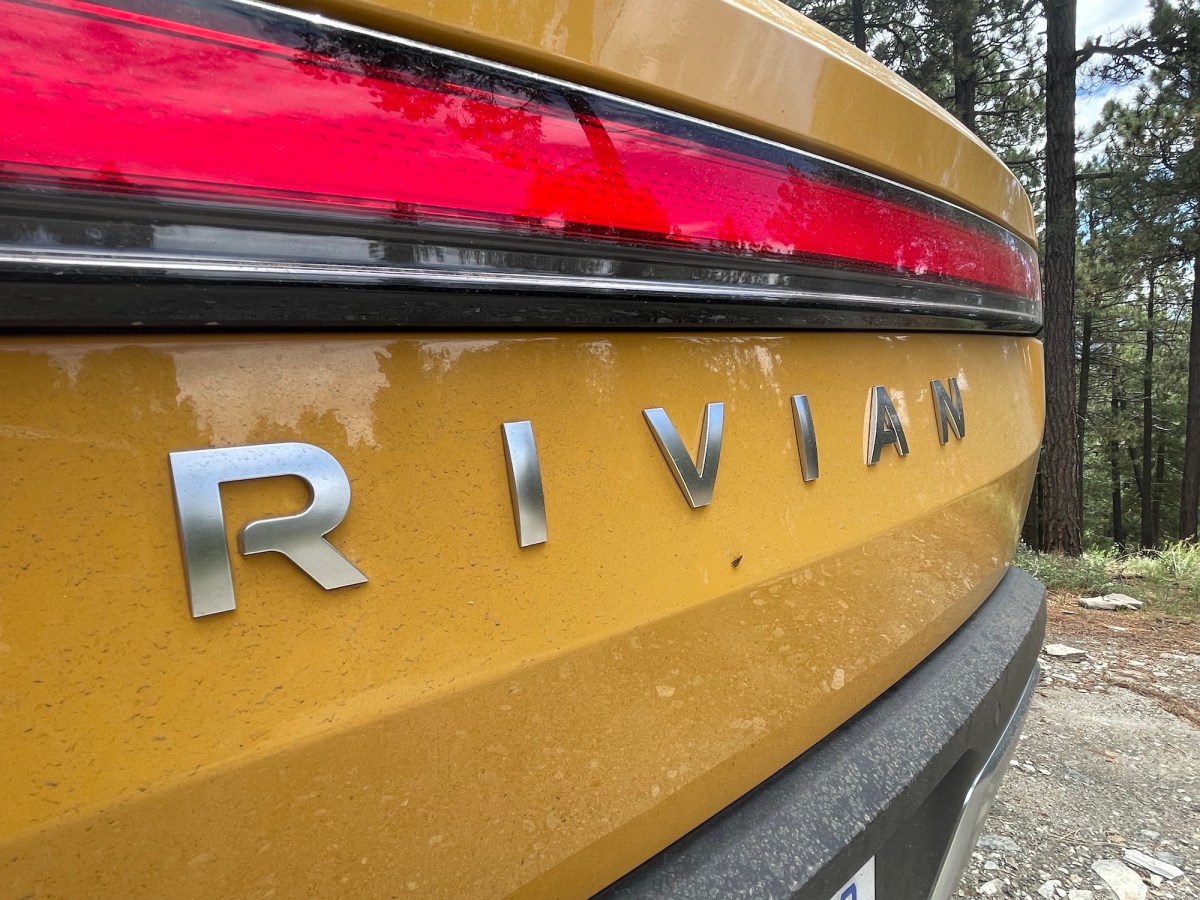
The lawsuit filed against Rivian alleging false promises regarding hands-free driving features highlights a growing tension within the automotive and AI space: the gap between aspiration and deliverable reality. It’s a familiar story, echoing the broader anxieties around AI hype that we’ve been observing across industries. Consumers, understandably eager for the convenience and safety promises of autonomous driving, are increasingly wary of features marketed as “near-future” capabilities that consistently fall short. This sentiment aligns with the desire for regaining control over our time and attention, a theme explored in The smartphone era created an attention crisis. Slowtech is fixing it, where individuals are actively seeking ways to mitigate the constant demands on their focus. The Rivian case, therefore, represents more than just a legal dispute; it’s a symptom of a larger societal shift toward demanding greater accountability and transparency from companies promising transformative AI-powered experiences.
The core of the problem lies in the ambiguity surrounding the term “hands-free driving.” While Rivian has offered driver-assist features, the plaintiffs argue these weren't the robust, truly autonomous system repeatedly alluded to. This discrepancy underscores the importance of clear, precise communication regarding AI capabilities, particularly those marketed as advanced driver-assistance systems (ADAS). The rush to integrate AI into vehicles, often fueled by competitive pressures and investor expectations, can lead to overpromising and underdelivering. We've seen similar cautionary tales in other AI domains. Consider Karamo Brown’s foray into wellness with Kē, featuring an AI digital clone “Queer Eye’s” life coach Karamo Brown launches Kē, a wellness app featuring his AI digital clone; while innovative, it also raises questions about the realistic expectations users should have for AI-driven personal assistance. The recent incidents of AI tools leaking sensitive data, as detailed in Copilot searched your mailbox. LiteLLM handed out admin keys. Run this 5-check audit before your stack is next, further emphasizes the need for rigorous testing and responsible deployment, especially when dealing with complex systems operating in safety-critical environments.
This legal action isn't just about Rivian; it's a potential watershed moment for the entire automotive industry. Automakers have invested heavily in ADAS and autonomous driving, and consumer trust is paramount. If companies are found to have misled consumers about the capabilities of these systems, it could have a chilling effect on adoption and spark further litigation. The consequences extend beyond financial penalties, potentially damaging brand reputation and eroding confidence in the broader promise of AI-driven transportation. Moving forward, a more measured and transparent approach to communication is crucial. Companies should focus on clearly defining the limitations of their systems and setting realistic expectations for consumers, rather than relying on hyperbolic marketing language. A shift towards emphasizing verifiable performance metrics, rather than aspirational goals, would be a significant step in the right direction.
Ultimately, the Rivian lawsuit serves as a stark reminder that innovation must be tempered with responsibility. The allure of AI's transformative potential is undeniable, but it’s essential to ground these aspirations in reality and prioritize user trust. As AI continues to permeate more aspects of our lives, the question becomes: how can we foster innovation while ensuring accountability and preventing the erosion of public confidence? The outcome of this case, and the industry's response to it, will significantly shape the future of autonomous driving and the broader landscape of AI adoption.