Satya Nadella has issued a shocking warning to companies using AI
Our take
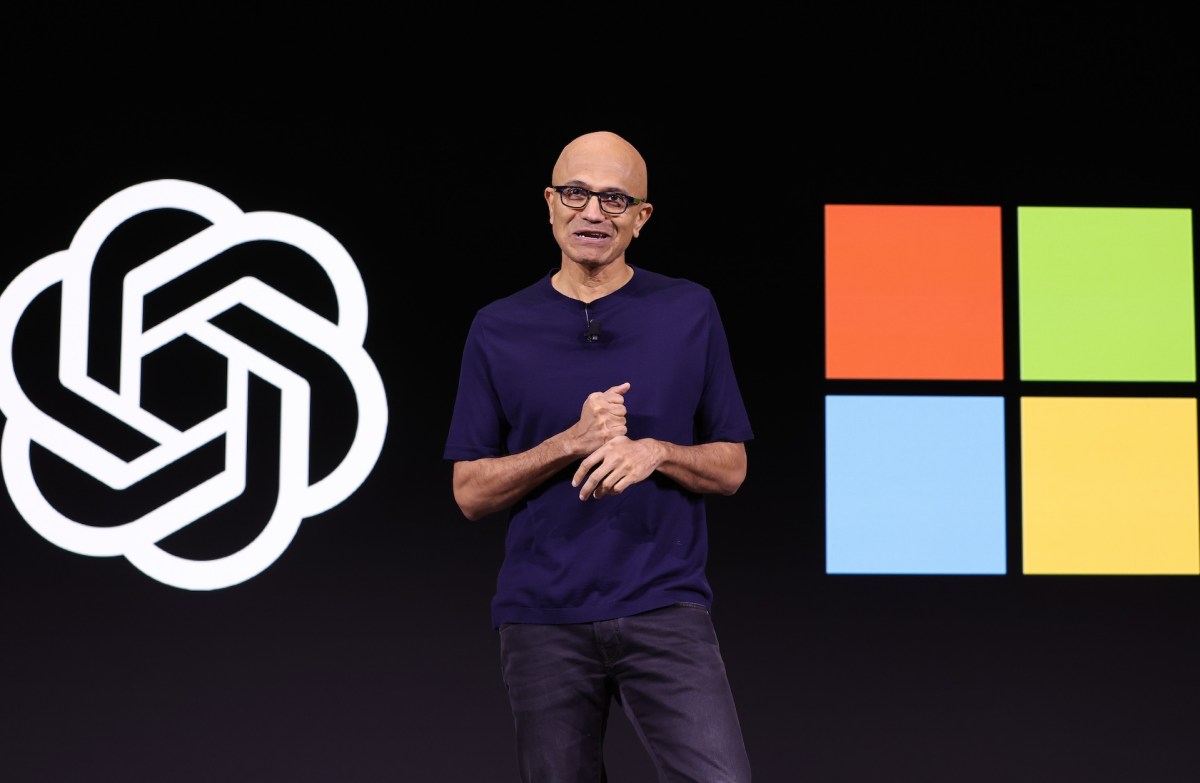
Satya Nadella’s recent warning regarding companies reliant on proprietary AI models shouldn’t be dismissed as mere corporate caution. It’s a stark acknowledgement of a growing concern within the AI community: the potential for vendor lock-in and the erosion of true innovation driven by closed-source AI ecosystems. The worry, as the article highlights, centers around the “Trojan horse” concept – that the very tools meant to democratize AI are, in fact, subtly constructing walled gardens, limiting future adaptability and stifling broader exploration. This isn’t a new conversation; discussions around open-source AI models and the importance of data portability are gaining traction, evidenced by articles like The AI Arms Race is About to Heat Up and Why Open Source AI is Vital. The core issue isn’t necessarily the quality of the proprietary models themselves – many are undeniably impressive – but rather the long-term implications of tethering an organization's data strategy and workflows to a single vendor's proprietary infrastructure.
The significance of Nadella’s statement lies in his position – the CEO of Microsoft, a major player in both the AI model development space (through its partnership with OpenAI) and a provider of widespread cloud infrastructure. He's not simply voicing a theoretical concern; he is pointing out a strategic vulnerability that impacts a vast number of businesses. The appeal of readily available, powerful AI models is undeniable, especially for organizations lacking the resources to build their own from scratch. However, this convenience comes with a price. Dependence on proprietary models can limit customization options, restrict access to underlying data, and ultimately create a situation where companies are at the mercy of the vendor’s roadmap and pricing decisions. Consider the increasing focus on data sovereignty and regulatory compliance; relying on a black-box AI model hosted by an external provider can create significant legal and operational hurdles. This situation is analogous to the early days of cloud computing, where organizations initially embraced SaaS solutions for their ease of use but later faced challenges related to data migration and vendor lock-in. As explored in Microsoft's AI Strategy: Open Source and Hybrid Cloud, Microsoft itself is actively pursuing a hybrid approach, recognizing the need for both proprietary and open-source solutions.
The broader impact of this development is a shift in the power dynamic within the AI landscape. It encourages a more critical evaluation of the trade-offs between ease of use and long-term flexibility. Organizations are now compelled to consider the potential risks of over-reliance on proprietary models and to explore alternative approaches, such as fine-tuning open-source models or building hybrid AI solutions that combine proprietary and open-source components. This, in turn, could spur innovation in areas such as federated learning, which allows models to be trained on decentralized data without requiring data to be moved to a central location, and model portability tools that facilitate the migration of models between different platforms. The emphasis will likely shift from simply acquiring the “best” AI model to strategically integrating AI into existing workflows in a way that minimizes vendor lock-in and maximizes adaptability. It's a move towards a more mature and nuanced understanding of AI adoption, one that prioritizes long-term value over short-term gains.
Looking ahead, the key question is whether this warning will catalyze a broader movement towards greater transparency and interoperability within the AI ecosystem. Will vendors respond by offering more open APIs and data access options? Will organizations proactively diversify their AI toolsets to mitigate vendor risk? Or will the allure of readily available, powerful proprietary models continue to outweigh the concerns about long-term flexibility? The answer will likely shape the evolution of the AI landscape for years to come, determining whether AI remains a tool for empowerment or a source of dependency.
Read on the original site
Open the publisher's page for the full experience