Saudi prince buys 5% stake in Lucid Motors
Our take
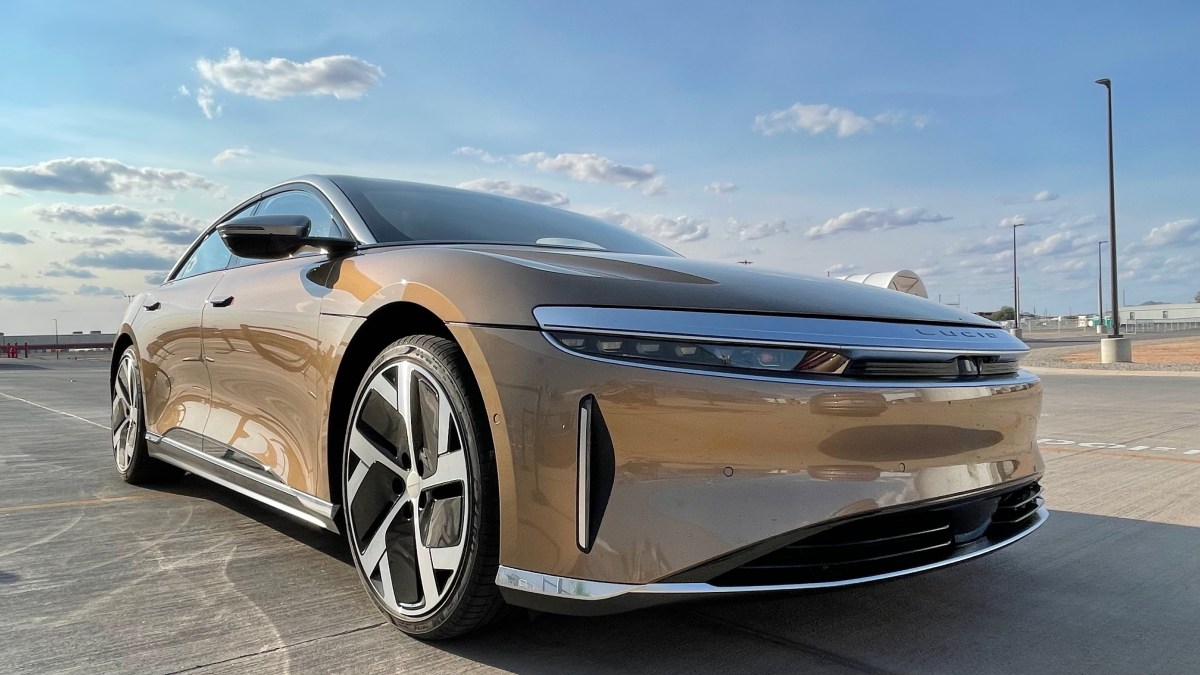
The recent acquisition of a 5% stake in Lucid Motors by a Saudi prince injects a new layer of complexity into the already turbulent electric vehicle landscape. While Lucid has publicly dismissed speculation of a potential privatization – a move that would take the company off the public stock market – the investment itself signals a significant shift in strategic interest. Saudi Arabia's Public Investment Fund (PIF) has already been a substantial investor in Lucid, and this further investment, while seemingly modest on the surface, fuels ongoing conversations about the Kingdom’s ambitions within the EV sector. It’s worth noting the broader context of Saudi Arabia’s Vision 2030, a strategic framework aimed at diversifying the nation’s economy away from oil dependency—a move that clearly includes significant investment in emerging technologies like electric vehicles and battery production. Bloomberg Analysis on Saudi Investment provides a deeper dive into the financial implications, while Reuters Report on Lucid's Challenges highlights the operational hurdles Lucid currently faces.
The timing of this investment is particularly noteworthy. Lucid has been grappling with production challenges, increasing operating costs, and a need to demonstrate consistent profitability. Like many EV manufacturers, they've faced headwinds from rising interest rates and softening consumer demand in certain segments. The Saudi investment, regardless of privatization intentions, offers a crucial lifeline. It provides a buffer against short-term financial pressures and reinforces Saudi Arabia's commitment to Lucid's long-term viability. The move also speaks to a broader trend of sovereign wealth funds globally increasing their investments in strategic technology sectors. These funds often operate with a longer investment horizon than traditional venture capitalists, providing stability and a willingness to weather short-term volatility. Furthermore, Lucid’s technology, particularly its battery technology, is highly regarded within the industry, making it an attractive asset for a nation seeking to establish itself as a leader in clean energy.
Beyond Lucid’s immediate situation, this development has implications for the entire EV ecosystem. It suggests that established automakers and smaller EV startups alike will continue to attract investment from sovereign wealth funds and other strategic investors looking to capitalize on the energy transition. The potential for Lucid to be taken private, while denied, highlights the ongoing debate about whether the current public market environment is conducive to the growth of capital-intensive EV companies. Many argue that the pressure to deliver quarterly results is stifling innovation and hindering long-term investment in crucial areas like battery research and infrastructure development. Wall Street Journal on EV Investment Trends offers a broader perspective on these trends. The acquisition also underscores the increasing geopolitical significance of the EV sector, as nations compete to secure access to critical resources and establish leadership in this transformative industry.
Looking ahead, the key question remains: what is Saudi Arabia's ultimate strategic goal with Lucid? While a denial of privatization is currently in place, the possibility cannot be entirely dismissed. Will the Kingdom leverage its increased stake to influence Lucid’s strategy, potentially guiding it towards specific technologies or markets aligned with Saudi Arabia’s national interests? Or will this investment primarily serve to shore up Lucid’s financial stability and accelerate its path to profitability? The interplay between Lucid’s operational performance, Saudi Arabia’s broader energy transition goals, and the evolving dynamics of the global EV market will be crucial to watch in the coming months, potentially reshaping the competitive landscape of the automotive industry.
Read on the original site
Open the publisher's page for the full experience