Snap says its $400M deal with Perplexity ‘amicably ended’
Our take
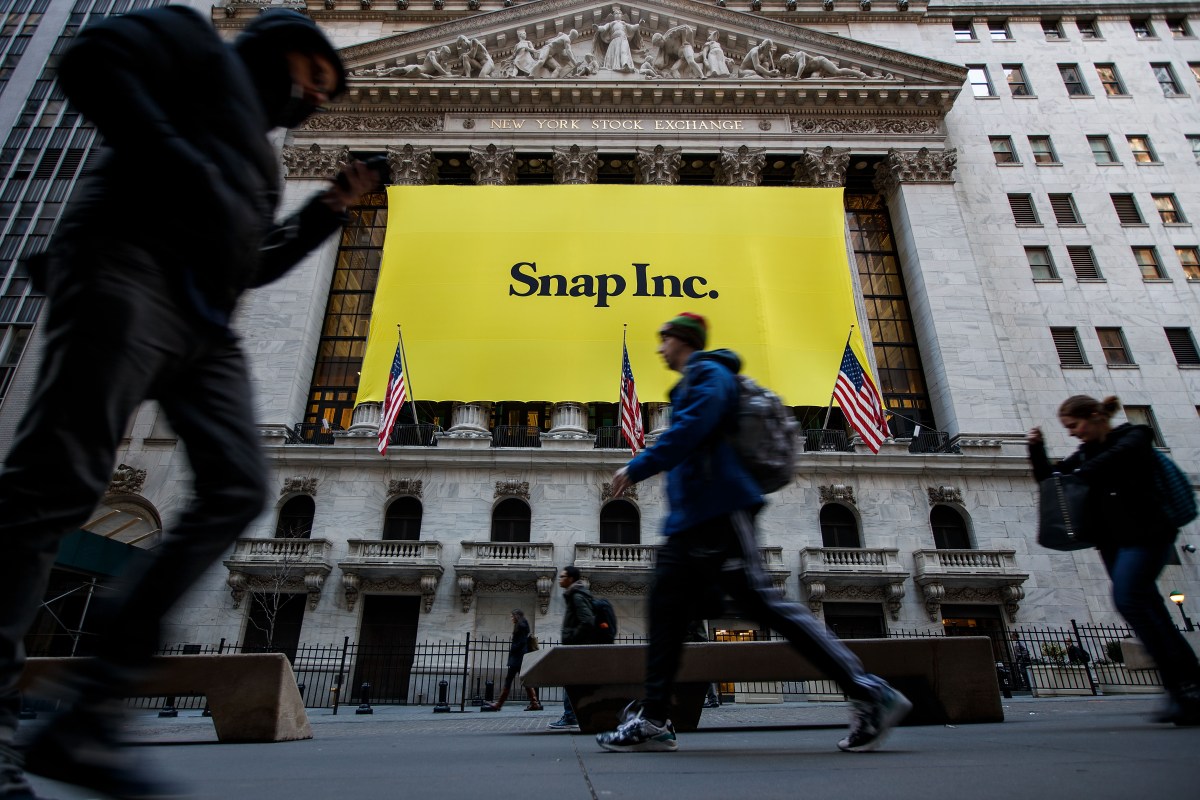
In the ever-evolving tech sphere, Snapchat's recent decision to 'amicably end' its $400 million deal with AI search engine Perplexity has sparked considerable interest. This move, which would have seen Perplexity's AI search engine integrated directly into Snapchat, underscores a significant moment in the tech industry's ongoing narrative of mergers, acquisitions, and strategic realignments. Here, we'll explore the implications of this development, considering how such decisions reflect broader trends in technology and user expectations.
The proposed $400 million integration was more than just a financial transaction; it was a strategic pivot aimed at blending Snapchat's vast user base with Perplexity's AI-driven search capabilities. This amalgamation promised to revolutionize the way users interact with information on Snapchat, potentially setting a new standard for AI integration in social media platforms. Such a merger could have significantly enhanced user engagement, offering personalized search results and a more immersive experience within Snapchat's ecosystem.
However, the decision to end this deal amicably raises questions about the evolving landscape of AI and user expectations. As we've witnessed with Simplifying a task assignment process, where 2000 tasks are broken up among 10 workers and the increasing demand for AI tools that streamline complex processes, the tech industry is seeing a shift towards more integrated, AI-powered solutions. These solutions are not only transforming how we manage work but are also influencing how we consume information and interact with digital platforms. The cancellation of the Snapchat-Perplexity deal signals a recalibration in this space, possibly indicating that while AI integration is a trend, the specifics of how and when it occurs are subject to rapid change.
Moreover, the tech community is abuzz with discussions on how to harness AI not just for efficiency but for creating more meaningful and personalized user experiences. This is exemplified in the ongoing quest to create memorable posters for top-tier conferences, where the blend of AI and creativity is sought to produce impactful visual content. Similarly, there's a growing interest in using AI to illustrate complex financial concepts like tax brackets, making information more accessible and understandable. These examples highlight the broader trend of leveraging AI not just as a tool for efficiency but as a means to enhance clarity and personalization in various sectors.
In the wake of this cancellation, the question remains: What will the future hold for AI integration in social media and beyond? As we move forward, it's clear that the interplay between AI and user-centric design will continue to be a focal point. The tech industry's response to such developments will likely be driven by user demands, technological advancements, and the ever-changing digital landscape. As we navigate these waters, the ability to adapt and integrate AI in ways that truly enhance user experience will be the key to success for any platform or service.
Read on the original site
Open the publisher's page for the full experience