SoftBank’s CEO isn’t the only one with questions about Elon Musk’s orbital data center hype
Our take
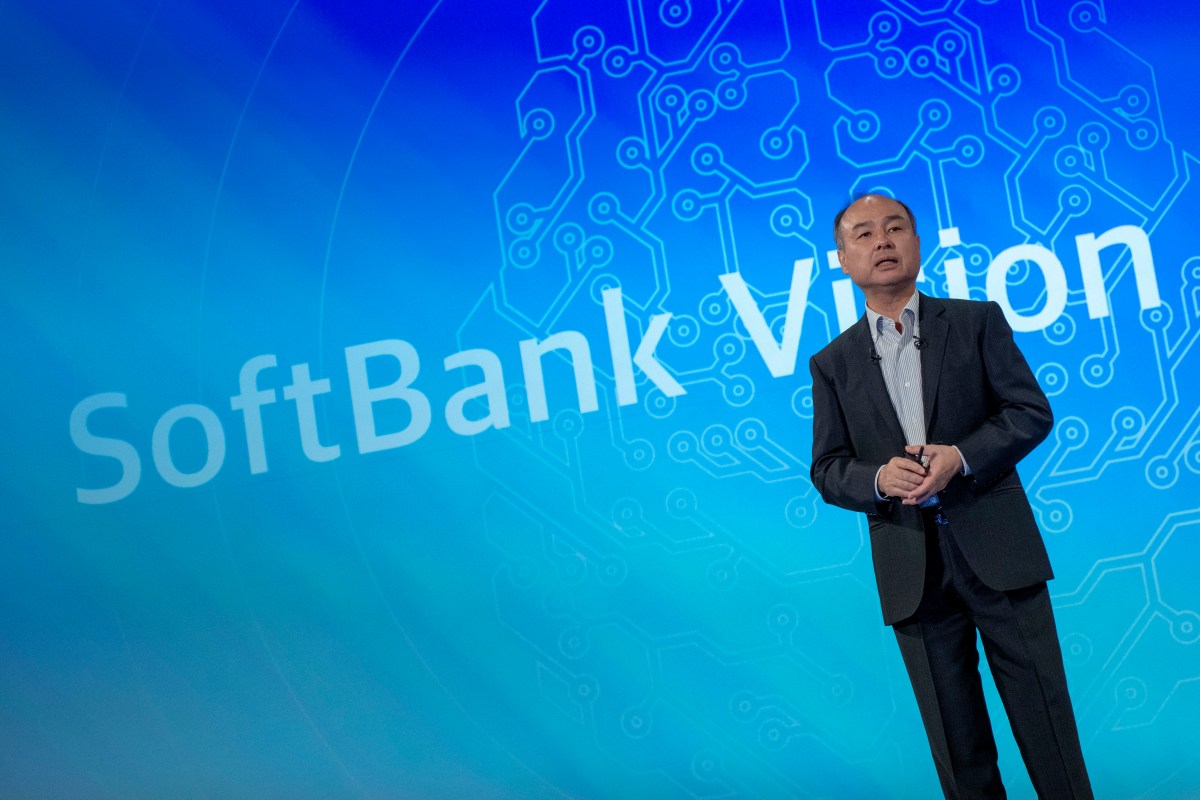
The skepticism surrounding Elon Musk’s ambitious plan to build data centers in Earth orbit, as highlighted by SoftBank’s CEO, reflects a growing awareness of the practical and economic hurdles involved. While the concept of leveraging the unique advantages of space – reduced latency and potentially greater processing power due to vacuum conditions – is intriguing, the reality of implementation presents a significant challenge. It’s easy to get caught up in the allure of futuristic visions, especially when presented by a figure like Musk, but a grounded perspective is essential. The sheer complexity of transporting and maintaining equipment in space, coupled with the exorbitant costs associated with launch and operations, raises serious questions about the viability of this endeavor, at least in the near term. It's a fascinating thought experiment, but one that requires significantly more rigorous examination than the current hype suggests. We’ve seen similar ambitious projects face unexpected roadblocks; consider the complexities explored in [How to Build a Powerful LLM Knowledge Base], which demonstrates that even seemingly simple AI tasks require substantial groundwork and infrastructure – scaling that to orbit introduces exponentially more challenges. The recent movement of talent, like the [Apple Vision Pro exec is reportedly leaving for OpenAI], also underscores the shifting priorities within the tech landscape, with many focusing on more immediate, Earth-bound applications.
The core issue isn't necessarily the *possibility* of orbital data centers – physics doesn’t preclude it – but the *economics* and the *timing*. Currently, the cost per computation in space is orders of magnitude higher than on Earth. While reduced latency is a compelling benefit for applications like financial trading or real-time gaming, the cost-benefit analysis simply doesn't add up for most use cases. Moreover, the fragility of space-based hardware and the difficulty of repairs introduce significant operational risks. We’re still in the early stages of developing reliable and affordable space infrastructure. The focus, for now, should remain on optimizing terrestrial data centers and exploring edge computing solutions closer to users. The application of AI in fields like healthcare, as seen in [The fittest founder in the room got cancer. Here’s how he used AI to fight back.], demonstrates the more immediate and tangible benefits of AI innovation, and represents a far more accessible avenue for impactful progress than orbiting supercomputers. It’s a testament to the power of leveraging existing tools and infrastructure to solve real-world problems.
This isn’t to dismiss Musk’s vision entirely. Space-based computing could become a reality in the long term, particularly as launch costs continue to decrease and new technologies emerge, such as in-space manufacturing and robotic assembly. However, the current enthusiasm appears premature. The resources required to pursue orbital data centers could be better allocated to addressing more pressing challenges in areas like AI infrastructure, data accessibility, and algorithmic bias. It’s crucial to differentiate between ambitious goals and practical, achievable milestones. The current discourse around orbital data centers risks diverting attention and investment from projects with a more immediate and demonstrable impact. The hype cycle often outpaces technological readiness, and this situation appears to be a prime example.
Ultimately, the debate around orbital data centers highlights a broader tension in the tech industry: the balance between audacious innovation and pragmatic execution. While bold visions are essential for driving progress, they must be grounded in a realistic assessment of feasibility and resource allocation. The questions raised by SoftBank’s CEO are valid and deserve careful consideration. The focus should be on building a robust and accessible data ecosystem here on Earth, while cautiously exploring the potential of space-based computing in the decades to come. What’s truly worth watching is whether the development of more efficient and cost-effective space transportation technologies will eventually tip the scales, making orbital data centers a compelling economic proposition, or if they remain a fascinating, but ultimately distant, possibility.
Read on the original site
Open the publisher's page for the full experience