SpaceX valuation balloons to $2.6T, briefly passes Amazon
Our take
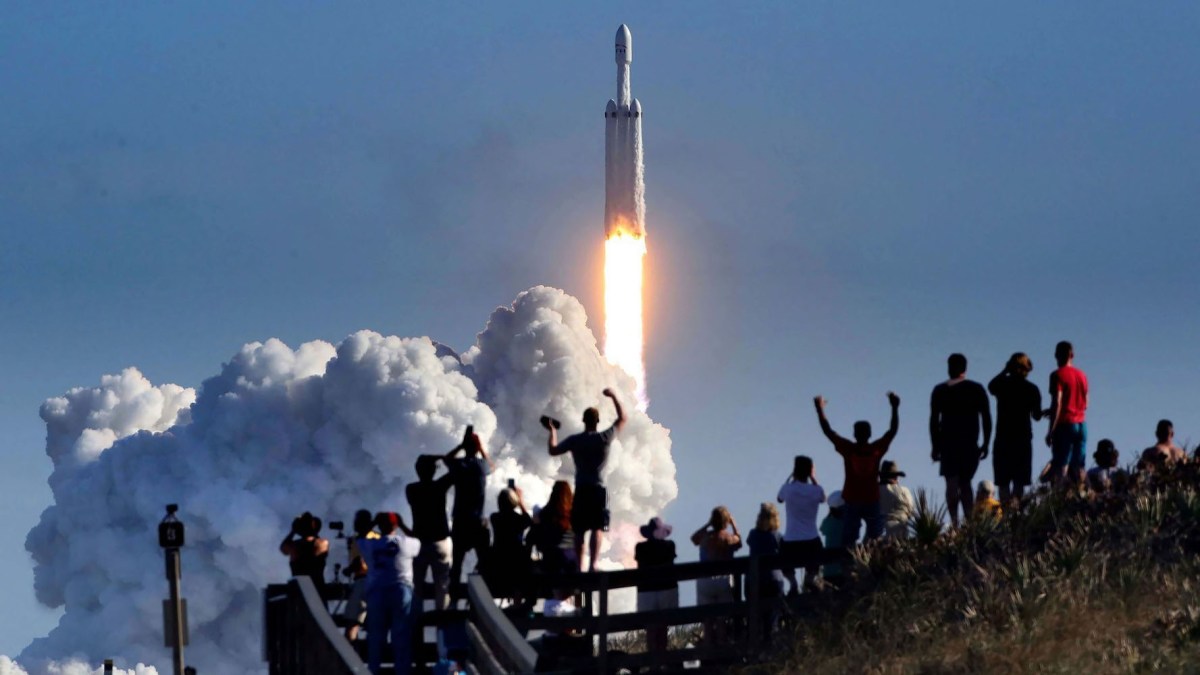
The recent surge in SpaceX’s valuation, briefly eclipsing Amazon's market capitalization, isn’t merely a headline – it’s a significant inflection point in the evolution of both the space industry and the broader investment landscape. A $1 trillion increase in valuation since shares began trading underscores a powerful narrative: the future of space exploration and utilization is increasingly viewed as a viable, and potentially incredibly lucrative, economic engine. This rapid ascent highlights a shift away from space as primarily a government-funded endeavor to a realm increasingly driven by private innovation and commercial opportunity. For those tracking the interplay of technology and finance, this development warrants careful consideration, particularly in light of recent discussions around the challenges and opportunities of space-based internet infrastructure; see SpaceX Starlink Faces Regulatory Hurdles for a deeper dive into those complexities. Furthermore, the increased valuation speaks to investor confidence in Elon Musk's multi-faceted approach, encompassing not just rocketry and satellite deployment but also ambitions regarding Mars colonization and other long-term, high-risk, high-reward projects.
The sheer scale of this valuation jump demands a closer look at the underlying drivers. While Musk’s charisma and brand undoubtedly play a role, the core valuation is predicated on SpaceX’s demonstrable successes - reusable rockets, rapidly expanding Starlink constellation, and lucrative contracts with NASA and other government agencies. These achievements aren’t just technological feats; they represent a fundamental reduction in the cost of accessing space, unlocking a wave of potential applications ranging from satellite internet to space tourism and, eventually, resource extraction. This accessibility is a key differentiator, moving beyond the era where space ventures were the exclusive domain of nation-states. Compare this to the historical context of space exploration, where billions were spent with uncertain returns. Today, SpaceX's model, blending government contracts with commercial ventures, is proving remarkably effective at generating value. We've previously explored the competitive landscape within the private space sector, noting the emerging challenges from companies like Blue Origin; see Blue Origin’s Orbital Launch Plans Face Delays. However, SpaceX’s current momentum is undeniable.
Beyond the immediate financial implications, this valuation signals a broader cultural shift. The idea of humanity becoming a multi-planetary species, once relegated to science fiction, is now being actively pursued by a private company with the resources and technological capabilities to make meaningful progress. This isn't about abandoning Earth, but about diversifying risk and unlocking new frontiers of scientific discovery and economic potential. The increasing investor appetite for space ventures suggests a growing recognition of the long-term value – and the potential for transformative change – that space exploration offers. The implications extend beyond purely commercial considerations; advancements in rocketry and space technology invariably spill over into other sectors, driving innovation in materials science, robotics, and artificial intelligence. Space exploration, therefore, isn’t just about reaching for the stars; it’s about advancing human capabilities here on Earth. The ripple effects of SpaceX's success are likely to reshape industries for decades to come, furthering discussions around space law and international cooperation – consider this analysis of The Growing Need for Space Law Reform.
Looking ahead, the question isn’t *if* SpaceX will continue to innovate, but *how* it will navigate the challenges that lie ahead. Regulatory hurdles, increasing competition, and the inherent risks of space travel remain significant obstacles. Maintaining this extraordinary growth trajectory will require not just technological prowess but also astute financial management and a capacity to adapt to an evolving geopolitical landscape. The next year will be crucial in determining whether SpaceX can sustain this valuation and truly deliver on its ambitious vision for the future of humanity in space, or if this represents a market correction waiting to happen. Will the valuation prove sustainable, or is it a reflection of speculative enthusiasm that will eventually temper?
Read on the original site
Open the publisher's page for the full experience