Top 10 Python Libraries for Data Engineering in 2026
Our take
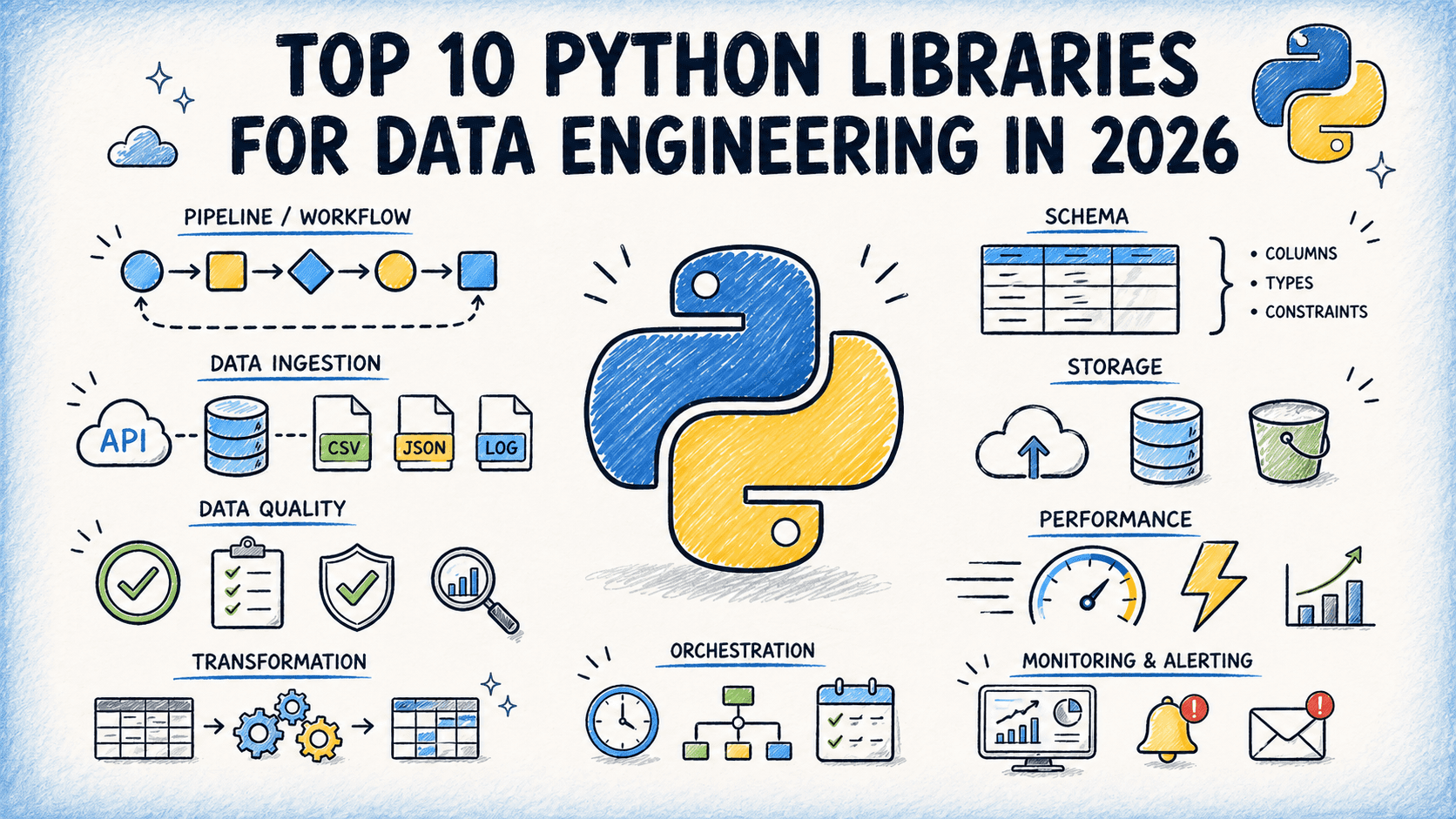
In a rapidly evolving data landscape, the importance of a robust toolkit for data engineering cannot be overstated. The recent article titled "Top 10 Python Libraries for Data Engineering in 2026" highlights a selection of libraries designed to enhance the efficiency and maintainability of data pipelines—an essential aspect for any organization looking to harness the power of data. As data teams encounter increasingly complex workflows, these libraries serve as a crucial resource for simplifying processes and improving performance. This development aligns with broader trends we see in the industry, where the adoption of innovative tools like Claude Cowork enhances collaboration and productivity, while techniques like Grounding LLMs with Fresh Web Data showcase the necessity for real-time data in reducing inaccuracies in machine learning models.
The article doesn't just list libraries; it provides a roadmap for data engineers aiming to stay ahead of the curve. By choosing the right tools, professionals can significantly reduce the time spent on mundane tasks and focus on strategic initiatives that drive value. This emphasis on efficiency is particularly relevant as companies face increasing pressure to deliver insights faster and with greater accuracy. The focus on cleaner and easier-to-maintain pipelines aligns well with the principles discussed in our piece on Introduction to Lean for Programmers, where reducing waste and enhancing productivity are paramount. Data engineers can leverage these principles alongside modern libraries to create workflows that are not just effective but also sustainable.
Moreover, the significance of these advancements extends beyond individual projects; they reflect a paradigm shift in how organizations approach data engineering as a whole. As traditional methods become increasingly outdated, embracing these innovative libraries can empower teams to redefine their workflows. The growing reliance on AI and automation in data tasks signals that organizations need to adapt or risk falling behind. This evolution is not merely about adopting new tools but about fostering a culture of continuous improvement and exploration within data teams.
Looking forward, the question arises: What will be the next frontier for data engineering tools? As the capabilities of Python libraries expand, we can expect to see more integration with AI technologies that offer predictive analytics and real-time insights. This could lead to an environment where data engineering not only supports decision-making but actively shapes strategic directions. The evolution of these tools will likely continue to transform data management, making it an exciting time for professionals in the field.
In conclusion, the insights provided in the article about Python libraries for data engineering are not just useful for immediate implementation; they serve as a catalyst for broader discussions about the future of data workflows. As we continue to explore and adopt these innovative solutions, we must remain open to how they can redefine our understanding of data as a dynamic asset rather than a static resource. The future of data engineering is bright, and staying informed about these developments will empower teams to navigate this ever-changing landscape effectively.
Read on the original site
Open the publisher's page for the full experience