Version Controlled SQL Database Dolt Releases 2.0 with Automatic Storage Cleanup and Compression
Our take
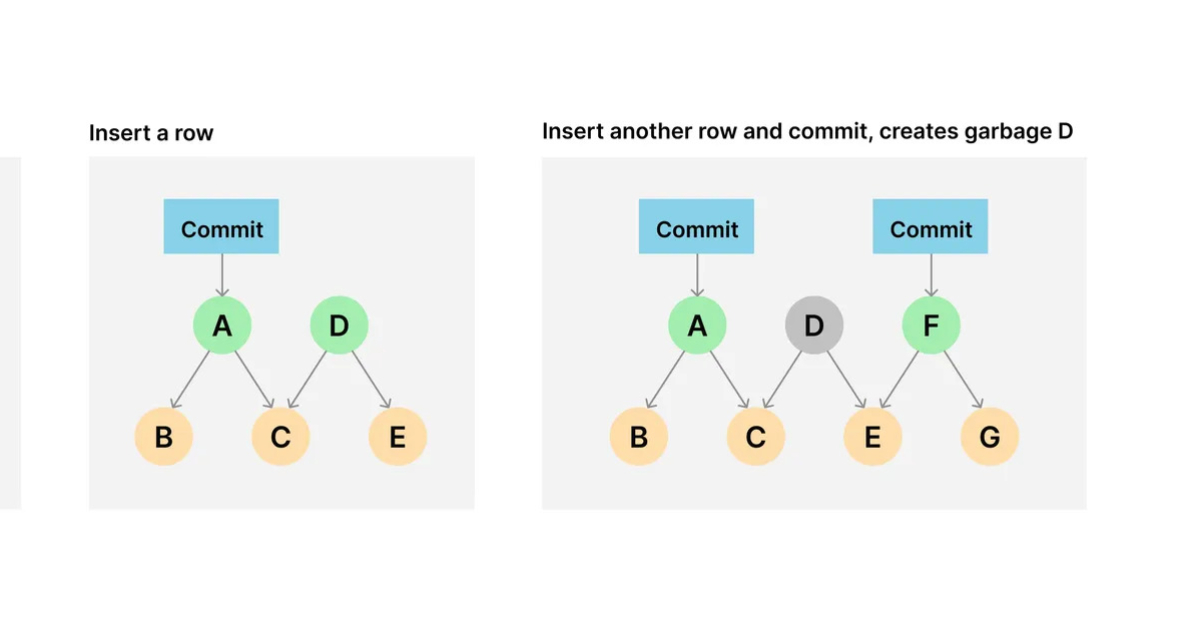
Dolt 2.0’s release represents a significant step forward in the evolving landscape of data management, and it’s a development our users – those grappling with the complexities of version control for data – should pay close attention to. The core concept of Dolt, combining the relational power of SQL with the familiar workflows of Git, has always been compelling. However, practical adoption has often been hampered by the realities of data storage and performance, particularly as datasets grow. This update directly addresses those concerns with the introduction of automatic storage optimization, including garbage collection and compression. This isn't just a nice-to-have; it's a foundational improvement that lowers the barrier to entry for teams wanting to leverage version control for their databases. For those already experimenting with data versioning, especially those seeking alternatives to traditional database deployments, Dolt’s evolution directly answers a key practical need. Similar discussions around the future of data infrastructure often highlight the importance of composability and portability, concepts that Dolt inherently supports. We've previously explored the challenges of data silos and the need for more flexible architectures in The Data Mesh Revolution, and Dolt 2.0’s efficiency gains make realizing that vision more attainable.
The addition of improved support for large and vector data types is equally crucial. Modern data analysis increasingly relies on handling substantial datasets and complex, high-dimensional data – think embeddings for machine learning models or geospatial data. Previous limitations in these areas could make Dolt a less appealing choice for these use cases. By broadening its capabilities, Dolt positions itself as a more versatile tool for a wider range of applications. This enhancement aligns with the broader trends we’ve observed in the data science community, where the need for robust and version-controlled data pipelines is becoming increasingly apparent. This is particularly relevant given the growing concern over data reproducibility and the ability to track changes to datasets used in machine learning models, as discussed in Reproducibility in Machine Learning. The combination of version control, efficient storage, and expanded data type support creates a powerful foundation for building reliable and auditable data-driven workflows. Dolt 2.0 elevates the project from a promising experiment to a genuinely viable solution for data-centric teams.
Beyond the specific technical improvements, Dolt's open-source nature and Git-centric design contribute to its appeal. The ability to use familiar Git workflows for database management simplifies collaboration and allows teams to leverage existing DevOps practices. This lowers the learning curve and promotes faster adoption compared to proprietary solutions that often require significant retraining and process changes. Furthermore, the open-source model fosters community contributions and ensures transparency, building trust and allowing users to tailor the tool to their specific needs. This contrasts sharply with the increasingly opaque nature of many commercial data platforms, where users are often locked into vendor ecosystems. The shift towards more decentralized and open data tools is a trend we've highlighted in The Rise of Open Data Platforms, and Dolt 2.0 fits squarely within that movement. It’s a testament to the power of combining established concepts – version control and relational databases – in innovative ways.
Looking ahead, the most intriguing question surrounding Dolt is its potential to further blur the lines between databases and code. As data becomes increasingly intertwined with software development, the need for seamless integration between these two domains will only grow. Will Dolt evolve into a more comprehensive data-as-code platform, offering features beyond version control and storage optimization? Could we see deeper integrations with CI/CD pipelines and automated testing frameworks? The ongoing development of DoltHub and its ecosystem will be crucial in shaping the future of data management, and we’ll be closely watching its trajectory as it continues to mature and address the evolving needs of data-driven organizations.
DoltHub has recently released Dolt 2.0, a major update to the open source version-controlled SQL database. The latest major version adds automatic storage optimization, including garbage collection and compression, along with improved support for large and vector data types.
By Renato LosioRead on the original site
Open the publisher's page for the full experience