Walmart to finally start accepting Apple Pay and Google Pay
Our take
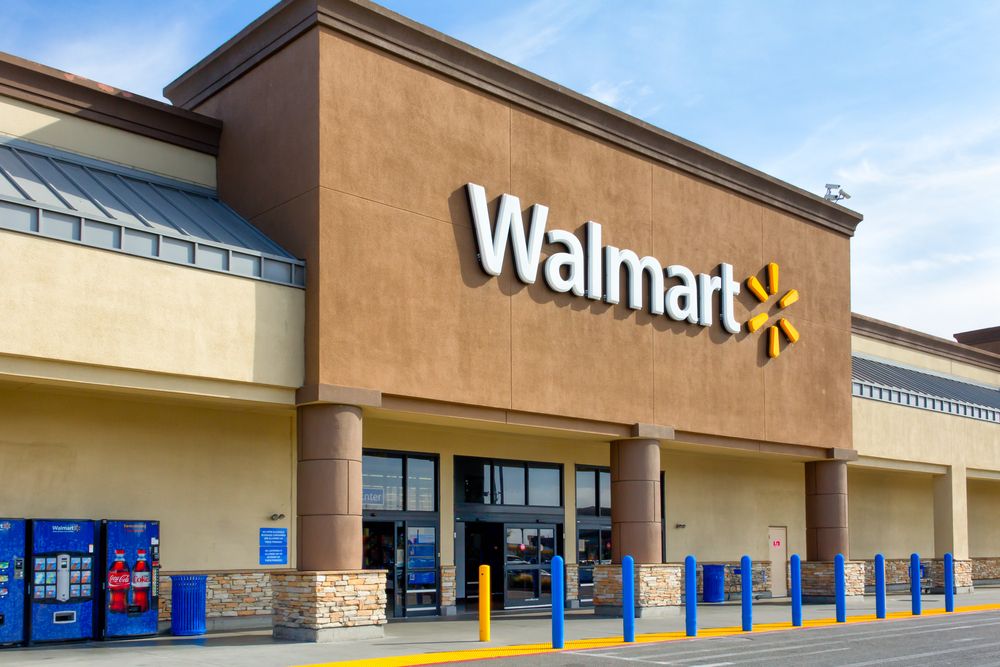
Walmart’s long-standing resistance to Apple Pay and Google Pay has finally crumbled, a development that feels genuinely surprising even in today's rapidly evolving payment landscape. For years, the retail giant maintained a strategy of encouraging customers to use its own Walmart Pay app, ostensibly to gather data and maintain control over the transaction process. This move, while understandable from a business perspective, alienated a significant portion of consumers accustomed to the convenience of mobile wallets. The decision to finally embrace these widely adopted payment methods signals a significant shift, acknowledging the changing expectations of shoppers and the increasing dominance of digital payment ecosystems. It's a move that echoes similar concessions made by other traditionally resistant retailers, demonstrating that even the largest players must adapt to consumer preferences. For those following the broader trends in fintech and retail, this development builds upon a larger shift; consider the ongoing debates around digital currencies and the evolving role of payment intermediaries, as explored in The Future of Digital Payments and the recent analysis of mobile wallet adoption rates found in Mobile Wallet Trends 2024.
The implications extend beyond mere convenience for Walmart shoppers. This pivot suggests a softening of Walmart’s data-hoarding strategy. While they will undoubtedly still collect data, integrating Apple Pay and Google Pay means relinquishing some control to these established payment processors. This isn’t necessarily a negative outcome; it’s a recognition that building and maintaining a proprietary payment system is an expensive and often inefficient endeavor, especially when the core functionality is already readily available through established platforms. Moreover, it removes a barrier to entry for potential customers who previously avoided Walmart due to the lack of preferred payment options. This shift also puts pressure on other retailers who may be clinging to outdated payment strategies. The power dynamic is clearly shifting towards consumer convenience, and those who resist risk losing market share to more adaptable competitors. The underlying reasons for the change are likely multifaceted, including pressure from payment networks, evolving regulatory landscapes, and ultimately, the desire to remain competitive in an increasingly digital marketplace.
Beyond the immediate impact on Walmart and its customers, this move reinforces the continued growth and consolidation of the mobile wallet space. Apple Pay and Google Pay have established themselves as dominant players, and Walmart’s adoption is a tacit endorsement of their widespread appeal and security. While alternative payment methods continue to emerge, these two remain the frontrunners in terms of user adoption and merchant acceptance. The decision also highlights the ongoing battle between retailers seeking to control the customer experience and the increasing demand for seamless, integrated payment solutions. It's a trade-off, and Walmart has clearly decided that the benefits of increased sales and customer satisfaction outweigh the potential loss of data control. It’s a compelling case study in the evolution of retail strategy in the age of digital payments, a trend we’ve seen previously with the slow adoption of buy-now-pay-later services, as discussed in Retail Payment Innovation.
Looking ahead, the most intriguing question is whether this represents a broader strategic realignment for Walmart. Will they continue to prioritize customer convenience over proprietary systems in other areas of their business? Will this move lead to further innovations in their in-store and online shopping experiences? The integration of Apple Pay and Google Pay is a significant step, but it’s likely just the beginning of a larger transformation. The retail landscape is constantly evolving, and Walmart's response to this latest development will be a key indicator of its long-term success. It will be particularly interesting to observe how Walmart leverages the data generated through these new payment channels—will they use it to personalize offers and improve customer service, or will they continue to prioritize data collection above all else?
Read on the original site
Open the publisher's page for the full experience