What is Agentic AI?
Our take
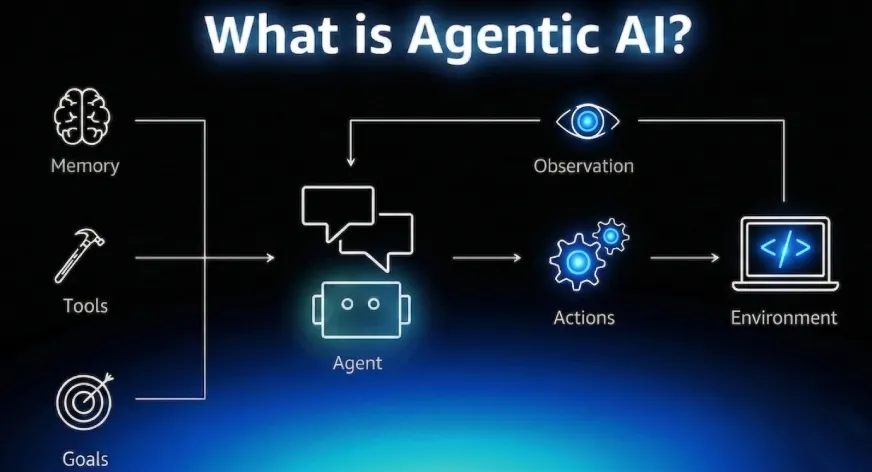
Agentic AI represents a significant leap in the evolution of artificial intelligence, moving from reactive systems to autonomous agents capable of planning and executing complex tasks with minimal human oversight. This transformative approach distinguishes agentic AI from traditional AI, which relies primarily on responding to user prompts. By enabling AI systems to think independently and make decisions throughout a process, agentic AI opens the door to innovative applications that can streamline workflows and enhance productivity. For those intrigued by the practical implications of this technology, exploring projects like 15+ Solved Agentic AI Projects with Github Links can provide valuable insights into how these systems are being implemented today.
The ramifications of agentic AI extend far beyond mere task automation. By incorporating multiple AI agents, each designed to handle specific components of a larger task, these systems can adapt in real-time to changing conditions and new information. This adaptability means that businesses can expect faster, more efficient solutions to complex problems. As organizations increasingly seek ways to optimize their operations, the shift towards agentic AI represents not just a technological advancement but a fundamental rethinking of how we approach data management and decision-making processes. The potential for improved collaboration between humans and AI is immense, as we move towards a future where technology enhances our capabilities rather than merely replacing them.
However, the transition to agentic AI is not without its challenges. As these systems gain autonomy, questions about accountability, transparency, and ethical considerations become paramount. Users must be equipped to understand how these AI agents operate, ensuring that they can trust the decisions made by these systems. This is particularly crucial in sectors like finance or healthcare, where the stakes are high. As we discuss the advancements in agentic AI, it is essential to emphasize the importance of education and awareness in this evolving landscape. By fostering a culture of understanding around these technologies, we can empower users to leverage their capabilities effectively while mitigating potential risks.
Looking ahead, the future of agentic AI invites us to consider what it means to work alongside autonomous systems. How do we measure success in a world where machines can autonomously execute tasks that were once the sole domain of human workers? The implications for workforce dynamics, productivity, and even job roles are profound. As we explore these questions, it becomes vital to maintain a human-centered approach that prioritizes user outcomes over mere technological advancements. There is much to learn and discover in this field, and engaging with the ongoing dialogue will be key to shaping a future where agentic AI complements our human capacities.
In conclusion, the emergence of agentic AI is not just a technological trend; it represents a shift in how we conceive of intelligence and automation. By embracing this change and exploring its possibilities, we can transform not only how we work but also how we understand our relationship with technology. As we navigate this exciting frontier, the question remains: how will we ensure that these advancements serve to empower us rather than alienate us from our own processes? The journey is just beginning.
Agentic AI refers to autonomous AI systems that can accomplish complex tasks with minimal human supervision. Unlike traditional AI, which reacts to prompts, agentic AI can plan, adapt, and execute actions toward a goal, making decisions throughout the process. These systems are made up of AI agents, each handling a specific part of the task, […]
The post What is Agentic AI? appeared first on Analytics Vidhya.
Read on the original site
Open the publisher's page for the full experience