With aluminum prices up 20%, recycling startups bet on AI to cash in
Our take
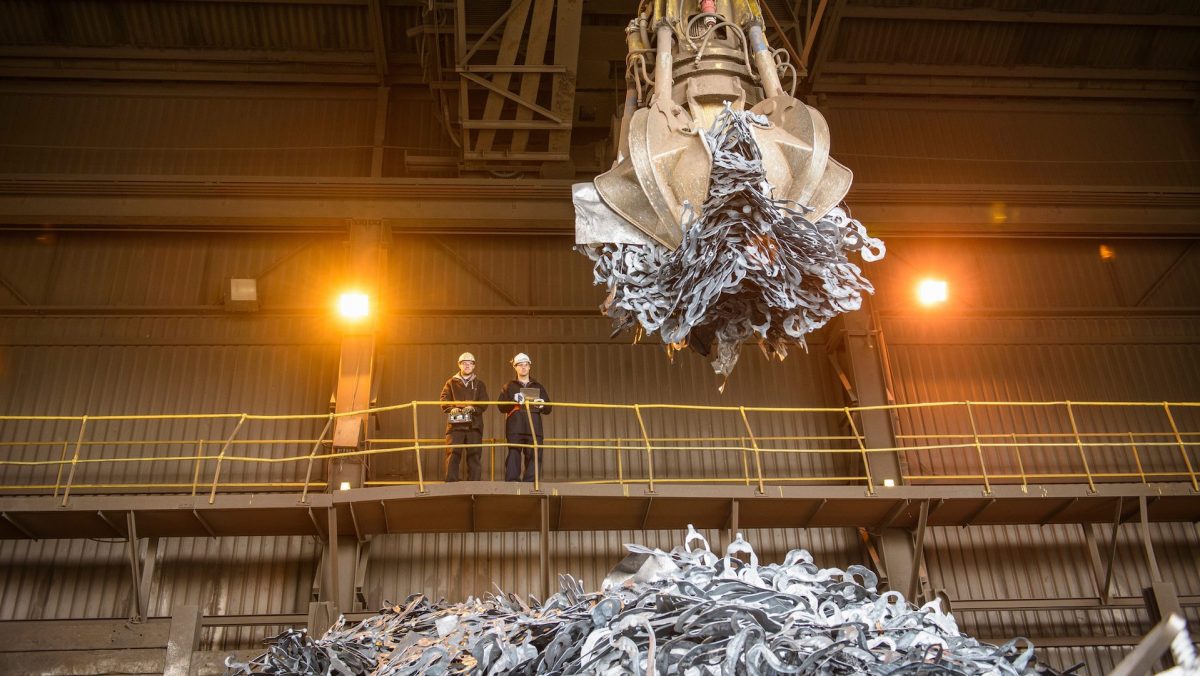
The recent surge in aluminum prices by 20% has prompted recycling startups to leverage artificial intelligence (AI) to enhance the recovery of this critical mineral. This trend reflects a broader movement towards sustainability and resource efficiency, as businesses and consumers alike are increasingly aware of the environmental impacts of resource extraction and waste. Startups that harness AI technology to streamline recycling processes not only stand to profit from rising metal prices but also contribute to a circular economy that reduces dependence on virgin materials. This development is particularly relevant in light of other innovations we’ve seen, such as Wayve’s self-driving tech is headed to US cars made by Stellantis and Google is pitching an AI agent ecosystem to consumers who may not buy it, which illustrate the increasing integration of AI across various industries.
The application of AI in recycling is particularly significant, as it addresses longstanding inefficiencies in material recovery. Traditional recycling methods often struggle to sort and process materials effectively, leading to high rates of waste and lower recovery rates. By employing AI algorithms, these startups can identify and separate aluminum from mixed waste streams more efficiently, thereby optimizing the recycling process and maximizing yield. Furthermore, the ability to analyze large datasets means that systems can continuously learn and adapt, refining their operations over time. This not only enhances productivity but also positions these companies as key players in an industry that is poised for growth as demand for recycled materials expands.
The implications of this shift extend beyond the immediate financial benefits for recycling startups. As industries increasingly adopt sustainable practices, the role of AI in managing resources and reducing environmental impact becomes ever more critical. By improving the recovery of aluminum and potentially other critical minerals, these startups not only contribute to a more sustainable supply chain but also inspire larger corporations to rethink their own resource management strategies. In a world where consumers are advocating for greener practices, companies that embrace such innovative approaches will likely gain a competitive advantage. The intersection of AI and recycling could thus become a benchmark for future sustainable practices across various sectors.
Looking ahead, it will be crucial to monitor how these advancements influence both market dynamics and environmental policies. As recycling startups continue to innovate, we may see a ripple effect that encourages traditional manufacturers to invest in similar technologies. The potential for AI to reshape recycling practices raises important questions about the future of materials management. Will we witness a paradigm shift where industries prioritize recycled inputs as much as, if not more than, virgin materials? As we explore these possibilities, it’s clear that the relationship between AI and sustainability is one worth watching closely, as it could define the future landscape of resource management.
Read on the original site
Open the publisher's page for the full experience