Trump Extends Ceasefire With Iran A Day Before Expiration, Citing ‘Seriously Fractured’ Government


US President Donald Trump has extended the ceasefire with Iran beyond its original deadline, saying the truce will remain in place until Iranian leaders present a unified proposal and negotiations are concluded.
Trump had earlier suggested the ceasefire would end on Wednesday and had indicated he was unwilling to prolong it.
But in a statement on Tuesday, he said the extension was necessary because Iran’s government was “seriously fractured” and needed more time to agree on a proposal.
He also said the decision came after requests from Pakistan’s Field Marshal Asim Munir and Prime Minister Shehbaz Sharif, who have been involved in mediation efforts.
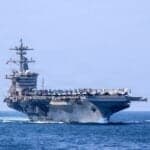
While extending the ceasefire, Trump said the US military would continue its naval blockade on Iranian ports and remain prepared for further action if talks fail.
The announcement came as plans for a second round of talks in Islamabad appeared to stall.
Vice President JD Vance had been expected to travel to Pakistan for negotiations, but reports said the trip was put on hold after Iranian negotiators informed US counterparts through an intermediary that they would not attend.
Iranian state-linked Tasnim said Tehran considered further talks pointless under current circumstances, arguing the US was preventing an acceptable agreement.
An adviser to parliament speaker Mohammad Baqer Qalibaf reportedly described the ceasefire extension as an attempt to buy time for a surprise strike.
The adviser also said the US blockade of Iranian ports was no different from bombardment and should draw a military response.
Earlier in the day, Trump said in an interview that he expected bombing to resume if Iran did not meet US demands. His later decision marked a shift in position.
The Strait of Hormuz remains central to the dispute. Iran had effectively closed the waterway when the conflict began, and Trump has said reopening the route was one of his conditions for agreeing to a ceasefire.
But shipping through the strait has remained limited. Following failed initial peace talks, the US ordered a naval blockade of Iranian ports near Hormuz, adding to concerns for tanker traffic through one of the world’s most important oil shipping routes.
Both Washington and Tehran have accused each other of violating the ceasefire. Iran has objected to the continued blockade, calling it an act of war, while the US has linked maritime restrictions to pressure on Tehran during negotiations.
The talks themselves remain difficult. Major disagreements continue over Iran’s nuclear programme and maritime access in the Gulf.
Trump recently claimed Iran had agreed to all US terms, though Iranian officials publicly disputed that, particularly over the transfer of enriched uranium.
References: AP News, CNBC
Want to read more?
Check out the full article on the original site