IMO Prepares Evacuation Plan For Hundreds Of Ships Stranded In Persian Gulf
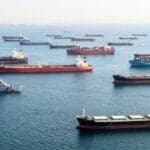


The International Maritime Organization is preparing an evacuation plan for hundreds of ships stranded in the Persian Gulf as the conflict linked to US and Israeli strikes on Iran continues to disrupt traffic through the Strait of Hormuz.
IMO Secretary-General Arsenio Dominguez said the plan would only be activated if there are clear signs of de-escalation and safe navigation can be assured.
He said the agency would also need to determine whether mines have been laid in the strait before any ships can be moved.
Around 800 ships remain stuck in the Gulf after vessel movements through Hormuz slowed sharply following the outbreak of the war.
Threats and attacks on shipping have made many shipowners unwilling to attempt a transit, although some vessels have reportedly been allowed to leave through routes approved by Iran, with payments demanded in some cases.
The situation became more difficult after the US imposed a blockade of the strait last week.
A two-week ceasefire is also due to expire later this week, adding uncertainty over whether conditions will allow any evacuation to begin.
Dominguez said discussions are underway on how vessels would depart if the plan moves ahead, including setting an order of departure based on factors such as how long crews have been stranded.
He said any transit would follow the Traffic Separation Scheme proposed by Iran and Oman and adopted by the IMO in 1968. He also said Iran has developed a system in recent weeks involving a specific route close to its coast.
The IMO is in contact with coastal states including Iran and Oman, as well as flag states, as it works to finalise the plan.
Dominguez said the proposed corridor is being designed as a humanitarian measure focused on crews rather than cargo, stressing that the priority is the safe evacuation of seafarers from the region.
The Strait of Hormuz remains one of the world’s most important shipping routes, and the continued disruption has added pressure on shipowners, crews and global trade as vessels remain unable to leave the Gulf.
Reference: Bloomberg
Want to read more?
Check out the full article on the original site