Symbiome’s Regenerative Approach Could Rewrite The Rules Of Skin Care

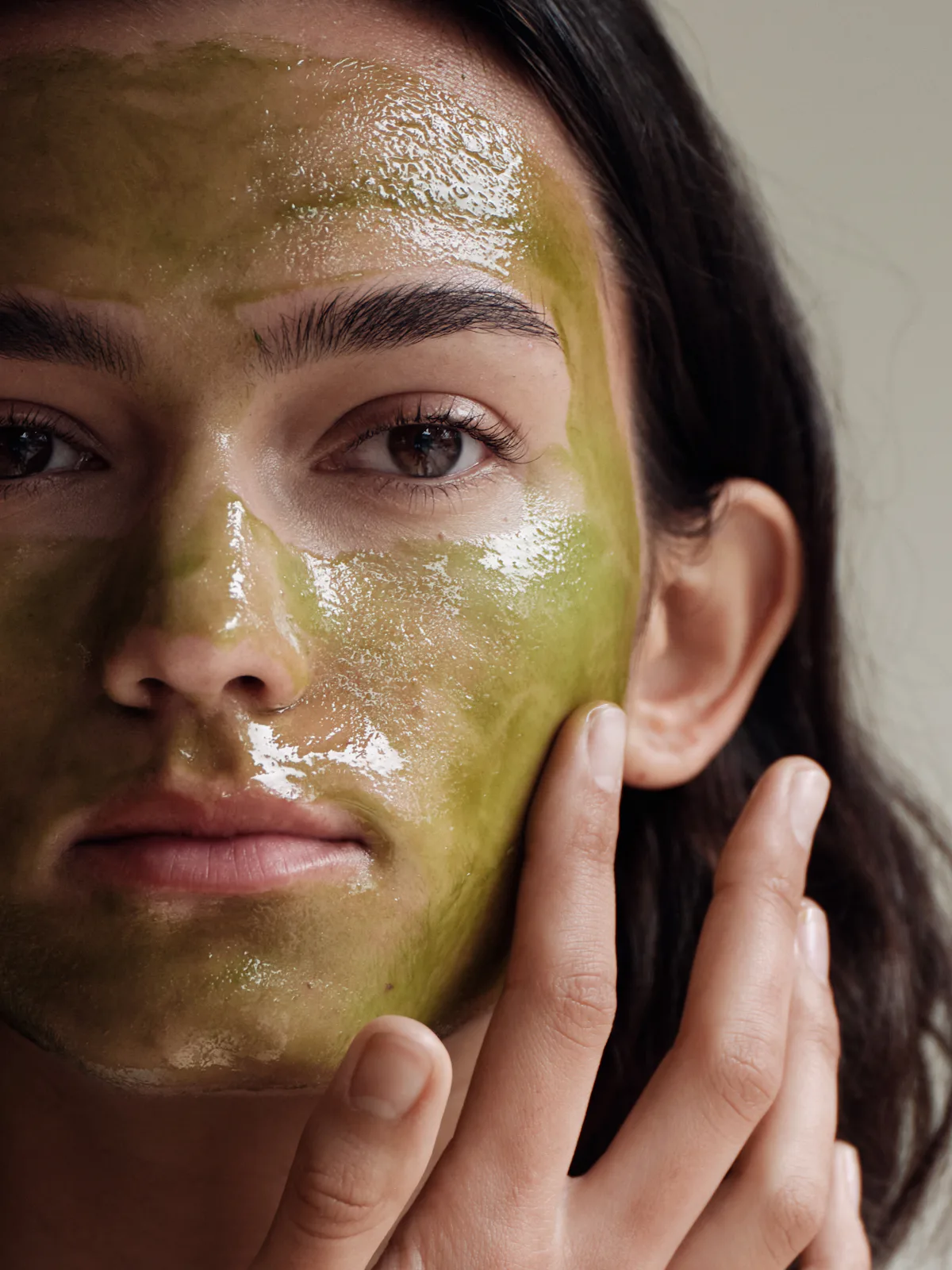
For years, sustainability in beauty has been framed as a question of reduction: less waste, fewer resources, cleaner formulas. But increasingly, a new question is emerging — what would it mean for skin care to be regenerative? In contrast to sustainability, which focuses on minimizing harm, regenerative skin care aims to restore systems, both on the skin and in the environment, back to a healthier, more resilient state. For Symbiome, that solution begins far from the lab.
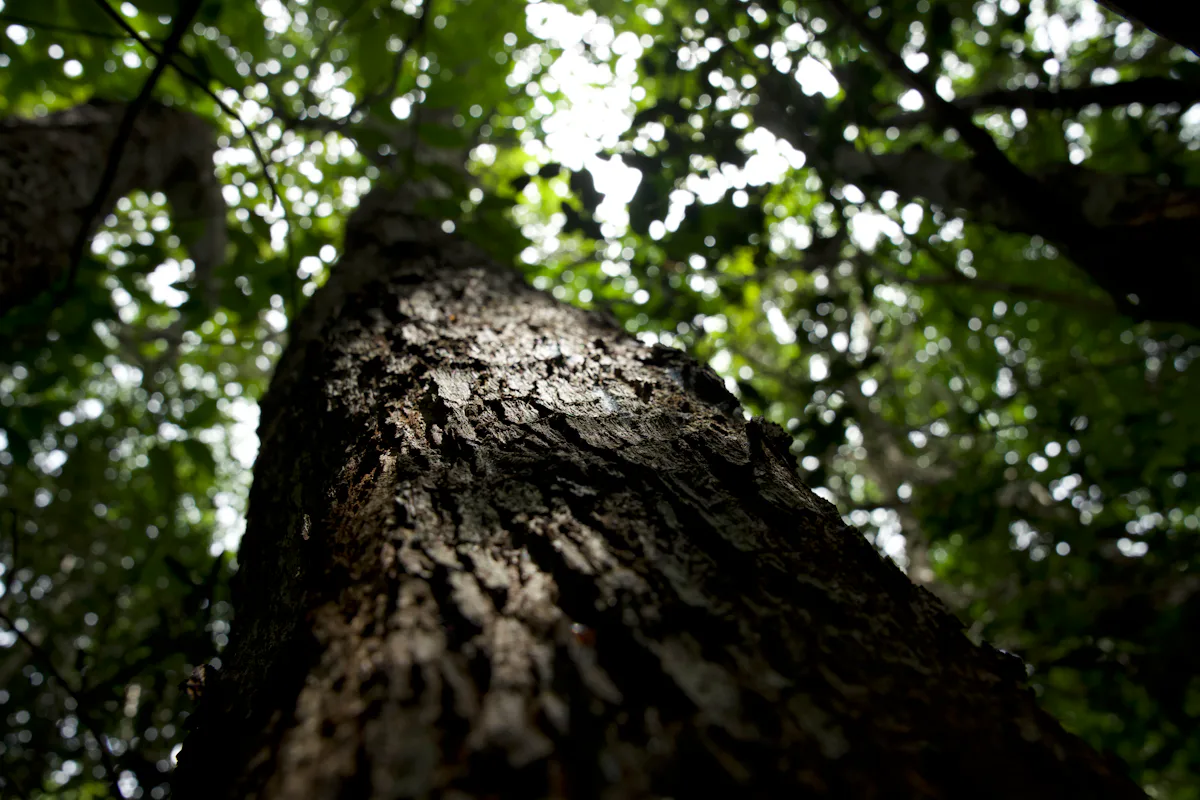
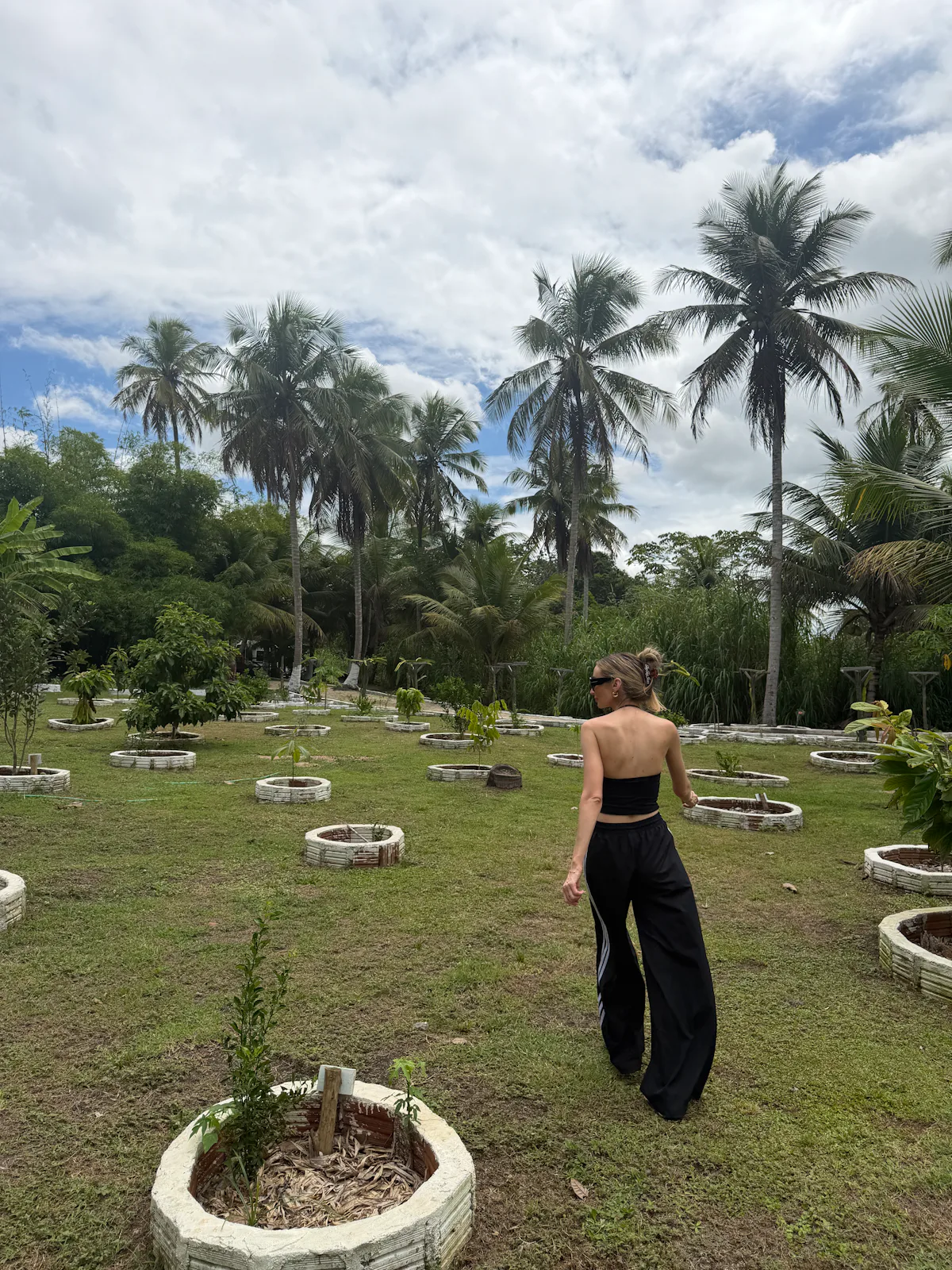
Earlier this month, the brand invited a small group of editors to visit its sourcing partner in Natal, Brazil, where its ingredients are grown and developed in collaboration with biotech company Plantus. The brand’s work is led by founder Dr. Zelita Rocha, a physician whose background spans multiple disciplines, including neurosurgery, dentistry, and pharmacology. Getting there requires roughly 15 hours of flight travel from Los Angeles, followed by a multi-hour drive inland and, eventually, a brief truck ride down narrow red clay paths that cut through dense, tropical greenery.
The setting feels intentionally remote. The air is thick with humidity, the scent of earth and vegetation constant, and the surrounding landscape largely untouched. And yet, embedded within it is a working farm and lab, one that Symbiome has helped fund and expand over the past several years.
The site includes employee facilities, Starlink-powered WiFi, and plans for a school for local families, an effort that reflects a broader ambition: not just to source ingredients from the land, but to invest in the ecosystem that sustains them.
That distinction, between extraction and regeneration, is central to the brand’s philosophy.
From The Rainforest To The Lab
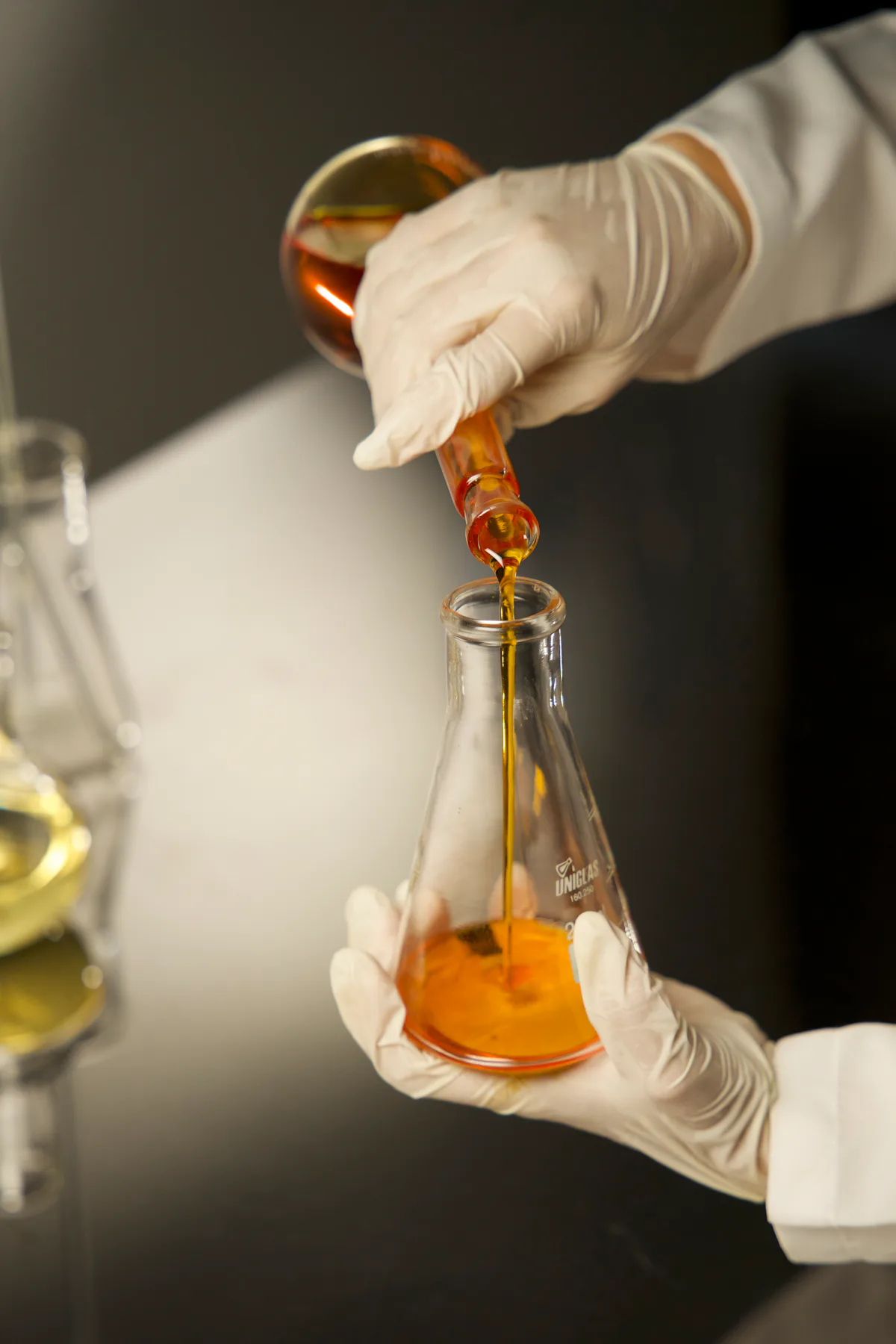
Inside the Plantus facility, access is tightly controlled. Visitors suit up in lab coats, gloves, and protective coverings before entering a sterile environment equipped with fermentation vessels, microscopes, and rows of oil-based solutions in development. Here, plants are not simply processed, they are transformed.
“At a high level, the process from farm to finished fermented oil can be described in three stages: raw material selection, extraction and preparation, and controlled endogenous fermentation,” says Rocha. That final step, fermentation, is what sets the process apart.
“Fermentation is a controlled, microbiome-driven biotransformation that relies on the plant’s endogenous microorganisms,” Rocha explains. Unlike conventional skin care ingredient development, which isolates a single compound, Plantus works with the plant as a complete system.
“In practice, working with ‘whole plant microbiomes’ means considering the plant as an integrated biological system, where both its chemical composition and its associated microbial communities are distributed across all tissues — including leaves, stems, fruits, seeds, and roots,” Rocha says. Rather than extracting one “hero” ingredient, the entire plant is used, preserving both its chemical diversity and its native microbial life. “By utilizing the full plant matrix, we retain this chemical diversity, which enables synergistic interactions between compounds that would otherwise be lost in a reductionist extraction approach,” she adds. The goal isn’t simply to preserve the plant, but to improve how it functions on the skin.
In practical terms, this means more of the plant’s beneficial compounds remain intact—working together rather than in isolation.
“The primary goal of fermentation in this context is not preservation, but transformation and functional enhancement of the plant-derived compounds,” Rocha says. Through fermentation, compounds are broken down into smaller, more bioavailable forms, while new metabolites are created, ultimately resulting in ingredients that are more easily absorbed and more functionally active on the skin.
Rocha’s approach reflects a shift in formulation philosophy: Rather than targeting a single concern with an isolated active, it aims to support the skin as an entire system.
The Skin As An Ecosystem
“Health is resilience in response to stress,” says Dr. Larry Weiss, a physician trained in internal medicine and cofounder of Symbiome. “We bend, or we break. And when we break, it looks like inflammation.”
Weiss believes many modern skin concerns — acne, eczema, sensitivity — are not isolated issues, but signs that the skin has become less resilient over time. At its core, that resilience is tied to the skin’s microbiome — an invisible ecosystem that helps regulate everything from barrier function to inflammation.
“Our skin microbiome is literally engrafted into our skin — they are integrated and interdependent,” he explains. “The microbiome protects us from infection, environmental insults, and directly modulates our immune response.” Put simply, it’s what helps the skin stay balanced. “Your microbiome is you,” Weiss adds. Over time, however, that system has changed significantly.
“Our biology was optimized as foragers living deeply integrated in the natural environment,” he says. “When we became industrialized, we cut many of the healthy microbial connections that were essential for our resilience and health.” In other words, factors like over-sanitization, indoor living, and reduced exposure to natural environments have reduced the diversity of microbes our skin relies on. “We lost a significant amount of our microbial diversity,” he says.

The result is skin that is more reactive, more sensitive, and more prone to inflammation — often requiring constant correction rather than maintaining balance on its own. “Resilience is literally skin’s native ability to bend rather than break when stressed,” Weiss explains. Symbiome’s approach, he says, is to rebuild that resilience at the source. “Instead of fixing your skin, we are restoring its lost resilience so that it doesn’t become broken.”
A Parallel Between Skin & Soil
The connection between the brand’s environmental and biological focus becomes clearer when viewed side by side. Just as modern life has reduced microbial diversity on the skin, industrial agriculture has done the same to soil. Both systems— human and environmental — have become less resilient over time. At Plantus, biodiversity is treated as a functional advantage, not a limitation.
“Biodiversity is not reduced for the sake of yield; it is leveraged as a functional component that enhances both consistency and quality of the raw material,” Rocha explains. Ingredients like Sonoma and Mufumbo oil reflect that philosophy.
Mufumbo oil, derived from the plant Combretum leprosum, is rich in phenolic compounds, flavonoids, and triterpenes, offering antioxidant, anti-inflammatory, and antimicrobial properties, along with a long history of traditional use. “Because we respect the wisdom of millions of years of evolutionary optimization and its contribution to our health,” Weiss says.
Rather than isolating a single benefit, these ingredients are designed to work in combination, supporting the skin’s overall balance. For the end user, that translates to skin care that feels less like constant correction, and more like long-term maintenance.
The Limits (And Possibilities) Of Regenerative Beauty
Of course, the idea of regenerative skin care raises practical questions, particularly around scale.
Processes that rely on biodiversity, controlled fermentation, and intact ecosystems are inherently more complex than conventional ingredient sourcing. “The approach trades simplicity and reductionism for biological richness and functional complexity,” Rocha says.
Even Weiss acknowledges that much of the science is still evolving. “But for the first time, we have the opportunity not just to treat disease, but to restore health,” he says. For Earth Day, that idea carries a different weight. Because if the skin functions as an ecosystem, one shaped by the same forces that impact the environment, then the future of skin care may not lie in stronger actives or faster results, but in rebuilding what’s been lost.
Starting, perhaps, with the systems we can see.
Want to read more?
Check out the full article on the original site