•2 min read•from Frontiers in Marine Science | New and Recent Articles
Molecular relatedness-based analyses reveal breeding site philopatry in female bluntnose sixgill sharks (Hexanchus griseus)
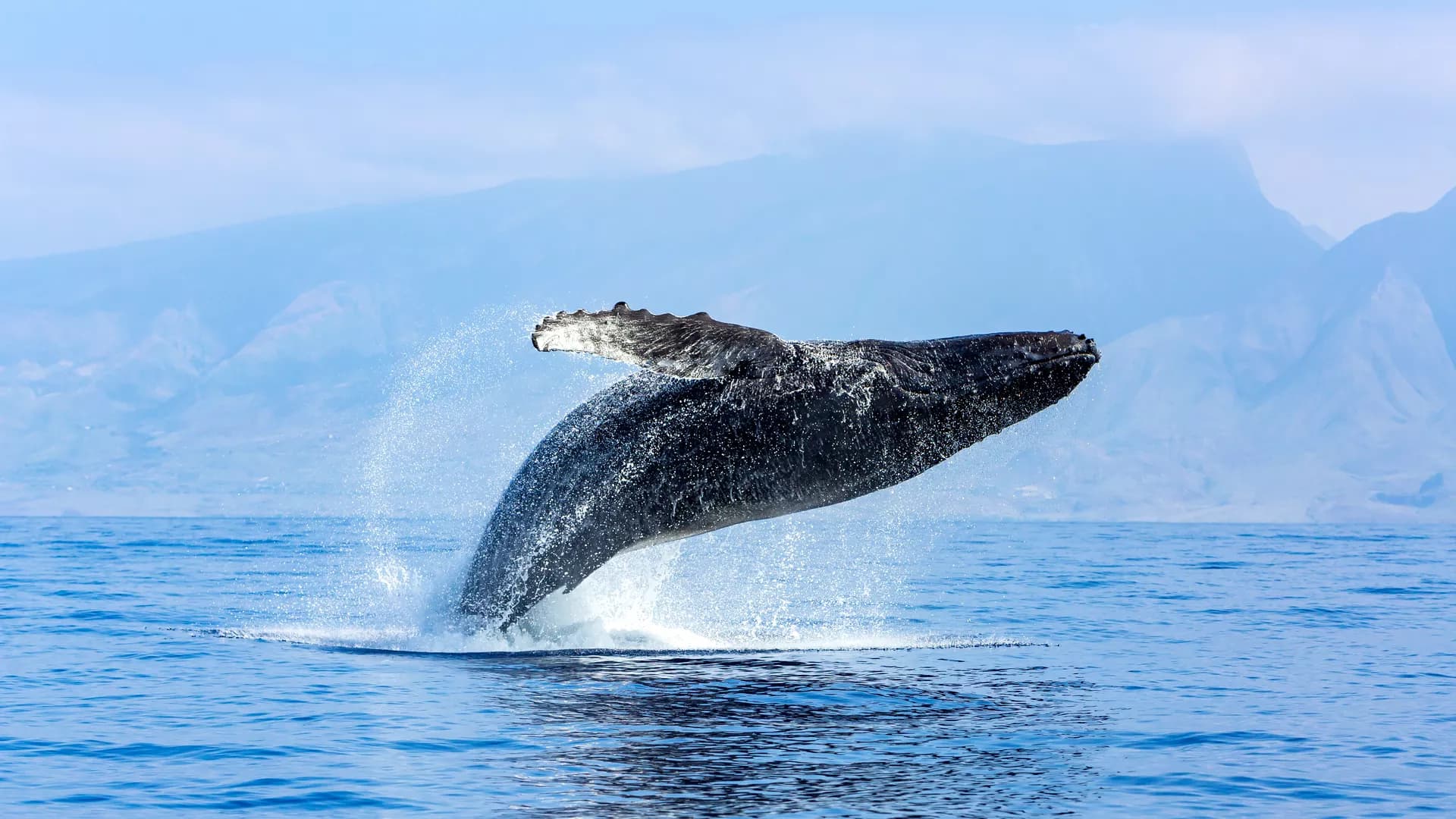
The bluntnose sixgill shark (Hexanchus griseus) is a deep-water, globally distributed, but data-limited species due to its habitat use and cryptic nature. Its slow growth, long lifespan, and uncertain population status have prompted concern about its vulnerability and resulted in an IUCN Red List status of “Near Threatened.” A lack of information about critical habitat use throughout the species’ life cycle, such as breeding grounds, complicates direct management of the species. This study investigates the genetic diversity, population structure, relatedness, and reproductive behaviors of sixgill sharks in the Salish Sea, an inland fjord encompassing Washington State, USA and British Columbia Canada, one of the few known pupping and rearing grounds of the species globally. Using genomic sequencing of 274 tissue samples opportunistically collected over a 16-year timespan, we found no evidence of spatial or temporal genetic population structure within the Salish Sea and moderate levels of neutral genetic diversity. Multiple paternity in two litters confirmed polyandrous mating, a strategy that may enhance genetic diversity. Relatedness analyses revealed philopatry, with close relatives identified across disparate years, demonstrating that mature females or their relatives return to this nursery ground over time for pupping. These findings provide new insights into the life history of the sixgill shark and emphasize the critical role of nursery habitats, such as the Salish Sea, in their reproductive success, underscoring the need for targeted conservation efforts to protect these sharks and their known critical habitats.
Want to read more?
Check out the full article on the original site
Tagged with
#marine life databases
#ocean data
#data visualization
#bluntnose sixgill shark
#Hexanchus griseus
#genetic diversity
#population structure
#Salish Sea
#relatedness
#philopatry
#reproductive behaviors
#critical habitat
#pupping grounds
#IUCN Red List
#habitat use
#genomic sequencing
#nursery habitats
#multiple paternity
#polyandrous mating
#targeted conservation