2028
Beyond Market Intelligence keeps 2028 in one place: 5 stories so far. The section currently leads with “A $225M push to make fusion plants more powerful with new semiconductors”, “GM's new compute system aims to close the gap with EV rivals by 2028”, and “The Hidden Cost of AI: Why Your Software Bill Is Spinning Out of Control”. Helion just secured another $225 million to push its first fusion power plant toward a 2028 delivery date for Microsoft. GM's fourth-generation EV platform arrives in 2028 with a new central computer and electrical architecture, debuting in the Cadillac Escalade IQ. Acme AI is the next-generation, AI-powered spreadsheet platform built to replace Excel and redefine how analysts, data scientists, and enterprise teams work… The list below is every 2028 story on Beyond Market Intelligence, newest first.

A $225M push to make fusion plants more powerful with new semiconductors
Helion just secured another $225 million to push its first fusion power plant toward a 2028 delivery date for Microsoft. The new funding targets advanced semiconductors designed to make fusion systems more powerful. That is a serious bet on practical energy. For context on how AI is reshaping infrastructure across industries, see our coverage of Blacksmith's $66M round for AI code-building tools.

GM's new compute system aims to close the gap with EV rivals by 2028
GM's fourth-generation EV platform arrives in 2028 with a new central computer and electrical architecture, debuting in the Cadillac Escalade IQ. It's a direct bid to close the gap with Tesla, Rivian, and Chinese automakers. Legacy hardware has held automakers back for too long. GM is finally treating the vehicle's brain as seriously as its battery. For a glimpse at how AI is reshaping other industries, see how over 10 million users are using AI to transform shopping and productivity.

The Hidden Cost of AI: Why Your Software Bill Is Spinning Out of Control
Erik Peterson has a number for you: AI spending is already eclipsing cloud bills, and the gap is only widening. He calls it a software engineering cost crisis driven by tokenmaxxing and unit economics that force developers into unwanted promotions. His prediction that fully autonomous AI will write, deploy, and govern code by 2028 reframes the entire conversation. For a deeper look at where agentic systems are heading, our coverage of the Hermes Agent developer's $90M raise offers a practical counterpart.
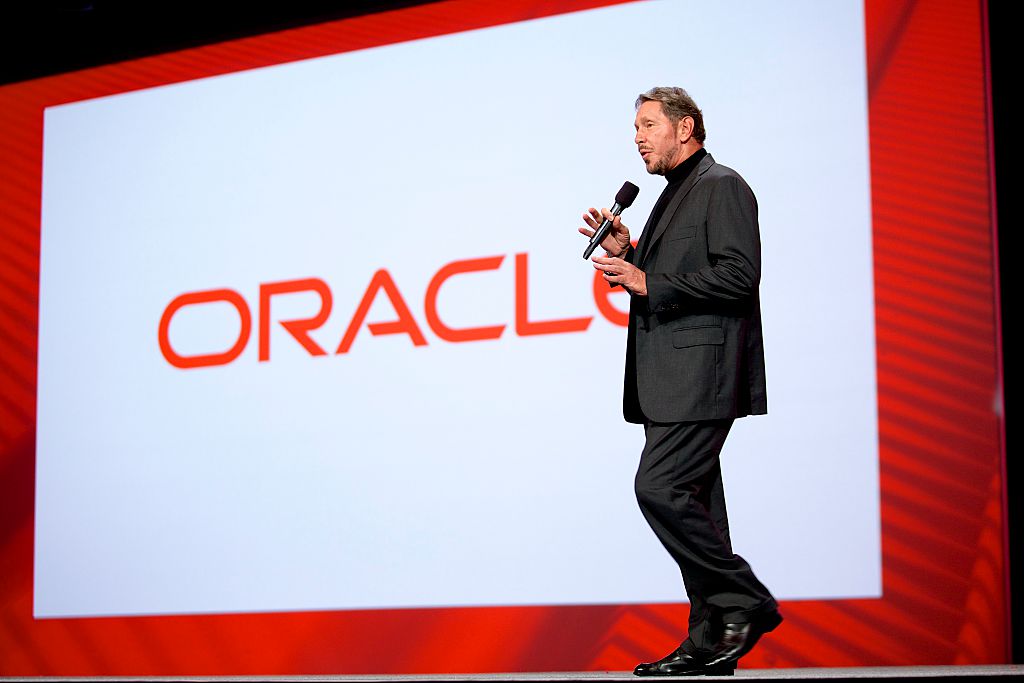
Oracle Updates New Mexico Data Center Timeline, Payment Terms
Oracle's revised New Mexico data center timeline comes with a practical safeguard: if the facility misses its 2028 target, Oracle can delay payments. That's a reasonable hedge, not a concession. It keeps the project accountable while giving Oracle room to navigate construction realities. For anyone watching AI infrastructure buildouts, this is the kind of clarity that builds trust. If you're tracking similar momentum, our piece on Nscale's $3.36B raise shows how capital is flowing into this space.

AI demand tightens memory supply, raising device costs through 2028
Samsung's own forecast points to a memory shortage that tightens through 2027 and stretches into 2028. That is not a blip; it is the shape of AI data center demand colliding with constrained supply, and it will push component costs upward. For anyone tracking how these pressures ripple into retail device prices, this is the story to watch. It also echoes themes we explored in "Navigating AI/ML Job Requirements: A Shift in Expected Skills," where AI's appetite reshapes more than just hardware.