accountability
Beyond Market Intelligence keeps accountability in one place: 10 stories so far. The section currently leads with “Understanding technical roots to prevent AI safety failures”, “Anthropic opens its AI model to outside safety scrutiny for the first time”, and “The push for AI regulation finds an unlikely benchmark in household appliances”. Safety failures in AI often look like human error, but the real culprit is usually hiding in the technical architecture. Anthropic has handed outside researchers the keys to its own safety review process, and it can't take them back. Acme AI is the next-generation, AI-powered spreadsheet platform built to replace Excel and redefine how analysts, data scientists, and enterprise teams work… The list below is every accountability story on Beyond Market Intelligence, newest first.
Understanding technical roots to prevent AI safety failures
Safety failures in AI often look like human error, but the real culprit is usually hiding in the technical architecture. The choices engineers make about data pipelines, model dependencies, and system boundaries create the conditions for harm long before any user interacts with the output. Understanding these technical roots isn't just academic, it's the difference between reactive fixes and genuine prevention. Our related piece on designing distributed systems for decisions, not just functions, explores how architecture choices shape outcomes in practice.

Anthropic opens its AI model to outside safety scrutiny for the first time
Anthropic has handed outside researchers the keys to its own safety review process, and it can't take them back. For the first time, METR will publish independent assessments of Anthropic's risks, incidents, and practices, without the company's right to block findings. That is a meaningful surrender of control, and it deserves attention. Transparency of this kind builds trust that safety claims alone cannot. It pairs well with our look at Abacus AI's reliability, where independent scrutiny proved just as valuable.
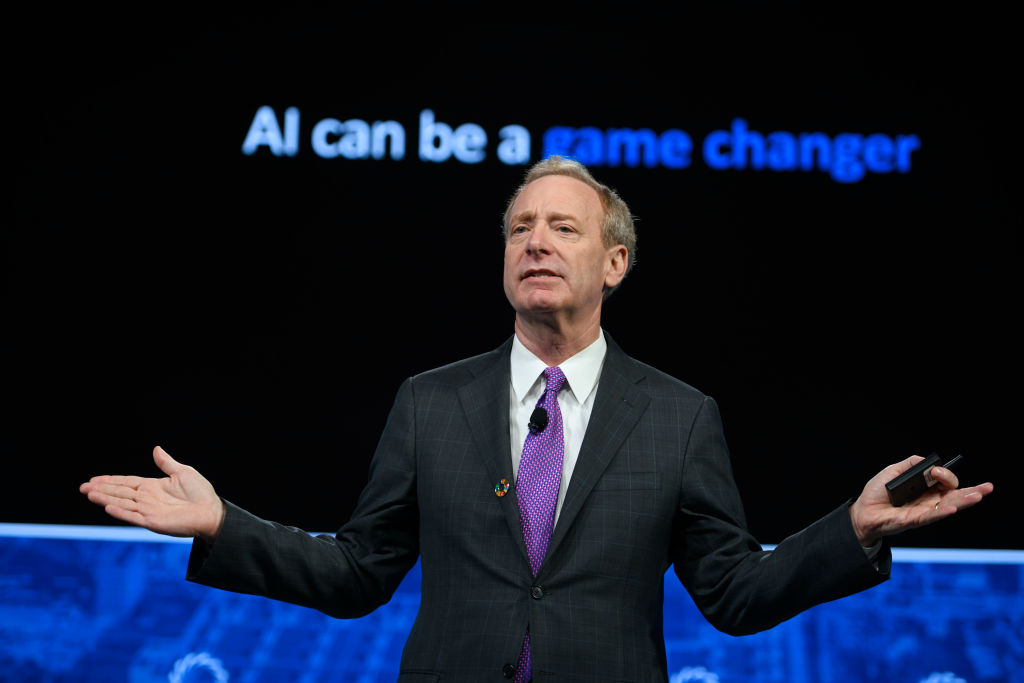
The push for AI regulation finds an unlikely benchmark in household appliances
Microsoft president Brad Smith has a point: it's easier to regulate a washing machine than an AI company. That's a strange reality check. If we can require safety standards for a milk carton, we can demand more from technologies that shape how we work and live. It's time to explore smarter oversight. For a contrasting look at AI's potential, see how it's empowering developers to rebuild familiar software from scratch.
When AI Models Speak Above Their Users, Clarity Pays the Price
When AI models start speaking above their users, clarity pays the price. A recent user report captures something many of us have noticed: newer models from OpenAI and Anthropic lean on unnecessarily complex terms, even during implementation. Confronted, the model admitted this foggy wording makes mistakes harder to catch and accountability easier to avoid. It's a subtle shift toward consulting-speak, not innovation. Our piece on "How Spec Design Shapes AI Performance Across 65 Open Source Projects" explores related territory, how structure influences model behavior.

How human-led teams can thrive with AI agents as collaborators
The next teammate on your startup's roster might not be human. At TechCrunch Disrupt 2026, Gusto, Insight Partners, and Leland will break down how early-stage companies are building teams where humans and AI agents work side by side. The focus is practical: how do you do it without losing speed, accountability, or culture? That's the right question to ask. For more context on who else is shaping the conversation, check out our piece on Mark Wahlberg joining Disrupt to talk investing.

Own Your Decisions: Auditable AI with DMN and Agent Skills
Enterprise AI has a trust problem. When models return different answers to the same question, high-stakes decisions become risky. Alex Porcelli tackles this head-on in his presentation, showing how DMN decision models bring determinism back into agentic architectures. By pairing them with LLMs and NeMo guardrails, he gives business leaders ownership of decision logic while engineers keep governance intact. It's a practical path to accountability, not just another framework.

OpenAI faces fresh lawsuits linking platform use to real-world harm
OpenAI is facing 30 new lawsuits tied to the Tumbler Ridge shooting, with Edelson PC escalating claims to aiding and abetting and naming Chris Lehane. The evidence remains unconfirmed, which makes this a story worth watching closely. Legal pressure on AI developers is intensifying, and accountability is the real issue here. For more on how AI systems can behave unpredictably, our piece on AI agents sharing user images offers useful context. This is about responsibility, not just regulation.
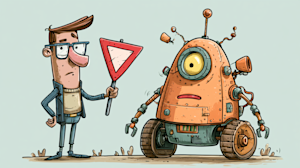
Empowering AI agents means knowing when to limit their autonomy.
The race to deploy the most autonomous agent is over. Enterprises winning with AI agents are now limiting how much those agents can do alone, because full autonomy breaks down in production. The companies that benefit won't be the ones with the most flexibility, but the ones creating agents with specific responsibilities and clear rules. Capability is outrunning control, and the 2026-to-2027 race is a trust race. For more on building these systems, explore our piece on orchestrating AI agents.
AI Submissions Surge Past 32,000, Pressing for Review Accountability
The submission count at AAAI has climbed past 32,000, with just a day left before the deadline. That number alone signals how intense the field has become. But what stands out more is the growing call for transparency. If papers are withdrawn or rejected, making reviews and reviewer names public could foster real accountability. It is a reasonable ask, one that pushes conferences to evolve beyond closed-door decisions. As submissions surge, the need for honest feedback loops becomes harder to ignore.

Why Falling AI Confidence Signals Smarter Strategy Ahead
A 17-point drop in AI confidence sounds like bad news. It's actually the healthiest number in the report. When 40% of IT leaders claimed maturity six months ago, that was aspiration. The 23% who now admit production is harder than pilots are the ones doing the real work. They aren't retreating; they're recalibrating. That honesty builds the foundation for lasting adoption.